
- Physical Examination
- Surgical Examination
- Ophthalmology
- Clinical Skills
- Orthopedics
- Surgery Videos
- Laparoscopy
- Pediatrics
- Funny Videos
- Cardiothoracic Surgery
- Nursing Videos
- Plastic Surgery
- Otorhinolaryngology
- Histology and Histopathology
- Neurosurgery
- Dermatology
- Pediatric Surgery
- Urology
- Dentistry
- Oncology and Cancers
- Anatomy Videos
- Health and Fitness
- Radiology
- Anaesthesia
- Physical Therapy
- Pharmacology
- Interventional Radiology
- Cardiology
- Endocrinology
- Gynecology
- Emergency Medicine
- Psychiatry and Psychology
- Childbirth Videos
- General Medical Videos
- Nephrology
- Physiology
- Diet and Food Health
- Diabetes Mellitus
- Neurology
- Women Health
- Osteoporosis
- Gastroenterology
- Pulmonology
- Hematology
- Rheumatology
- Toxicology
- Nuclear Medicine
- Infectious Diseases
- Vascular Disease
- Reproductive Health
- Burns and Wound Healing
- Kidney Zone Podcast
- Other
Healthy Diet & Physical Activity Counseling
Prevention is not always a test. For adults with cardiovascular risk factors, the USPSTF recommends behavioral counseling to promote a healthy diet and physical activity (grade B).
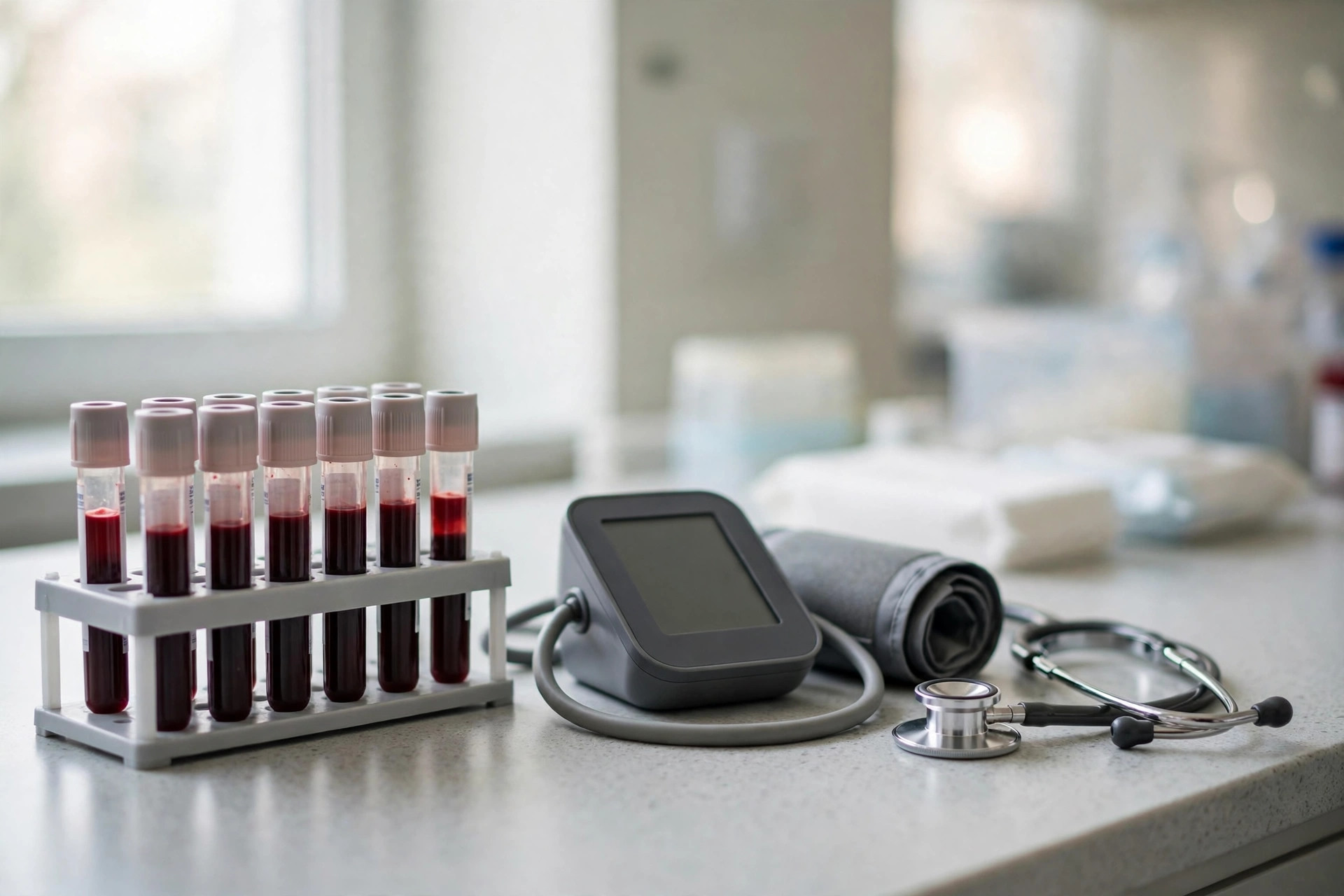
This 'screening' topic is really an intervention: structured help to change the two habits with the largest effect on heart health — what you eat and how much you move. The USPSTF recommends behavioral counseling interventions to promote a healthy diet and physical activity for cardiovascular disease prevention in adults who already have risk factors (grade B).
It is aimed at people whose risk is already raised — for example by high blood pressure, abnormal cholesterol, prediabetes or diabetes, smoking, or excess weight — because that is where the evidence of benefit is strongest.
What this screening checks
- There is no single test here. The starting point is an assessment of your risk factors, current diet and activity levels, and readiness to change.
- Programmes typically set concrete, personal goals — around food patterns, activity minutes, weight and habits — and review them over repeated contacts.
Who should have it, and how often
Adults with known cardiovascular risk factors: hypertension, abnormal cholesterol (dyslipidemia), prediabetes or diabetes, smoking, or overweight and obesity.
If you have no risk factors, the same habits still protect your health, but intensive counseling programmes are prioritised for people whose risk is already raised — ask your clinician what local support exists.
What happens during the test
- An initial conversation maps your current eating and activity patterns and your risk factors.
- You agree specific, achievable goals with a clinician, dietitian or trained counselor — for example changes to meals, steps, or structured activity sessions.
- Follow-up contacts over the following months review progress, troubleshoot obstacles, and adjust the goals. Group programmes and digital programmes are both used.
How to prepare
- Keep an honest food and activity diary for a few days before your first session if you can — patterns are easier to change when you can see them.
- Think about your real constraints: time, budget, cooking facilities, joint problems. Good programmes are built around your life, not against it.
- Bring your numbers if you know them — blood pressure, cholesterol, blood sugar — so goals can be tied to them.
What the results mean
Success is measured in your risk factors over time: blood pressure, cholesterol, blood sugar, weight and fitness — not in a single pass/fail result.
Even modest, sustained changes in diet and activity lower cardiovascular risk; the programmes exist because willpower alone, without structure and follow-up, rarely sustains them.
Benefits
- Improves the root drivers of heart disease and stroke rather than only treating their consequences.
- Benefits spill over: better sleep, mood, blood sugar control and joint health.
- No medication side effects; the 'treatment' is support, structure and follow-up.
Limits and possible harms
- Programmes take time and repeated attendance, which can be a barrier.
- Poorly designed advice can feel like blame; a good programme focuses on environment and habits, not fault.
- Counseling is an addition to — not a replacement for — medicines you need for blood pressure, cholesterol or diabetes.
Useful links and tools
More in Heart & Metabolic Health
- Blood Pressure Screening
- Cholesterol Testing & Statin Decisions
- Prediabetes & Type 2 Diabetes Screening
- Abdominal Aortic Aneurysm (AAA) Screening
Frequently asked questions
Who is this counseling actually for?
The USPSTF recommendation (grade B, 2020) covers adults who have cardiovascular risk factors — such as high blood pressure, abnormal cholesterol, prediabetes or diabetes, smoking, or excess weight. In that group, structured behavioral counseling to improve diet and physical activity has good evidence of benefit.
Is this just being told to eat less and move more?
No — the interventions the evidence supports are structured programmes: an assessment, personal goal-setting, practical skills (meal planning, label reading, building activity into the day), and repeated follow-up contacts over months. A one-off piece of advice is not what was studied.
This guide explains how a screening test usually works and who it is generally offered to. It is general educational information only — not medical advice, and not a recommendation for you personally. Screening decisions depend on your age, history and risk, so talk to your own clinician about which tests you need and when. If you have symptoms now, do not wait for a screening test — seek medical care promptly.