
- Physical Examination
- Surgical Examination
- Ophthalmology
- Clinical Skills
- Orthopedics
- Surgery Videos
- Laparoscopy
- Pediatrics
- Funny Videos
- Cardiothoracic Surgery
- Nursing Videos
- Plastic Surgery
- Otorhinolaryngology
- Histology and Histopathology
- Neurosurgery
- Dermatology
- Pediatric Surgery
- Urology
- Dentistry
- Oncology and Cancers
- Anatomy Videos
- Health and Fitness
- Radiology
- Anaesthesia
- Physical Therapy
- Pharmacology
- Interventional Radiology
- Cardiology
- Endocrinology
- Gynecology
- Emergency Medicine
- Psychiatry and Psychology
- Childbirth Videos
- General Medical Videos
- Nephrology
- Physiology
- Diet and Food Health
- Diabetes Mellitus
- Neurology
- Women Health
- Osteoporosis
- Gastroenterology
- Pulmonology
- Hematology
- Rheumatology
- Toxicology
- Nuclear Medicine
- Infectious Diseases
- Vascular Disease
- Reproductive Health
- Burns and Wound Healing
- Kidney Zone Podcast
- Other
Blood Pressure Screening
High blood pressure has no symptoms, so screening is how it is found. The USPSTF recommends screening all adults 18 and over (grade A) — every year from age 40, and every 3 to 5 years for younger adults at low risk.
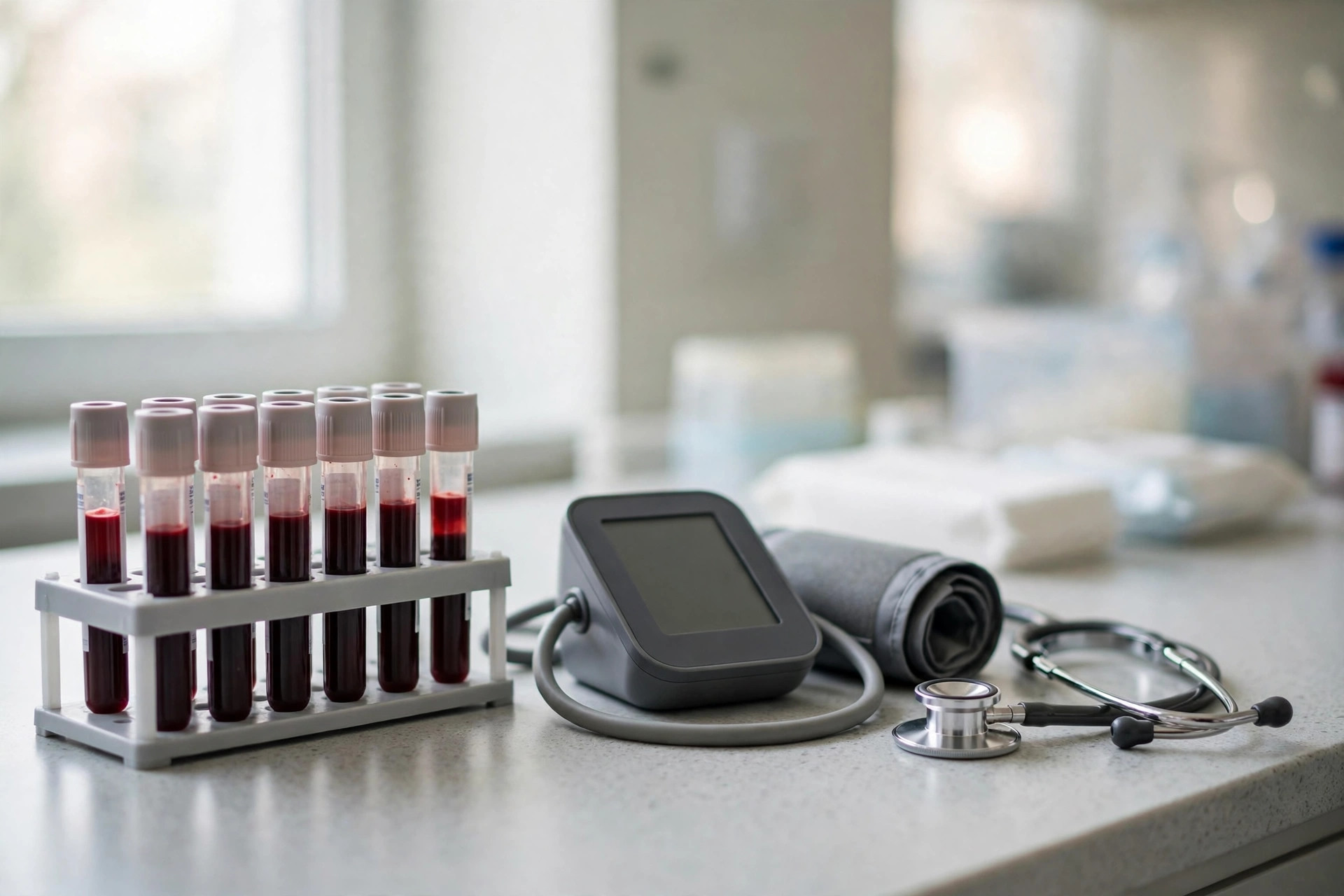
High blood pressure (hypertension) is one of the biggest risk factors for heart attacks, strokes, heart failure and kidney disease — and it almost never causes symptoms. Screening is simply having your blood pressure measured properly, on a schedule, so a rising trend is caught early.
The USPSTF recommends screening all adults aged 18 and older (grade A). One detail matters: a diagnosis should never rest on office readings alone. The Task Force recommends confirming a high office result with measurements taken outside the clinic — at home, or with a 24-hour monitor — before treatment starts.
What this screening checks
- The pressure of blood against your artery walls, given as two numbers: systolic (when the heart beats) over diastolic (when it rests).
- Whether your pressure is persistently raised over time — a pattern, not a single reading. Guidelines differ slightly on the exact threshold: the definitions organisations use range from 130/80 mm Hg to 140/90 mm Hg and above.
Who should have it, and how often
All adults aged 18 and over who do not already have diagnosed hypertension.
Every year: adults aged 40 and over, and younger adults at increased risk — including people with high-normal blood pressure, people who are overweight or obese, and Black adults, who have higher rates of hypertension.
Every 3 to 5 years is appropriate for adults aged 18 to 39 who are not at increased risk and whose previous reading was normal.
Risk also rises with older age, a family history, a diet high in salt and low in potassium, inactivity, tobacco use and excess alcohol.
What happens during the test
- You sit quietly for 5 minutes of rest, with your arm supported at heart level.
- A cuff of the right size is wrapped around your upper arm (the brachial artery) and inflated; a manual or automatic device records the two numbers as the cuff deflates.
- If the office reading is high, the diagnosis is confirmed outside the clinic before any treatment: either ambulatory monitoring (a portable device that measures automatically every 20 to 30 minutes over 12 to 24 hours, including during sleep) or home monitoring with a validated device over several days.
How to prepare
- Avoid caffeine, smoking and vigorous exercise shortly before a measurement, and empty your bladder first.
- Sit with your back supported and feet flat; do not talk during the reading.
- For home monitoring, use a validated upper-arm device with the correct cuff size, and follow the schedule your clinician gives you rather than taking constant readings.
What the results mean
A normal reading means you simply continue screening at your interval. A single high reading is not a diagnosis — it is a trigger for proper confirmation.
Home and 24-hour readings sometimes show that office readings were misleadingly high ('white coat' effect) or, occasionally, that pressure is high outside the clinic even when office readings look fine. Confirmation protects you from both errors.
If hypertension is confirmed, your clinician will discuss treatment — lifestyle changes, medication, or both — based on how high the pressure is and your overall risk.
Benefits
- Finding hypertension early allows treatment that is proven to prevent strokes, heart failure and heart attacks.
- The test is quick, painless and needs no preparation beyond sitting quietly.
- Out-of-office confirmation means fewer people are treated for a problem they do not have.
Limits and possible harms
- A single rushed or wrongly-sized-cuff reading can be misleading — which is why confirmation is built into the recommendation.
- Being labelled with hypertension can cause anxiety, and treatment started on a false reading would expose you to side effects without benefit.
- Home monitoring done obsessively can fuel anxiety; follow an agreed schedule.
Watch: related videos
Useful links and tools
More in Heart & Metabolic Health
- Cholesterol Testing & Statin Decisions
- Prediabetes & Type 2 Diabetes Screening
- Abdominal Aortic Aneurysm (AAA) Screening
- Healthy Diet & Physical Activity Counseling
Frequently asked questions
How often should my blood pressure be checked?
The USPSTF suggests every year for adults 40 and over and for younger adults at increased risk, and every 3 to 5 years for adults aged 18 to 39 who are not at increased risk and had a normal previous reading. If you are ever at a clinic for another reason, an extra reading does no harm.
My reading was high at the clinic but normal at home. Which is right?
This is common and has a name — the white coat effect. The USPSTF recommends confirming a high office reading with measurements outside the clinic (home monitoring or a 24-hour ambulatory monitor) before treatment starts, precisely because the out-of-office pattern is the more reliable guide.
This guide explains how a screening test usually works and who it is generally offered to. It is general educational information only — not medical advice, and not a recommendation for you personally. Screening decisions depend on your age, history and risk, so talk to your own clinician about which tests you need and when. If you have symptoms now, do not wait for a screening test — seek medical care promptly.