
- Physical Examination
- Surgical Examination
- Ophthalmology
- Clinical Skills
- Orthopedics
- Surgery Videos
- Laparoscopy
- Pediatrics
- Funny Videos
- Cardiothoracic Surgery
- Nursing Videos
- Plastic Surgery
- Otorhinolaryngology
- Histology and Histopathology
- Neurosurgery
- Dermatology
- Pediatric Surgery
- Urology
- Dentistry
- Oncology and Cancers
- Anatomy Videos
- Health and Fitness
- Radiology
- Anaesthesia
- Physical Therapy
- Pharmacology
- Interventional Radiology
- Cardiology
- Endocrinology
- Gynecology
- Emergency Medicine
- Psychiatry and Psychology
- Childbirth Videos
- General Medical Videos
- Nephrology
- Physiology
- Diet and Food Health
- Diabetes Mellitus
- Neurology
- Women Health
- Osteoporosis
- Gastroenterology
- Pulmonology
- Hematology
- Rheumatology
- Toxicology
- Nuclear Medicine
- Infectious Diseases
- Vascular Disease
- Reproductive Health
- Burns and Wound Healing
- Kidney Zone Podcast
- Other
Appendicectomy (appendix removal): What to Expect & Recovery
Removing the appendix is one of the most common emergency operations, usually done as keyhole surgery. Most people are home within a day or two and feel close to normal within a couple of weeks, though a burst appendix makes for a slower road.
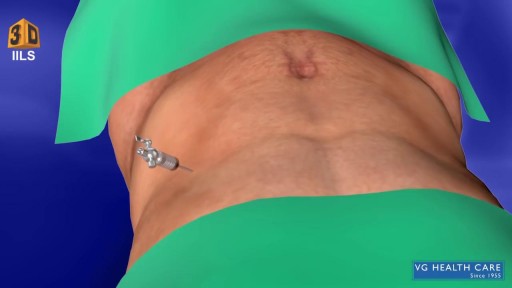
Before surgery: how to prepare
- Appendicitis is usually an emergency, so preparation is compressed: blood tests, scans and antibiotics often happen within hours of arrival.
- Tell the team about all medicines you take, allergies, and when you last ate or drank — you will be asked not to eat or drink before the anaesthetic.
- Arrange for someone to take you home and stay with you for the first night; you cannot drive after a general anaesthetic.
- Pack light: loose clothing that does not press on your tummy, phone charger, and any regular medicines in their original boxes.
The day of surgery
You will have a general anaesthetic, so you are asleep throughout. Through small keyhole cuts (or occasionally one larger cut), the surgeon removes the appendix and washes out the area if it had burst. Afterwards you wake in a recovery area with a drip, pain relief and checks of your pulse and blood pressure before going to the ward.
In hospital
Recovery timeline
Every recovery is individual, but most follow this general arc:
Warning signs: when to get help
- Fever, chills or feeling generally worse rather than better
- Increasing tummy pain, swelling or a tummy that becomes hard and bloated
- Wounds becoming red, hot, swollen or leaking fluid
- Vomiting, or being unable to keep fluids down
- Pain or swelling in the calf, or new breathlessness or chest pain
Related topics
Watch: real operation videos
From the MedicalVideos library. Some surgical videos are graphic and intended for education.
Frequently asked questions
Can I eat normally after my appendix is removed?
Yes — there is no lasting diet restriction after appendicectomy. Start with light meals while your bowel recovers, drink plenty of fluids, and eat more normally as your appetite returns over the first week or two.
What if my appendix had burst?
Recovery is slower and more complicated: a longer hospital stay, a course of antibiotics, and sometimes a drain or a later procedure for an abscess. Your team will explain what was found and what follow-up you need.
Medically reviewed by Dr. Mohamed Ibrahim, Assistant Professor of Medicine, Transplant Nephrology, University of Maryland School of Medicine. Last reviewed: 12 November 2026.
← More Abdominal & Digestive Surgery · All surgery recovery guides