
- Physical Examination
- Surgical Examination
- Ophthalmology
- Clinical Skills
- Orthopedics
- Surgery Videos
- Laparoscopy
- Pediatrics
- Funny Videos
- Cardiothoracic Surgery
- Nursing Videos
- Plastic Surgery
- Otorhinolaryngology
- Histology and Histopathology
- Neurosurgery
- Dermatology
- Pediatric Surgery
- Urology
- Dentistry
- Oncology and Cancers
- Anatomy Videos
- Health and Fitness
- Radiology
- Anaesthesia
- Physical Therapy
- Pharmacology
- Interventional Radiology
- Cardiology
- Endocrinology
- Gynecology
- Emergency Medicine
- Psychiatry and Psychology
- Childbirth Videos
- General Medical Videos
- Nephrology
- Physiology
- Diet and Food Health
- Diabetes Mellitus
- Neurology
- Women Health
- Osteoporosis
- Gastroenterology
- Pulmonology
- Hematology
- Rheumatology
- Toxicology
- Nuclear Medicine
- Infectious Diseases
- Vascular Disease
- Reproductive Health
- Burns and Wound Healing
- Kidney Zone Podcast
- Other
Appendicectomy (appendix removal)
Category: General & Abdominal Surgery · All general & abdominal surgery
What it is
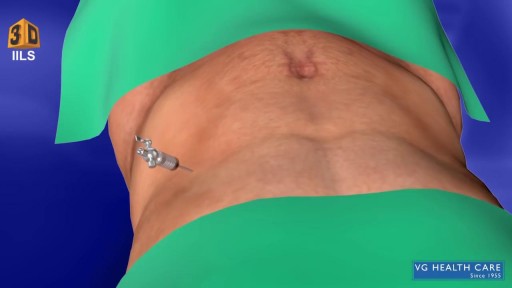
An appendicectomy is an operation to remove the appendix, usually because it is inflamed (appendicitis). It is most often done as keyhole (laparoscopic) surgery through three small cuts, sometimes as open surgery through a larger cut.
Why it is done
It is the standard treatment for appendicitis, preventing the appendix from bursting and causing widespread infection (peritonitis). In selected uncomplicated cases antibiotics alone are sometimes discussed, but surgery remains the usual recommendation.
How to prepare
Appendicitis is usually an emergency, so preparation is rapid: blood tests, scans or ultrasound to confirm the diagnosis, fluids and antibiotics through a drip, and fasting once surgery is planned.
What happens during the procedure
Under general anaesthetic, the surgeon removes the appendix and washes out the area if there has been infection. Keyhole surgery usually takes 30 to 60 minutes. The appendix is sent to the laboratory for confirmation.
Afterwards — recovery & results
Most people stay one to two nights after uncomplicated keyhole surgery (longer if the appendix had burst) and recover over one to two weeks, returning to work or school as advised. Wounds are small; you will be told how to care for them and what warning signs to watch for.
Risks & considerations
Risks include bleeding, wound or internal infection (including an abscess after a burst appendix), injury to nearby structures, blood clots and anaesthetic risks. Your surgical team will explain your individual picture.
Watch: Appendicectomy (appendix removal) videos
Real procedure videos from the MedicalVideos.com library. Some clinical footage is graphic — that is the nature of a medical video library.
Related guides on MedicalVideos.com
Frequently asked questions
Will I be ill without my appendix?
No. The appendix has no essential known function in adults, and its removal does not affect digestion or immunity in any noticeable way.
Why keyhole surgery?
Smaller cuts usually mean less pain, a shorter stay and quicker recovery than open surgery, and the camera also lets the surgeon inspect the rest of the abdomen.
Related procedures — General & Abdominal Surgery
Browse the A section of the A–Z list or return to the Procedures & Tests hub.