
- Physical Examination
- Surgical Examination
- Ophthalmology
- Clinical Skills
- Orthopedics
- Surgery Videos
- Laparoscopy
- Pediatrics
- Funny Videos
- Cardiothoracic Surgery
- Nursing Videos
- Plastic Surgery
- Otorhinolaryngology
- Histology and Histopathology
- Neurosurgery
- Dermatology
- Pediatric Surgery
- Urology
- Dentistry
- Oncology and Cancers
- Anatomy Videos
- Health and Fitness
- Radiology
- Anaesthesia
- Physical Therapy
- Pharmacology
- Interventional Radiology
- Cardiology
- Endocrinology
- Gynecology
- Emergency Medicine
- Psychiatry and Psychology
- Childbirth Videos
- General Medical Videos
- Nephrology
- Physiology
- Diet and Food Health
- Diabetes Mellitus
- Neurology
- Women Health
- Osteoporosis
- Gastroenterology
- Pulmonology
- Hematology
- Rheumatology
- Toxicology
- Nuclear Medicine
- Infectious Diseases
- Vascular Disease
- Reproductive Health
- Burns and Wound Healing
- Kidney Zone Podcast
- Other
Cardioversion (DC shock treatment): What to Expect & Recovery
Cardioversion uses a controlled electric shock, under brief sedation, to reset a fast or irregular heartbeat such as atrial fibrillation. The procedure itself takes minutes and recovery is measured in hours — the important follow-through is blood-thinning treatment and rhythm follow-up.
Before surgery: how to prepare
- Blood thinners are the critical preparation: you will usually have taken anticoagulation for several weeks beforehand (or had a scan of the heart to exclude clot) — do not miss doses, and tell the team if you have.
- You will fast for several hours before the sedation; your letter gives times.
- Arrange an escort home and a quiet rest of the day — you must not drive for 24 hours.
- Bring your medicine list; rhythm medicines are usually continued unless the team says otherwise.
The day of surgery
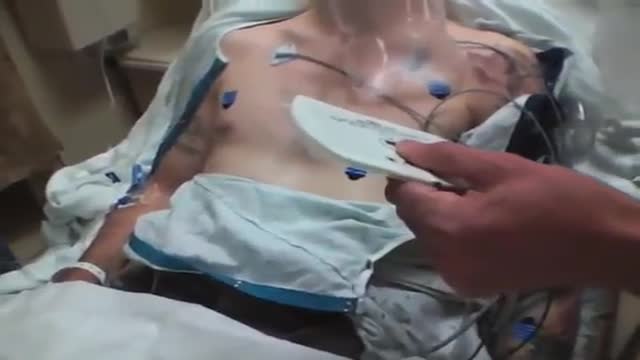
You are given a short-acting sedative or brief anaesthetic, sticky pads are placed on the chest, and a controlled shock is delivered in time with the heartbeat. It takes only a few minutes. You wake in recovery with monitoring of rhythm and blood pressure, and the chest skin may be mildly red or sore where the pads were.
In hospital
Recovery timeline
Every recovery is individual, but most follow this general arc:
Warning signs: when to get help
- Chest pain, severe breathlessness or fainting
- Stroke symptoms — face, arm or speech changes: emergency call
- A fast or irregular pulse with dizziness or chest discomfort
- Severe skin pain or blistering where the pads were
- Unusual bleeding or bruising on blood thinners
Related topics
Watch: real operation videos
From the MedicalVideos library. Some surgical videos are graphic and intended for education.
Frequently asked questions
Why do I need blood thinners if the shock worked?
Atrial fibrillation lets blood stagnate in the heart, where clots can form; the shock (and the heart's temporary 'stunning' afterwards) can dislodge one and cause a stroke. Anticoagulation before and for a period after cardioversion is what makes the procedure safe — never skip it.
What if my rhythm goes back into AF?
Recurrence is common over months and does not mean the cardioversion was pointless — how long the rhythm held is useful information. Your team may repeat it, adjust medicines, or discuss catheter ablation as a longer-term rhythm strategy.
Medically reviewed by Dr. Mohamed Ibrahim, Assistant Professor of Medicine, Transplant Nephrology, University of Maryland School of Medicine. Last reviewed: 12 November 2026.
← More Heart & Vascular Surgery · All surgery recovery guides