
- Physical Examination
- Surgical Examination
- Ophthalmology
- Clinical Skills
- Orthopedics
- Surgery Videos
- Laparoscopy
- Pediatrics
- Funny Videos
- Cardiothoracic Surgery
- Nursing Videos
- Plastic Surgery
- Otorhinolaryngology
- Histology and Histopathology
- Neurosurgery
- Dermatology
- Pediatric Surgery
- Urology
- Dentistry
- Oncology and Cancers
- Anatomy Videos
- Health and Fitness
- Radiology
- Anaesthesia
- Physical Therapy
- Pharmacology
- Interventional Radiology
- Cardiology
- Endocrinology
- Gynecology
- Emergency Medicine
- Psychiatry and Psychology
- Childbirth Videos
- General Medical Videos
- Nephrology
- Physiology
- Diet and Food Health
- Diabetes Mellitus
- Neurology
- Women Health
- Osteoporosis
- Gastroenterology
- Pulmonology
- Hematology
- Rheumatology
- Toxicology
- Nuclear Medicine
- Infectious Diseases
- Vascular Disease
- Reproductive Health
- Burns and Wound Healing
- Kidney Zone Podcast
- Other
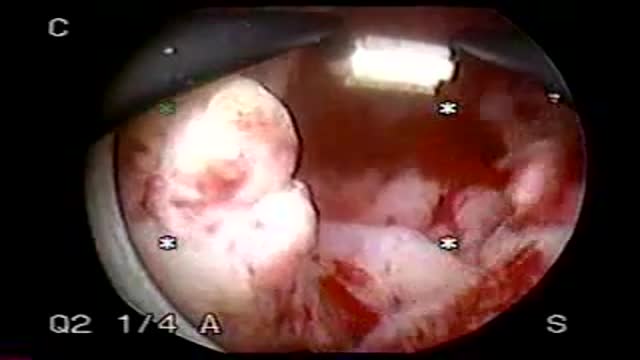
Endometrial ablation: What to Expect & Recovery
Endometrial ablation destroys the womb lining to treat heavy periods, using heat, freezing or other energy delivered through the cervix — no cuts. Most people go home the same day, with cramps for a day or two and a watery or bloody discharge for a few weeks while the lining heals.
Before surgery: how to prepare
- Pregnancy must be excluded — a test is routine — and ablation is only suitable if your family is complete: it is not a contraceptive procedure, and pregnancy afterwards can be dangerous (procedures dataset).
- You may be given medicine beforehand to thin the lining, improving results — follow the instructions exactly.
- Arrange an escort home and a quiet day or two; cramps afterwards can be strong for the first day.
- Ask what success looks like honestly: periods typically become much lighter or stop, but a proportion of women later need further treatment (procedures dataset).
The day of surgery
Under sedation or a general anaesthetic, a device is passed through the cervix and energy is applied to the womb lining for a few minutes. There are no incisions. You wake with period-like cramps, and go home once comfortable with painkillers and aftercare advice.
In hospital
Recovery timeline
Every recovery is individual, but most follow this general arc:
Warning signs: when to get help
- Fever, or worsening pelvic pain after the first couple of days
- Offensive-smelling discharge
- Heavy bleeding soaking pads quickly
- Severe cramps not eased by painkillers
- Feeling acutely unwell
Related topics
Watch: real operation videos
From the MedicalVideos library. Some surgical videos are graphic and intended for education.
Frequently asked questions
Will my periods definitely stop?
Not definitely. Periods typically become much lighter or stop over the following cycles, but results vary: some women have normal-light periods, and a proportion need further treatment or hysterectomy later if symptoms persist or return. Your clinician can give realistic figures for the technique used.
Can I stop contraception after ablation?
No. Ablation is not sterilisation — pregnancy remains possible and would be high-risk for mother and baby because the lining is scarred. Reliable contraception must continue until menopause unless you have another permanent method.
Medically reviewed by Dr. Mohamed Ibrahim, Assistant Professor of Medicine, Transplant Nephrology, University of Maryland School of Medicine. Last reviewed: 12 November 2026.