
- Physical Examination
- Surgical Examination
- Ophthalmology
- Clinical Skills
- Orthopedics
- Surgery Videos
- Laparoscopy
- Pediatrics
- Funny Videos
- Cardiothoracic Surgery
- Nursing Videos
- Plastic Surgery
- Otorhinolaryngology
- Histology and Histopathology
- Neurosurgery
- Dermatology
- Pediatric Surgery
- Urology
- Dentistry
- Oncology and Cancers
- Anatomy Videos
- Health and Fitness
- Radiology
- Anaesthesia
- Physical Therapy
- Pharmacology
- Interventional Radiology
- Cardiology
- Endocrinology
- Gynecology
- Emergency Medicine
- Psychiatry and Psychology
- Childbirth Videos
- General Medical Videos
- Nephrology
- Physiology
- Diet and Food Health
- Diabetes Mellitus
- Neurology
- Women Health
- Osteoporosis
- Gastroenterology
- Pulmonology
- Hematology
- Rheumatology
- Toxicology
- Nuclear Medicine
- Infectious Diseases
- Vascular Disease
- Reproductive Health
- Burns and Wound Healing
- Kidney Zone Podcast
- Other
Gallbladder removal (cholecystectomy): What to Expect & Recovery
Gallbladder removal is usually keyhole surgery, and most people are home the same day. The classic early complaints are shoulder-tip pain from the gas used in the operation and a few days of tummy soreness — both settle quickly.
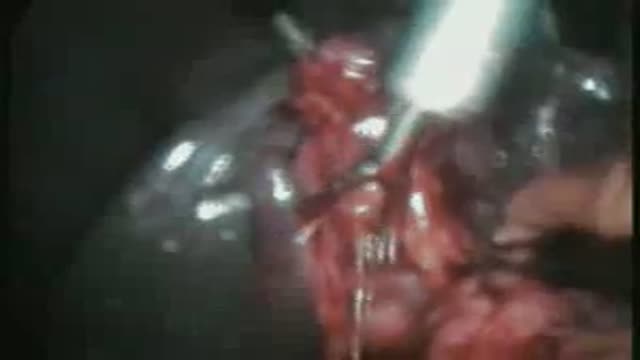
Before surgery: how to prepare
- Go through your medicines with the team — especially blood thinners, diabetes medicines and anything for blood pressure — and follow their instructions about what to take on the day.
- You will be asked to fast before the anaesthetic; your letter gives the exact times for food and clear fluids.
- Plan a quiet few days afterwards: arrange a lift home, someone at home for the first night, and easy meals in the fridge.
- Stop smoking if you can — even a few smoke-free weeks before surgery lowers the risk of chest and wound problems.
The day of surgery
Under a general anaesthetic, the surgeon removes the gallbladder through small keyhole cuts in the tummy. You wake in recovery with pain relief available — tell the nurses early if you are sore or feel sick, as both are easier to control early. Most people are up walking and drinking within a few hours.
In hospital
Recovery timeline
Every recovery is individual, but most follow this general arc:
Warning signs: when to get help
- Yellowing of the skin or eyes (jaundice), pale stools or dark urine
- Severe or worsening tummy pain, or pain spreading to the back
- Fever, shaking chills or feeling very unwell
- Fluid leaking from a wound, or a wound becoming red and hot
- Persistent vomiting or inability to keep fluids down
Related topics
Watch: real operation videos
From the MedicalVideos library. Some surgical videos are graphic and intended for education.
Frequently asked questions
Why does my shoulder hurt after gallbladder surgery?
The gas used to inflate the tummy during keyhole surgery irritates the diaphragm, which shares a nerve with the shoulder — so the pain is felt at the shoulder tip. It is common, harmless, and usually settles within a day or two; walking around helps.
Do I need a special diet without a gallbladder?
No special diet is required for most people. Bile still reaches your gut from the liver, just less concentrated. Some people find large fatty meals cause loose stools in the early weeks; smaller, lower-fat meals at first usually help.
Medically reviewed by Dr. Mohamed Ibrahim, Assistant Professor of Medicine, Transplant Nephrology, University of Maryland School of Medicine. Last reviewed: 12 November 2026.
← More Abdominal & Digestive Surgery · All surgery recovery guides