
- Physical Examination
- Surgical Examination
- Ophthalmology
- Clinical Skills
- Orthopedics
- Surgery Videos
- Laparoscopy
- Pediatrics
- Funny Videos
- Cardiothoracic Surgery
- Nursing Videos
- Plastic Surgery
- Otorhinolaryngology
- Histology and Histopathology
- Neurosurgery
- Dermatology
- Pediatric Surgery
- Urology
- Dentistry
- Oncology and Cancers
- Anatomy Videos
- Health and Fitness
- Radiology
- Anaesthesia
- Physical Therapy
- Pharmacology
- Interventional Radiology
- Cardiology
- Endocrinology
- Gynecology
- Emergency Medicine
- Psychiatry and Psychology
- Childbirth Videos
- General Medical Videos
- Nephrology
- Physiology
- Diet and Food Health
- Diabetes Mellitus
- Neurology
- Women Health
- Osteoporosis
- Gastroenterology
- Pulmonology
- Hematology
- Rheumatology
- Toxicology
- Nuclear Medicine
- Infectious Diseases
- Vascular Disease
- Reproductive Health
- Burns and Wound Healing
- Kidney Zone Podcast
- Other
Gallbladder removal (cholecystectomy)
Category: General & Abdominal Surgery · All general & abdominal surgery
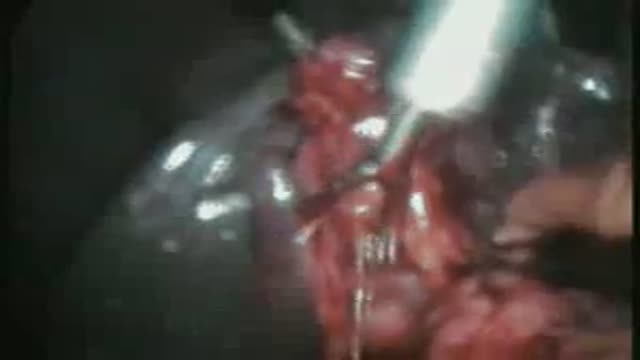
What it is
Cholecystectomy is removal of the gallbladder, usually by keyhole (laparoscopic) surgery through four small cuts. The gallbladder stores bile; after removal, bile flows directly from the liver into the bowel.
Why it is done
It is the standard treatment for gallstones that cause pain attacks, inflammation of the gallbladder, or complications such as bile duct stones or pancreatitis.
How to prepare
You will have blood tests and usually an ultrasound beforehand, a pre-operative assessment, and fast before surgery. Tell the team about blood thinners and any previous abdominal surgery.
What happens during the procedure
Under general anaesthetic, the abdomen is inflated with gas, the camera and instruments are inserted, and the gallbladder is freed from the liver and removed through one of the small cuts. It usually takes 45 to 90 minutes. Occasionally the operation is converted to open surgery for safety.
Afterwards — recovery & results
Many people go home the same or next day and recover over one to two weeks. Shoulder-tip pain from the gas is common for a day or two. Most people eat normally afterwards, though rich fatty meals may cause loose stools initially for some.
Risks & considerations
Risks include bleeding, infection, bile leak, injury to the bile duct (uncommon but serious, sometimes needing further procedures), retained stones, blood clots and anaesthetic risks. Your surgeon will discuss these with you.
Watch: Gallbladder removal (cholecystectomy) videos
Real procedure videos from the MedicalVideos.com library. Some clinical footage is graphic — that is the nature of a medical video library.
Related guides on MedicalVideos.com
Frequently asked questions
Can I live normally without a gallbladder?
Yes. The liver still makes bile; it simply drips continuously into the bowel instead of being stored. Most people digest normally after a settling-in period.
Why might keyhole surgery become open surgery?
If inflammation or scarring makes the anatomy unsafe to see clearly, the surgeon converts to an open operation to complete it safely. This happens in a small minority of cases.
Related procedures — General & Abdominal Surgery
Browse the G section of the A–Z list or return to the Procedures & Tests hub.