
- Physical Examination
- Surgical Examination
- Ophthalmology
- Clinical Skills
- Orthopedics
- Surgery Videos
- Laparoscopy
- Pediatrics
- Funny Videos
- Cardiothoracic Surgery
- Nursing Videos
- Plastic Surgery
- Otorhinolaryngology
- Histology and Histopathology
- Neurosurgery
- Dermatology
- Pediatric Surgery
- Urology
- Dentistry
- Oncology and Cancers
- Anatomy Videos
- Health and Fitness
- Radiology
- Anaesthesia
- Physical Therapy
- Pharmacology
- Interventional Radiology
- Cardiology
- Endocrinology
- Gynecology
- Emergency Medicine
- Psychiatry and Psychology
- Childbirth Videos
- General Medical Videos
- Nephrology
- Physiology
- Diet and Food Health
- Diabetes Mellitus
- Neurology
- Women Health
- Osteoporosis
- Gastroenterology
- Pulmonology
- Hematology
- Rheumatology
- Toxicology
- Nuclear Medicine
- Infectious Diseases
- Vascular Disease
- Reproductive Health
- Burns and Wound Healing
- Kidney Zone Podcast
- Other
Laparoscopy (diagnostic): What to Expect & Recovery
A diagnostic laparoscopy looks inside the tummy with a camera through small cuts — to investigate pain, fertility or other problems. It is day surgery for most people, with a few days of shoulder-tip pain and tiredness the main after-effects.
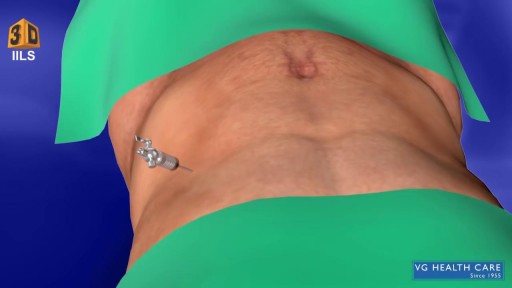
Before surgery: how to prepare
- Follow fasting instructions — even a 'look inside' needs a general anaesthetic on an empty stomach.
- Tell the team about all medicines and allergies; a pregnancy test is routine for women of childbearing age on the day.
- Arrange a lift home and an adult at home for the first 24 hours; you cannot drive after the anaesthetic.
- If the surgeon might proceed to treatment (for example removing endometriosis or an ovarian cyst) in the same session, make sure you have discussed and consented to that possibility.
The day of surgery
Under a general anaesthetic, gas inflates the tummy and a camera goes in through a small cut near the belly button, with one or two more small cuts for instruments. The surgeon inspects the organs, takes biopsies or photos if needed, and may treat minor findings. You wake with small dressings and usually simple painkillers are enough.
In hospital
Recovery timeline
Every recovery is individual, but most follow this general arc:
Warning signs: when to get help
- Worsening tummy pain after the first 24 to 48 hours, rather than improving pain
- Fever, or a wound becoming red, hot or leaking
- Vomiting repeatedly or a swelling, hard tummy
- Heavy vaginal bleeding, or shoulder pain with feeling faint
- Calf pain or swelling, chest pain or breathlessness
Related topics
Watch: real operation videos
From the MedicalVideos library. Some surgical videos are graphic and intended for education.
Frequently asked questions
Why does my shoulder hurt when the surgery was in my tummy?
The gas used to inflate the abdomen irritates the diaphragm, and the nerve serving the diaphragm also serves the shoulder — so the brain reads the signal as shoulder pain. It is harmless and fades over a couple of days; walking helps.
What if nothing is found?
A normal laparoscopy is still a useful result: it rules out several causes and guides the next steps. Your follow-up will explain what was seen, any biopsy results, and what happens next.
Medically reviewed by Dr. Mohamed Ibrahim, Assistant Professor of Medicine, Transplant Nephrology, University of Maryland School of Medicine. Last reviewed: 12 November 2026.
← More Abdominal & Digestive Surgery · All surgery recovery guides