
- Physical Examination
- Surgical Examination
- Ophthalmology
- Clinical Skills
- Orthopedics
- Surgery Videos
- Laparoscopy
- Pediatrics
- Funny Videos
- Cardiothoracic Surgery
- Nursing Videos
- Plastic Surgery
- Otorhinolaryngology
- Histology and Histopathology
- Neurosurgery
- Dermatology
- Pediatric Surgery
- Urology
- Dentistry
- Oncology and Cancers
- Anatomy Videos
- Health and Fitness
- Radiology
- Anaesthesia
- Physical Therapy
- Pharmacology
- Interventional Radiology
- Cardiology
- Endocrinology
- Gynecology
- Emergency Medicine
- Psychiatry and Psychology
- Childbirth Videos
- General Medical Videos
- Nephrology
- Physiology
- Diet and Food Health
- Diabetes Mellitus
- Neurology
- Women Health
- Osteoporosis
- Gastroenterology
- Pulmonology
- Hematology
- Rheumatology
- Toxicology
- Nuclear Medicine
- Infectious Diseases
- Vascular Disease
- Reproductive Health
- Burns and Wound Healing
- Kidney Zone Podcast
- Other
Laparoscopy (diagnostic)
Category: Endoscopy & Camera Tests · All endoscopy & camera tests
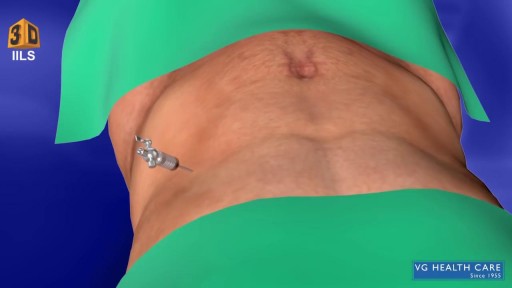
What it is
A diagnostic laparoscopy is a keyhole operation in which a camera is inserted through a small cut near the belly button to look directly at the organs inside the abdomen and pelvis. Many operations are also done this way (therapeutic laparoscopy).
Why it is done
It is used to investigate persistent abdominal or pelvic pain, suspected endometriosis, fertility problems and other conditions not explained by scans, and as the keyhole approach for many planned operations such as gallbladder removal.
How to prepare
You will have a pre-operative assessment, fast for several hours, and review medicines. You will be told about the possibility of converting to open surgery if needed for safety.
What happens during the procedure
Under general anaesthetic, the abdomen is gently inflated with gas, the camera is inserted, and other small instruments are added through further tiny cuts if required. Findings may be treated at the same time — for example endometriosis or adhesions. The cuts are closed with stitches or glue. It usually takes 30 to 60 minutes for diagnostic cases.
Afterwards — recovery & results
Most people go home the same day. Shoulder-tip pain from the gas, bloating and tiredness are common for a couple of days; simple painkillers usually suffice. You will be told when to resume driving and work, typically within a week for diagnostic procedures.
Risks & considerations
Risks include bleeding, infection, injury to bowel, bladder or blood vessels (occasionally requiring open surgery to repair), blood clots and anaesthetic risks. The surgeon discusses your individual risks beforehand.
Watch: Laparoscopy (diagnostic) videos
Real procedure videos from the MedicalVideos.com library. Some clinical footage is graphic — that is the nature of a medical video library.
Related guides on MedicalVideos.com
Frequently asked questions
Why does my shoulder hurt afterwards?
The gas used to inflate the abdomen irritates the diaphragm, which shares nerve supply with the shoulder — so the pain is felt there. It eases over a day or two as the gas absorbs.
Will I need open surgery instead?
Occasionally findings or safety concerns mean converting to open surgery during the operation. This is uncommon for diagnostic cases and is done for your safety, not as a failure.
Related procedures — Endoscopy & Camera Tests
Browse the L section of the A–Z list or return to the Procedures & Tests hub.