
- Physical Examination
- Surgical Examination
- Ophthalmology
- Clinical Skills
- Orthopedics
- Surgery Videos
- Laparoscopy
- Pediatrics
- Funny Videos
- Cardiothoracic Surgery
- Nursing Videos
- Plastic Surgery
- Otorhinolaryngology
- Histology and Histopathology
- Neurosurgery
- Dermatology
- Pediatric Surgery
- Urology
- Dentistry
- Oncology and Cancers
- Anatomy Videos
- Health and Fitness
- Radiology
- Anaesthesia
- Physical Therapy
- Pharmacology
- Interventional Radiology
- Cardiology
- Endocrinology
- Gynecology
- Emergency Medicine
- Psychiatry and Psychology
- Childbirth Videos
- General Medical Videos
- Nephrology
- Physiology
- Diet and Food Health
- Diabetes Mellitus
- Neurology
- Women Health
- Osteoporosis
- Gastroenterology
- Pulmonology
- Hematology
- Rheumatology
- Toxicology
- Nuclear Medicine
- Infectious Diseases
- Vascular Disease
- Reproductive Health
- Burns and Wound Healing
- Kidney Zone Podcast
- Other
Pacemaker implantation: What to Expect & Recovery
A pacemaker is a small device fitted under the skin near the collarbone, with leads into the heart that keep the heartbeat from going too slowly. Implantation is usually a day case or one night, and the main recovery rule is simple: take it easy with the arm on the device side while the leads settle.
Before surgery: how to prepare
- Tell the team about all medicines — especially blood thinners — and any allergies; you will be given specific instructions about what to take.
- You will usually fast for a few hours; the implant is normally done with local anaesthetic and sedation, so you are drowsy but not fully asleep.
- Wear a top that opens at the front — the first days of dressing are easier that way, and a sling may be given for comfort.
- Arrange a lift home: you cannot drive for at least a week afterwards.
The day of surgery
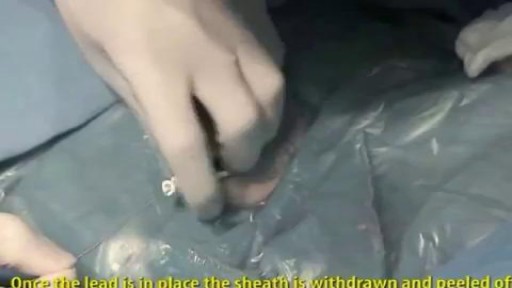
Under local anaesthetic with sedation, the doctor makes a small pocket under the skin below the collarbone, threads one or more leads through a vein into the heart under X-ray guidance, tests them, and connects the pacemaker. It usually takes about an hour. Afterwards the device is programmed and checked, and you receive your pacemaker ID card.
In hospital
Recovery timeline
Every recovery is individual, but most follow this general arc:
Warning signs: when to get help
- The wound becoming red, hot, swollen, leaking or increasingly painful (possible pocket infection)
- Bleeding or a rapidly enlarging swelling over the device
- Return of your original symptoms — fainting, blackouts or severe dizziness
- Fever, or feeling generally unwell
- Persistent hiccups or twitching in the chest or tummy (can signal a lead problem)
Related topics
Watch: real operation videos
From the MedicalVideos library. Some surgical videos are graphic and intended for education.
Frequently asked questions
Why can't I raise my arm on the device side?
For the first few weeks the leads are held in the heart only by tiny tines or a small screw while tissue grows around them. Big arm movements can tug a lead out of position, so teams advise keeping that arm below shoulder height for about 4 to 6 weeks — while still moving it gently to prevent a stiff shoulder.
What everyday things interfere with a pacemaker?
Very few. Mobile phones are fine (keep them off the device pocket itself), and household appliances, including microwaves, are safe. Strong magnets, some industrial equipment and certain medical procedures (such as some MRI scans and diathermy) need advice — carry your ID card and tell every clinician you have a pacemaker.
Medically reviewed by Dr. Mohamed Ibrahim, Assistant Professor of Medicine, Transplant Nephrology, University of Maryland School of Medicine. Last reviewed: 12 November 2026.
← More Heart & Vascular Surgery · All surgery recovery guides