
- Physical Examination
- Surgical Examination
- Ophthalmology
- Clinical Skills
- Orthopedics
- Surgery Videos
- Laparoscopy
- Pediatrics
- Funny Videos
- Cardiothoracic Surgery
- Nursing Videos
- Plastic Surgery
- Otorhinolaryngology
- Histology and Histopathology
- Neurosurgery
- Dermatology
- Pediatric Surgery
- Urology
- Dentistry
- Oncology and Cancers
- Anatomy Videos
- Health and Fitness
- Radiology
- Anaesthesia
- Physical Therapy
- Pharmacology
- Interventional Radiology
- Cardiology
- Endocrinology
- Gynecology
- Emergency Medicine
- Psychiatry and Psychology
- Childbirth Videos
- General Medical Videos
- Nephrology
- Physiology
- Diet and Food Health
- Diabetes Mellitus
- Neurology
- Women Health
- Osteoporosis
- Gastroenterology
- Pulmonology
- Hematology
- Rheumatology
- Toxicology
- Nuclear Medicine
- Infectious Diseases
- Vascular Disease
- Reproductive Health
- Burns and Wound Healing
- Kidney Zone Podcast
- Other
Pacemaker implantation
Category: Heart Tests & Procedures · All heart tests & procedures
What it is
A pacemaker is a small electronic device implanted under the skin near the collarbone, with one or more fine leads passed through a vein into the heart. It monitors the heartbeat and delivers tiny painless pulses if the heart beats too slowly.
Why it is done
Pacemakers are used for slow heart rhythms that cause fainting, dizziness, breathlessness or fatigue, and for some heart-block conditions found on ECG monitoring.
How to prepare
You will usually fast for a few hours and have blood tests and an ECG. Tell the team about blood-thinning medicines, allergies and any infection. The chest area is cleaned and sometimes shaved.
What happens during the procedure
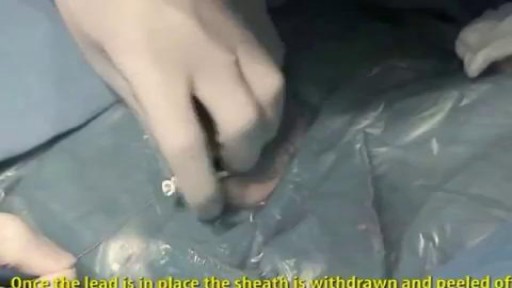
The procedure is usually done with local anaesthetic and sedation. A small cut is made below the collarbone, the leads are guided into the heart under X-ray, tested, and connected to the device tucked into a small pocket under the skin. It usually takes about an hour.
Afterwards — recovery & results
Most people stay one night or go home the same day with the wound checked before discharge. You will be asked to keep the arm on that side relatively rested for a few weeks while the leads settle, and you receive a pacemaker ID card. Follow-up checks, often partly remote, confirm the settings and battery.
Risks & considerations
Risks include bruising or bleeding, infection of the pocket, a lead moving and needing repositioning, and rarely a punctured lung during vein access. Battery life is usually many years, and replacement is a smaller procedure involving the device only.
Watch: Pacemaker implantation videos
Real procedure videos from the MedicalVideos.com library. Some clinical footage is graphic — that is the nature of a medical video library.
Frequently asked questions
Will I feel the pacemaker working?
No — the pulses are far too small to feel. Most people quickly forget the device is there, though the bump under the skin is normal.
Can I use a microwave and mobile phone?
Yes, household appliances are fine. Keep mobile phones in a pocket on the opposite side, and tell airport security and any MRI department that you have a pacemaker.
Related procedures — Heart Tests & Procedures
Browse the P section of the A–Z list or return to the Procedures & Tests hub.