
- Physical Examination
- Surgical Examination
- Ophthalmology
- Clinical Skills
- Orthopedics
- Surgery Videos
- Laparoscopy
- Pediatrics
- Funny Videos
- Cardiothoracic Surgery
- Nursing Videos
- Plastic Surgery
- Otorhinolaryngology
- Histology and Histopathology
- Neurosurgery
- Dermatology
- Pediatric Surgery
- Urology
- Dentistry
- Oncology and Cancers
- Anatomy Videos
- Health and Fitness
- Radiology
- Anaesthesia
- Physical Therapy
- Pharmacology
- Interventional Radiology
- Cardiology
- Endocrinology
- Gynecology
- Emergency Medicine
- Psychiatry and Psychology
- Childbirth Videos
- General Medical Videos
- Nephrology
- Physiology
- Diet and Food Health
- Diabetes Mellitus
- Neurology
- Women Health
- Osteoporosis
- Gastroenterology
- Pulmonology
- Hematology
- Rheumatology
- Toxicology
- Nuclear Medicine
- Infectious Diseases
- Vascular Disease
- Reproductive Health
- Burns and Wound Healing
- Kidney Zone Podcast
- Other
Shockwave lithotripsy (ESWL): What to Expect & Recovery
ESWL breaks kidney stones with focused shockwaves from outside the body — no cuts, no telescope, home the same day. Recovery is about passing the fragments: a few days of possible colic-type pain and blood in the urine, drinking well, and a follow-up scan to confirm clearance.
Before surgery: how to prepare
- Tell the team about blood thinners (they may need adjusting, as the kidney bruises slightly), pregnancy, and any pacemaker or implant — these affect suitability.
- A urine infection must be treated before treatment; expect a urine test.
- You may receive sedation or pain relief rather than a full anaesthetic; follow the eating and drinking instructions you are given, and arrange a lift if sedation is planned.
- Ask how many sessions your stone is likely to need — some stones need repeat treatments or ureteroscopy instead.
The day of surgery
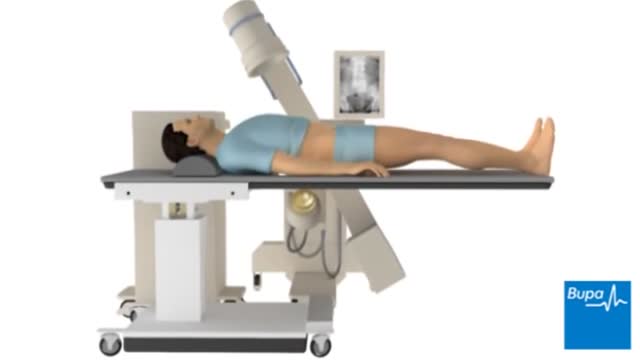
You lie on a treatment table while a shockwave generator targets the stone using X-ray or ultrasound. Thousands of focused pulses fragment the stone into sand-like pieces. It takes under an hour; discomfort is managed with pain relief or sedation, and you rest briefly afterwards before going home.
In hospital
Recovery timeline
Every recovery is individual, but most follow this general arc:
Warning signs: when to get help
- Severe loin pain with vomiting that painkillers cannot control
- Fever or shivering (infection, possibly behind obstructing fragments — 'steinstrasse')
- Being unable to pass urine
- Heavy bleeding or feeling faint
- Pain persisting beyond a few days without improvement
Related topics
Watch: real operation videos
From the MedicalVideos library. Some surgical videos are graphic and intended for education.
Frequently asked questions
What is 'steinstrasse'?
It means 'stone street': a column of fragments jams the ureter as they try to pass together, blocking the kidney. It can cause pain and infection risk, and is managed with pain relief and monitoring, a stent, or ureteroscopy if it does not clear. Fever with a blocked feeling is the combination to act on urgently.
Why might ESWL not work for my stone?
Very hard stones, stones in certain positions (especially the lower pole of the kidney, where fragments cannot drain uphill), large stones and some body shapes reduce success. Your urologist weighs these factors — sometimes ureteroscopy or PCNL is the better first choice.
Medically reviewed by Dr. Mohamed Ibrahim, Assistant Professor of Medicine, Transplant Nephrology, University of Maryland School of Medicine. Last reviewed: 12 November 2026.
← More Urology & Kidney Surgery · All surgery recovery guides