
- Physical Examination
- Surgical Examination
- Ophthalmology
- Clinical Skills
- Orthopedics
- Surgery Videos
- Laparoscopy
- Pediatrics
- Funny Videos
- Cardiothoracic Surgery
- Nursing Videos
- Plastic Surgery
- Otorhinolaryngology
- Histology and Histopathology
- Neurosurgery
- Dermatology
- Pediatric Surgery
- Urology
- Dentistry
- Oncology and Cancers
- Anatomy Videos
- Health and Fitness
- Radiology
- Anaesthesia
- Physical Therapy
- Pharmacology
- Interventional Radiology
- Cardiology
- Endocrinology
- Gynecology
- Emergency Medicine
- Psychiatry and Psychology
- Childbirth Videos
- General Medical Videos
- Nephrology
- Physiology
- Diet and Food Health
- Diabetes Mellitus
- Neurology
- Women Health
- Osteoporosis
- Gastroenterology
- Pulmonology
- Hematology
- Rheumatology
- Toxicology
- Nuclear Medicine
- Infectious Diseases
- Vascular Disease
- Reproductive Health
- Burns and Wound Healing
- Kidney Zone Podcast
- Other
Stoma formation (colostomy / ileostomy): What to Expect & Recovery
A stoma brings a loop of bowel to the skin of the tummy so stool drains into a bag — temporarily to protect a bowel join, or permanently when the lower bowel is removed. The hospital stay is as much about learning as healing: nobody goes home until they can manage the bag confidently.
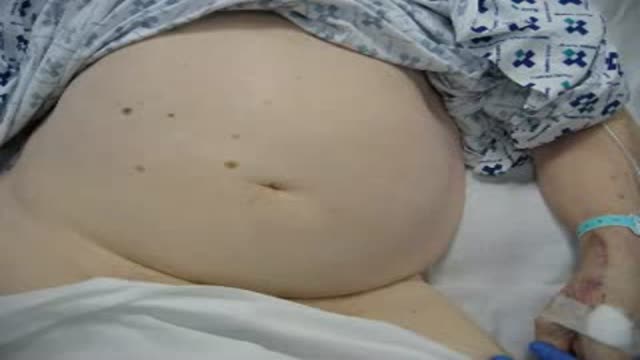
Before surgery: how to prepare
- A stoma nurse will usually mark the best position on your tummy before surgery, checking it against your waistband and how you sit and stand.
- Ask whether the stoma is expected to be temporary or permanent, and what reversal would involve if temporary.
- Pack loose clothing and a small bag for supplies; you will leave hospital with a starter supply of pouches arranged by the stoma team.
- If time allows, look at the support organisations (such as Colostomy UK) — their practical advice and peer support are excellent.
The day of surgery
The stoma is usually formed as part of a bigger bowel operation under a general anaesthetic. You wake with a clear bag over the new stoma so the team can watch it start to work — an ileostomy usually produces watery output within a day or two; a colostomy may take a few days to produce stool.
In hospital
Recovery timeline
Every recovery is individual, but most follow this general arc:
Warning signs: when to get help
- No stoma output with cramping tummy pain or vomiting (possible blockage)
- Very high watery output with thirst, dizziness or passing little urine (dehydration)
- The stoma changing colour — pale, dark purple or black
- Heavy bleeding from the stoma, or blood in large amounts in the bag
- Skin breakdown, leaks that will not seal, or the stoma sinking in or pushing out much further
- Fever or worsening tummy pain
Related topics
Watch: real operation videos
From the MedicalVideos library. Some surgical videos are graphic and intended for education.
Frequently asked questions
Will people be able to tell I have a stoma?
Modern bags are flat, discreet and odour-proof when sealed, and sit invisibly under normal clothing. Most people adapt over weeks and return to work, exercise and normal clothes. The stoma nurses are specialists in exactly these practical questions — ask them anything.
What can I eat with a stoma?
After the first weeks, most people eat a normal, balanced diet. With an ileostomy, staying hydrated is the priority, and a few foods (very fibrous items, sweetcorn, nuts) are best introduced cautiously and chewed well. Your stoma team and dietitian will tailor advice to you.
Medically reviewed by Dr. Mohamed Ibrahim, Assistant Professor of Medicine, Transplant Nephrology, University of Maryland School of Medicine. Last reviewed: 12 November 2026.
← More Abdominal & Digestive Surgery · All surgery recovery guides