
- Physical Examination
- Surgical Examination
- Ophthalmology
- Clinical Skills
- Orthopedics
- Surgery Videos
- Laparoscopy
- Pediatrics
- Funny Videos
- Cardiothoracic Surgery
- Nursing Videos
- Plastic Surgery
- Otorhinolaryngology
- Histology and Histopathology
- Neurosurgery
- Dermatology
- Pediatric Surgery
- Urology
- Dentistry
- Oncology and Cancers
- Anatomy Videos
- Health and Fitness
- Radiology
- Anaesthesia
- Physical Therapy
- Pharmacology
- Interventional Radiology
- Cardiology
- Endocrinology
- Gynecology
- Emergency Medicine
- Psychiatry and Psychology
- Childbirth Videos
- General Medical Videos
- Nephrology
- Physiology
- Diet and Food Health
- Diabetes Mellitus
- Neurology
- Women Health
- Osteoporosis
- Gastroenterology
- Pulmonology
- Hematology
- Rheumatology
- Toxicology
- Nuclear Medicine
- Infectious Diseases
- Vascular Disease
- Reproductive Health
- Burns and Wound Healing
- Kidney Zone Podcast
- Other
TAVI (transcatheter aortic valve implantation): What to Expect & Recovery
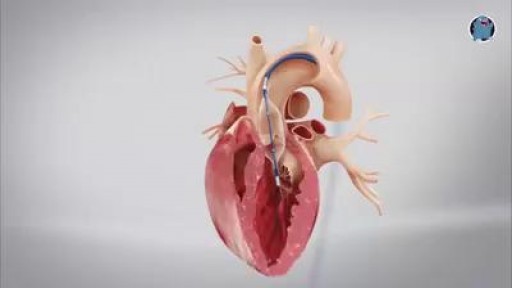
TAVI replaces a narrowed aortic valve through a catheter — usually via the leg artery — without opening the chest. Recovery is much quicker than open surgery: most people are home in a day or two and fully recovered within about two to three months.
Before surgery: how to prepare
- You will have had detailed heart-team assessment and scans; bring your medicine list and tell the team about allergies and any dental problems.
- Ask about blood thinners: you will leave on antiplatelet (and sometimes anticoagulant) medicines, and the team will tell you what to take around the procedure.
- Arrange a lift home and someone to help for the first few days — support over the first 1 to 2 weeks is commonly advised (NHS trust guidance).
- No driving for 4 weeks afterwards — plan transport for follow-up appointments in advance.
The day of surgery
Usually under local anaesthetic with sedation, a catheter travels from the groin (occasionally below the collarbone or through the chest wall) to the aortic valve, where the new valve is expanded inside the old one. You spend a few hours in recovery, then move to the ward for rhythm monitoring and checks of the groin puncture.
In hospital
Recovery timeline
Every recovery is individual, but most follow this general arc:
Warning signs: when to get help
- Bleeding, a swelling lump or severe pain at the groin puncture
- New breathlessness, chest pain, fainting or blackouts
- A slow, fast or irregular pulse that persists, with dizziness
- Signs of stroke — face, arm or speech change: emergency call
- Fever that does not settle (possible valve infection)
Related topics
Watch: real operation videos
From the MedicalVideos library. Some surgical videos are graphic and intended for education.
Frequently asked questions
Why might I need a pacemaker after TAVI?
The new valve sits close to the heart's electrical wiring. Occasionally the pressure of the valve frame disturbs the conduction system and the heart rate drops, so a pacemaker is fitted — this is a recognised part of TAVI care, and rhythm monitoring after the procedure is designed to catch it.
How is TAVI recovery different from open valve surgery?
There is no breastbone cut and no heart-lung machine, so instead of a week in hospital and two to three months of recovery, most people are home in 1 to 2 days and fully recovered in 6 to 10 weeks. The valve itself still needs the same lifelong respect: follow-up scans and protection from infection.
Medically reviewed by Dr. Mohamed Ibrahim, Assistant Professor of Medicine, Transplant Nephrology, University of Maryland School of Medicine. Last reviewed: 12 November 2026.
← More Heart & Vascular Surgery · All surgery recovery guides