
- Physical Examination
- Surgical Examination
- Ophthalmology
- Clinical Skills
- Orthopedics
- Surgery Videos
- Laparoscopy
- Pediatrics
- Funny Videos
- Cardiothoracic Surgery
- Nursing Videos
- Plastic Surgery
- Otorhinolaryngology
- Histology and Histopathology
- Neurosurgery
- Dermatology
- Pediatric Surgery
- Urology
- Dentistry
- Oncology and Cancers
- Anatomy Videos
- Health and Fitness
- Radiology
- Anaesthesia
- Physical Therapy
- Pharmacology
- Interventional Radiology
- Cardiology
- Endocrinology
- Gynecology
- Emergency Medicine
- Psychiatry and Psychology
- Childbirth Videos
- General Medical Videos
- Nephrology
- Physiology
- Diet and Food Health
- Diabetes Mellitus
- Neurology
- Women Health
- Osteoporosis
- Gastroenterology
- Pulmonology
- Hematology
- Rheumatology
- Toxicology
- Nuclear Medicine
- Infectious Diseases
- Vascular Disease
- Reproductive Health
- Burns and Wound Healing
- Kidney Zone Podcast
- Other
TAVI (transcatheter aortic valve implantation)
Category: Heart Tests & Procedures · All heart tests & procedures
What it is
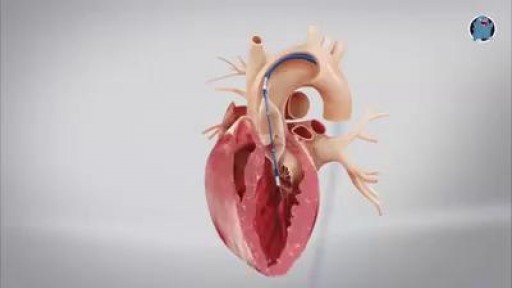
TAVI is a procedure to replace a narrowed aortic valve without open-heart surgery. A new tissue valve, folded inside a catheter, is passed usually through an artery in the groin and expanded inside the old valve.
Why it is done
It is used for severe aortic stenosis, particularly in older people or those at higher risk from conventional surgery, and increasingly in a wider group after assessment by the heart team.
How to prepare
Assessment includes heart scans, a CT scan of the arteries to plan the route, blood tests and reviews by the multidisciplinary heart team. You will fast before the procedure and have medicines reviewed.
What happens during the procedure
You are usually awake with sedation or under light general anaesthetic. The catheter is guided to the heart under X-ray, the new valve is positioned and expanded, pushing the old valve aside. The procedure usually takes one to two hours.
Afterwards — recovery & results
Most people are up the next day and home within a few days — often faster than after open surgery. You will be monitored for rhythm problems (occasionally a pacemaker is needed) and the groin site is checked. Follow-up scans confirm the valve position and function.
Risks & considerations
Risks include bleeding or artery damage at the access site, stroke, kidney effects from dye, rhythm problems needing a pacemaker, leak around the new valve, and rarely the need for emergency surgery. The heart team weighs these against the risks of the untreated stenosis and of open surgery.
Watch: TAVI (transcatheter aortic valve implantation) videos
Real procedure videos from the MedicalVideos.com library. Some clinical footage is graphic — that is the nature of a medical video library.
Related guides on MedicalVideos.com
Frequently asked questions
Is TAVI as good as open surgery?
For suitable patients the results are comparable, with a faster recovery, but durability data over decades is still accumulating — which is why the heart team considers age and anatomy carefully.
Will I feel better straight away?
Many people notice improved breathlessness within days to weeks as the heart no longer strains against a narrow valve.
Related procedures — Heart Tests & Procedures
Browse the T section of the A–Z list or return to the Procedures & Tests hub.