
- Physical Examination
- Surgical Examination
- Ophthalmology
- Clinical Skills
- Orthopedics
- Surgery Videos
- Laparoscopy
- Pediatrics
- Funny Videos
- Cardiothoracic Surgery
- Nursing Videos
- Plastic Surgery
- Otorhinolaryngology
- Histology and Histopathology
- Neurosurgery
- Dermatology
- Pediatric Surgery
- Urology
- Dentistry
- Oncology and Cancers
- Anatomy Videos
- Health and Fitness
- Radiology
- Anaesthesia
- Physical Therapy
- Pharmacology
- Interventional Radiology
- Cardiology
- Endocrinology
- Gynecology
- Emergency Medicine
- Psychiatry and Psychology
- Childbirth Videos
- General Medical Videos
- Nephrology
- Physiology
- Diet and Food Health
- Diabetes Mellitus
- Neurology
- Women Health
- Osteoporosis
- Gastroenterology
- Pulmonology
- Hematology
- Rheumatology
- Toxicology
- Nuclear Medicine
- Infectious Diseases
- Vascular Disease
- Reproductive Health
- Burns and Wound Healing
- Kidney Zone Podcast
- Other
Constipation
Category: Digestive & Abdomen · All digestive symptoms
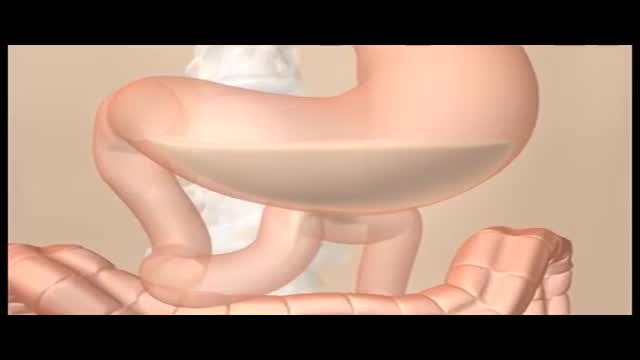
What it can feel like
Constipation means passing stools less often than is normal for you, with hard, dry stools that are difficult or painful to pass, sometimes with straining and a feeling of incomplete emptying. It is extremely common and usually relates to diet, fluids, activity and medicines.
Possible causes
A symptom can have many causes, and most are not serious. The lists below group conditions this symptom can be associated with — common causes first. They are possibilities to discuss with a clinician, not a diagnosis.
Common causes
Constipation can be associated with low-fibre diets, not drinking enough, inactivity, ignoring the urge to go, travel, pregnancy, and medicines such as opioid painkillers, iron tablets and some antidepressants.
Other possible causes
Persistent constipation can be associated with an underactive thyroid, raised calcium, conditions affecting the bowel nerves, and, rarely, a narrowing or growth in the bowel — particularly when it is a new, lasting change later in life.
Red flags — when to seek help promptly
- Constipation with blood in the stool or black stools
- Constipation with severe abdominal pain, swelling or vomiting
- A new, persistent change in bowel habit over the age of 50
- Constipation with unexplained weight loss
- Being unable to pass any stool or wind, with a swollen abdomen
What a clinician may do
A clinician will ask about diet, fluids, activity, medicines and blood or weight change, and examine your abdomen (and sometimes the rectum). Blood tests may check thyroid and calcium; a stool test for hidden blood and bowel investigations follow for persistent or alarm cases.
Watch: related videos
Examination and clinical videos from the MedicalVideos.com library relevant to this symptom. Some clinical footage is graphic — that is the nature of a medical video library.
Related guides on MedicalVideos.com
Frequently asked questions
How often should I go?
Normal frequency ranges from three times a day to three times a week. Constipation is defined more by hard, difficult stools and straining than by a number — and by a change from your own pattern.
Why do painkillers cause constipation?
Opioid painkillers slow the bowel's pushing movements and increase water absorption, producing hard, infrequent stools. If you need these medicines, your clinician will usually plan laxatives alongside them rather than waiting for trouble.
Related symptoms — Digestive & Abdomen
Browse the C section of the A–Z list or return to the Symptoms A–Z hub.