
- Physical Examination
- Surgical Examination
- Ophthalmology
- Clinical Skills
- Orthopedics
- Surgery Videos
- Laparoscopy
- Pediatrics
- Funny Videos
- Cardiothoracic Surgery
- Nursing Videos
- Plastic Surgery
- Otorhinolaryngology
- Histology and Histopathology
- Neurosurgery
- Dermatology
- Pediatric Surgery
- Urology
- Dentistry
- Oncology and Cancers
- Anatomy Videos
- Health and Fitness
- Radiology
- Anaesthesia
- Physical Therapy
- Pharmacology
- Interventional Radiology
- Cardiology
- Endocrinology
- Gynecology
- Emergency Medicine
- Psychiatry and Psychology
- Childbirth Videos
- General Medical Videos
- Nephrology
- Physiology
- Diet and Food Health
- Diabetes Mellitus
- Neurology
- Women Health
- Osteoporosis
- Gastroenterology
- Pulmonology
- Hematology
- Rheumatology
- Toxicology
- Nuclear Medicine
- Infectious Diseases
- Vascular Disease
- Reproductive Health
- Burns and Wound Healing
- Kidney Zone Podcast
- Other
Colonoscopy
Category: Endoscopy & Camera Tests · All endoscopy & camera tests
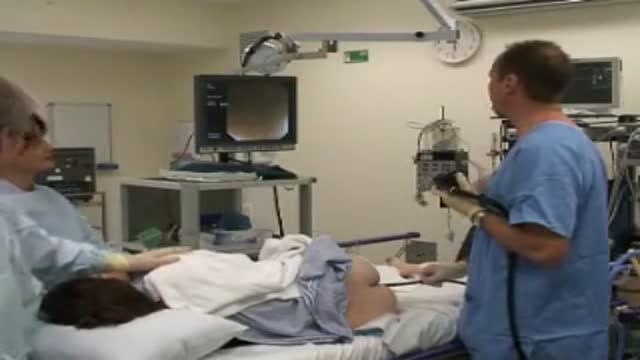
What it is
A colonoscopy is an examination of the large bowel using a thin, flexible camera tube passed through the back passage. It gives a direct view of the bowel lining and allows polyps to be removed and samples (biopsies) to be taken.
Why it is done
It is used to investigate symptoms such as bleeding from the back passage, a change in bowel habit, anaemia or abdominal pain, as part of bowel cancer screening, and to monitor conditions such as inflammatory bowel disease.
How to prepare
The bowel must be completely empty, so you will follow a special diet for a day or two and take strong laxative drinks (bowel preparation) the day before. Tell the team about diabetes and blood-thinning medicines, which may need adjusting, and arrange an escort if you plan to have sedation.
What happens during the procedure
You lie on your side and are usually offered sedation and pain relief, or gas and air. The camera is passed around the bowel while air or carbon dioxide gently opens the view; this can cause cramping and a feeling of needing the toilet. Polyps are usually removed painlessly during the test. It takes about 30 to 45 minutes.
Afterwards — recovery & results
You rest until sedation wears off and must be accompanied home; you should not drive for 24 hours after sedation. Some bloating and wind are normal for a few hours. Biopsy and polyp results usually take one to three weeks and are sent to you or discussed at follow-up.
Risks & considerations
Most colonoscopies are uncomplicated. Risks include bleeding after polyp removal, a small risk of a tear (perforation) in the bowel wall which may need surgery, and reactions to sedation. The bowel preparation can cause dehydration, so drink fluids as instructed. Your endoscopist will explain the figures relevant to you.
Watch: Colonoscopy videos
Real procedure videos from the MedicalVideos.com library. Some clinical footage is graphic — that is the nature of a medical video library.
Related guides on MedicalVideos.com
Frequently asked questions
Does a colonoscopy hurt?
Most people have sedation and remember little discomfort. Cramping from the gas used to open the bowel is the commonest sensation and settles afterwards.
Why is the bowel preparation so important?
Any stool left in the bowel hides the lining, and polyps can be missed. A clean bowel makes the test quicker, safer and more reliable.
What if a polyp is found?
Most polyps are removed during the test and sent to the laboratory. Most are not cancer, but removing them reduces future cancer risk.
Related procedures — Endoscopy & Camera Tests
Browse the C section of the A–Z list or return to the Procedures & Tests hub.