
- Physical Examination
- Surgical Examination
- Ophthalmology
- Clinical Skills
- Orthopedics
- Surgery Videos
- Laparoscopy
- Pediatrics
- Funny Videos
- Cardiothoracic Surgery
- Nursing Videos
- Plastic Surgery
- Otorhinolaryngology
- Histology and Histopathology
- Neurosurgery
- Dermatology
- Pediatric Surgery
- Urology
- Dentistry
- Oncology and Cancers
- Anatomy Videos
- Health and Fitness
- Radiology
- Anaesthesia
- Physical Therapy
- Pharmacology
- Interventional Radiology
- Cardiology
- Endocrinology
- Gynecology
- Emergency Medicine
- Psychiatry and Psychology
- Childbirth Videos
- General Medical Videos
- Nephrology
- Physiology
- Diet and Food Health
- Diabetes Mellitus
- Neurology
- Women Health
- Osteoporosis
- Gastroenterology
- Pulmonology
- Hematology
- Rheumatology
- Toxicology
- Nuclear Medicine
- Infectious Diseases
- Vascular Disease
- Reproductive Health
- Burns and Wound Healing
- Kidney Zone Podcast
- Other
Stool tests (FIT, culture, calprotectin)
Category: Biopsies, Lab & Pathology Tests · All biopsies, lab & pathology tests
What it is
Stool tests include FIT (faecal immunochemical test — detects hidden blood), culture and PCR panels (find infection organisms), calprotectin (a marker of bowel inflammation), and tests for parasites and toxins such as C. difficile.
Why it is done
FIT is used in bowel cancer screening programmes and to assess people with bowel symptoms at lower risk of cancer. Calprotectin helps distinguish inflammatory bowel disease (IBD) from irritable bowel syndrome (IBS). Cultures investigate infectious diarrhoea.
How to prepare
Your kit comes with instructions: a small sample is collected with the provided stick or spoon into the container — the FIT needs only a tiny scrape. Avoid contamination with toilet water where instructed. Note recent antibiotics and travel for culture requests.
What happens during the procedure
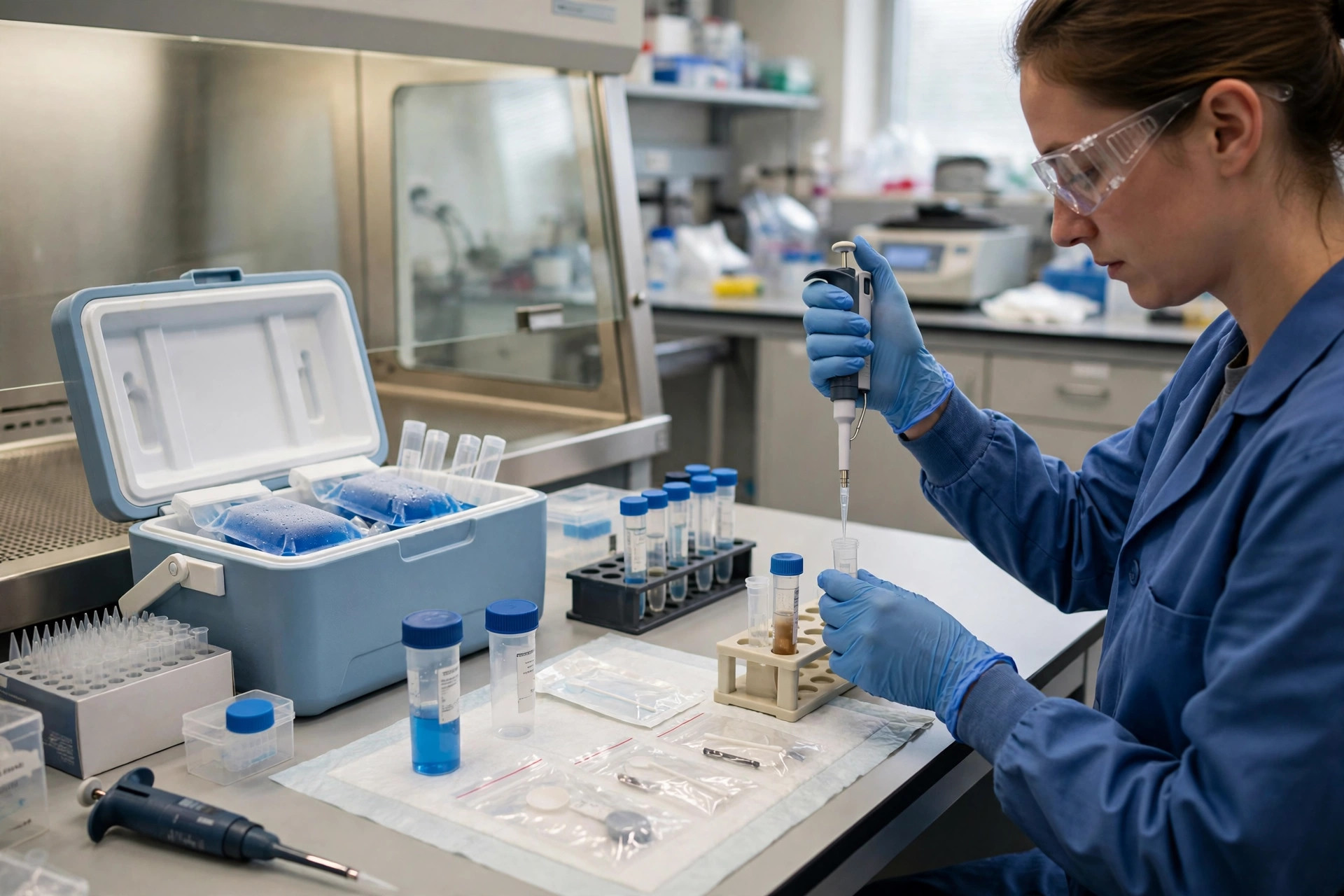
In the laboratory, FIT measures human haemoglobin in the sample quantitatively; calprotectin is extracted and measured by immunoassay; cultures and PCR identify organisms. No procedure on you is involved — you provide the sample at home or in clinic.
Afterwards — recovery & results
Results take a few days typically (FIT screening results by post or portal). A positive FIT leads to colonoscopy referral in screening and symptomatic pathways. Your clinic explains your individual results and next steps.
Risks & considerations
There are no risks to you. The commonest issue is sampling error — follow the kit instructions carefully and return the sample promptly as directed.
Related guides on MedicalVideos.com
Frequently asked questions
A positive FIT means cancer?
No — most positive FITs are not cancer; blood can come from polyps, inflammation, haemorrhoids and other causes. It means the bowel needs a proper look with colonoscopy.
Why calprotectin instead of going straight to colonoscopy?
In younger patients with typical IBS symptoms and a low calprotectin, colonoscopy can often be avoided safely. A high result prioritises endoscopy and IBD assessment.
Related procedures — Biopsies, Lab & Pathology Tests
Browse the S section of the A–Z list or return to the Procedures & Tests hub.