
- Physical Examination
- Surgical Examination
- Ophthalmology
- Clinical Skills
- Orthopedics
- Surgery Videos
- Laparoscopy
- Pediatrics
- Funny Videos
- Cardiothoracic Surgery
- Nursing Videos
- Plastic Surgery
- Otorhinolaryngology
- Histology and Histopathology
- Neurosurgery
- Dermatology
- Pediatric Surgery
- Urology
- Dentistry
- Oncology and Cancers
- Anatomy Videos
- Health and Fitness
- Radiology
- Anaesthesia
- Physical Therapy
- Pharmacology
- Interventional Radiology
- Cardiology
- Endocrinology
- Gynecology
- Emergency Medicine
- Psychiatry and Psychology
- Childbirth Videos
- General Medical Videos
- Nephrology
- Physiology
- Diet and Food Health
- Diabetes Mellitus
- Neurology
- Women Health
- Osteoporosis
- Gastroenterology
- Pulmonology
- Hematology
- Rheumatology
- Toxicology
- Nuclear Medicine
- Infectious Diseases
- Vascular Disease
- Reproductive Health
- Burns and Wound Healing
- Kidney Zone Podcast
- Other
Jaundice
Category: Digestive & Abdomen · All digestive symptoms
What it can feel like
Jaundice is yellowing of the skin and the whites of the eyes, caused by a build-up of bilirubin, a yellow pigment made when old red blood cells are broken down. It is a sign, not a diagnosis, and new jaundice in an adult always needs prompt investigation.
Possible causes
A symptom can have many causes, and most are not serious. The lists below group conditions this symptom can be associated with — common causes first. They are possibilities to discuss with a clinician, not a diagnosis.
Common causes
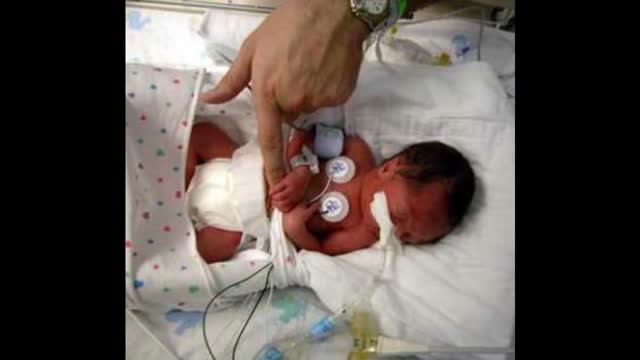
Jaundice can be associated with liver inflammation from viruses or alcohol, with gallstones blocking the bile duct, and with some medicines. In newborns, mild jaundice is common and usually physiological, but it is always monitored.
Other possible causes
Jaundice can also be associated with pancreatic or bile-duct tumours, with severe liver disease, and with conditions that break down red blood cells too quickly. Dark urine and pale stools alongside jaundice point towards blocked bile flow.
Red flags — when to seek help promptly
- Jaundice with severe abdominal pain or high fever — emergency
- Jaundice with confusion, drowsiness or bleeding — emergency
- New jaundice at any adult age — assess promptly
- Jaundice in a newborn who is not feeding well or is unusually sleepy
What a clinician may do
A clinician will ask about alcohol, medicines, pain, fever, urine and stool colour, and examine your abdomen. Blood tests (liver function, blood count, clotting) and an ultrasound of the liver and bile ducts are the usual first steps; further scans and referral follow.
Watch: related videos
Examination and clinical videos from the MedicalVideos.com library relevant to this symptom. Some clinical footage is graphic — that is the nature of a medical video library.
Related guides on MedicalVideos.com
Frequently asked questions
Why do the eyes show it first?
Bilirubin has a strong affinity for the elastic tissue in the whites of the eyes, so yellowing is often visible there before the skin — and it shows in natural daylight better than artificial light, which is why clinicians may look near a window.
Does jaundice always mean liver failure?
No — gallstones blocking the bile duct and viral hepatitis are common causes, and many are very treatable. But because the list includes serious causes, new jaundice is always investigated promptly rather than watched.
Related symptoms — Digestive & Abdomen
Browse the J section of the A–Z list or return to the Symptoms A–Z hub.