
- Physical Examination
- Surgical Examination
- Ophthalmology
- Clinical Skills
- Orthopedics
- Surgery Videos
- Laparoscopy
- Pediatrics
- Funny Videos
- Cardiothoracic Surgery
- Nursing Videos
- Plastic Surgery
- Otorhinolaryngology
- Histology and Histopathology
- Neurosurgery
- Dermatology
- Pediatric Surgery
- Urology
- Dentistry
- Oncology and Cancers
- Anatomy Videos
- Health and Fitness
- Radiology
- Anaesthesia
- Physical Therapy
- Pharmacology
- Interventional Radiology
- Cardiology
- Endocrinology
- Gynecology
- Emergency Medicine
- Psychiatry and Psychology
- Childbirth Videos
- General Medical Videos
- Nephrology
- Physiology
- Diet and Food Health
- Diabetes Mellitus
- Neurology
- Women Health
- Osteoporosis
- Gastroenterology
- Pulmonology
- Hematology
- Rheumatology
- Toxicology
- Nuclear Medicine
- Infectious Diseases
- Vascular Disease
- Reproductive Health
- Burns and Wound Healing
- Kidney Zone Podcast
- Other
ERCP
Category: Endoscopy & Camera Tests · All endoscopy & camera tests
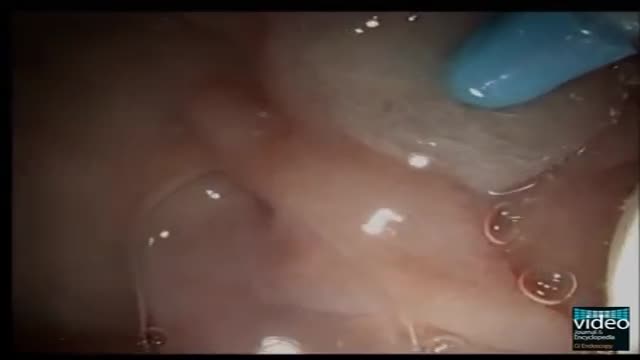
What it is
ERCP (endoscopic retrograde cholangiopancreatography) combines an endoscope passed through the mouth into the small bowel with X-ray dye pictures of the bile and pancreatic ducts. It is mainly a treatment procedure — for example removing stones from the bile duct or placing a stent to relieve a blockage.
Why it is done
It is used when bile duct stones are causing pain, jaundice or infection, when the bile or pancreatic duct is narrowed or blocked, and occasionally to sample tissue or treat leaks after surgery.
How to prepare
You will fast for several hours. Blood tests are checked and blood-thinning medicines may need to be paused — the team will advise. You usually stay in hospital overnight afterwards, and sedation or general anaesthetic is used.
What happens during the procedure
Under sedation or anaesthetic, the scope is passed to where the ducts open into the bowel. Dye is injected into the ducts for X-ray pictures; stones can be pulled out with tiny baskets or balloons after a small cut to the duct opening, and stents can be placed. It usually takes 30 to 60 minutes.
Afterwards — recovery & results
You are monitored on the ward, with blood tests afterwards. Most people eat lightly later the same day. Some abdominal discomfort and a sore throat are common. The team watches specifically for pancreatitis symptoms — worsening upper abdominal pain — in the first day.
Risks & considerations
The main specific risk is inflammation of the pancreas (pancreatitis) after the procedure, which is usually mild but occasionally severe. Others include bleeding after the small cut, infection of blocked bile ducts, a perforation, and sedation or anaesthetic risks. Your specialist will explain the balance in your case.
Watch: ERCP videos
Real procedure videos from the MedicalVideos.com library. Some clinical footage is graphic — that is the nature of a medical video library.
Related guides on MedicalVideos.com
Frequently asked questions
Why is ERCP not used just to look?
Because it carries more risk than scans, diagnosis is usually done with MRCP or CT first. ERCP is reserved mainly for when treatment — stone removal or a stent — is expected to be needed.
Will I need surgery afterwards?
Often ERCP treats the duct problem and gallbladder surgery (if gallstones are the cause) is planned separately. Some duct problems need surgical or repeat endoscopic treatment.
Related procedures — Endoscopy & Camera Tests
Browse the E section of the A–Z list or return to the Procedures & Tests hub.