
- Physical Examination
- Surgical Examination
- Ophthalmology
- Clinical Skills
- Orthopedics
- Surgery Videos
- Laparoscopy
- Pediatrics
- Funny Videos
- Cardiothoracic Surgery
- Nursing Videos
- Plastic Surgery
- Otorhinolaryngology
- Histology and Histopathology
- Neurosurgery
- Dermatology
- Pediatric Surgery
- Urology
- Dentistry
- Oncology and Cancers
- Anatomy Videos
- Health and Fitness
- Radiology
- Anaesthesia
- Physical Therapy
- Pharmacology
- Interventional Radiology
- Cardiology
- Endocrinology
- Gynecology
- Emergency Medicine
- Psychiatry and Psychology
- Childbirth Videos
- General Medical Videos
- Nephrology
- Physiology
- Diet and Food Health
- Diabetes Mellitus
- Neurology
- Women Health
- Osteoporosis
- Gastroenterology
- Pulmonology
- Hematology
- Rheumatology
- Toxicology
- Nuclear Medicine
- Infectious Diseases
- Vascular Disease
- Reproductive Health
- Burns and Wound Healing
- Kidney Zone Podcast
- Other
Racing heartbeat
Category: Chest, Heart & Circulation · All chest & heart symptoms
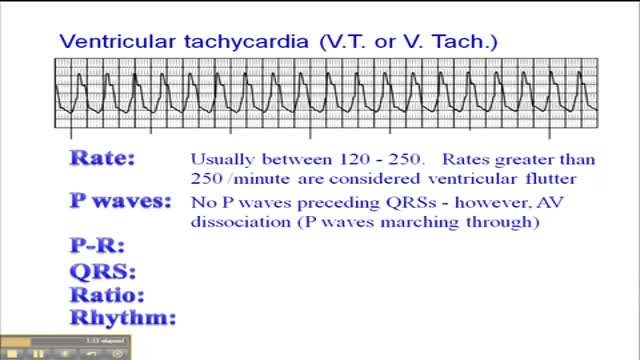
What it can feel like
A racing heartbeat means your heart is beating much faster than usual — often felt as pounding in the chest, neck or ears. A fast pulse is normal during exercise, fever or fright; episodes that start and stop suddenly, or a racing heart at rest, are the patterns to have checked.
Possible causes
A symptom can have many causes, and most are not serious. The lists below group conditions this symptom can be associated with — common causes first. They are possibilities to discuss with a clinician, not a diagnosis.
Common causes
A fast heartbeat can be associated with exercise, fever, pain, anxiety, caffeine, alcohol, dehydration and some medicines or recreational drugs.
Other possible causes
Sudden racing episodes can be associated with heart rhythm problems such as supraventricular tachycardia or atrial fibrillation, with an overactive thyroid, anaemia, or a blood clot in the lung.
Red flags — when to seek help promptly
- A racing heartbeat with chest pain, breathlessness or fainting
- A fast pulse that does not settle with rest
- A racing heartbeat in someone with a heart condition or a pacemaker
- A racing heartbeat with clammy skin and feeling extremely unwell
What a clinician may do
A clinician will record your pulse and blood pressure and arrange an ECG — ideally during an episode. Blood tests check thyroid, blood count and salts, and a wearable monitor or specialist referral follows if episodes are brief and occasional.
Watch: related videos
Examination and clinical videos from the MedicalVideos.com library relevant to this symptom. Some clinical footage is graphic — that is the nature of a medical video library.
Related guides on MedicalVideos.com
Frequently asked questions
What should I do during an episode?
Sit down, note the time and how it feels, and check your pulse if you can. If there is chest pain, breathlessness or faintness, seek emergency help. Otherwise, an episode that lasts more than a few minutes at rest is worth same-day advice, and recording the episode on a wearable device can help.
Is a fast heart rate at rest dangerous?
It depends on the rhythm and the context — which is exactly what an ECG establishes. Some fast rhythms are manageable and treatable once identified; the important step is getting the rhythm recorded rather than guessing.
Related symptoms — Chest, Heart & Circulation
Browse the R section of the A–Z list or return to the Symptoms A–Z hub.