
- Physical Examination
- Surgical Examination
- Ophthalmology
- Clinical Skills
- Orthopedics
- Surgery Videos
- Laparoscopy
- Pediatrics
- Funny Videos
- Cardiothoracic Surgery
- Nursing Videos
- Plastic Surgery
- Otorhinolaryngology
- Histology and Histopathology
- Neurosurgery
- Dermatology
- Pediatric Surgery
- Urology
- Dentistry
- Oncology and Cancers
- Anatomy Videos
- Health and Fitness
- Radiology
- Anaesthesia
- Physical Therapy
- Pharmacology
- Interventional Radiology
- Cardiology
- Endocrinology
- Gynecology
- Emergency Medicine
- Psychiatry and Psychology
- Childbirth Videos
- General Medical Videos
- Nephrology
- Physiology
- Diet and Food Health
- Diabetes Mellitus
- Neurology
- Women Health
- Osteoporosis
- Gastroenterology
- Pulmonology
- Hematology
- Rheumatology
- Toxicology
- Nuclear Medicine
- Infectious Diseases
- Vascular Disease
- Reproductive Health
- Burns and Wound Healing
- Kidney Zone Podcast
- Other
Top videos
The most-watched medical videos on MedicalVideos.com — ranked by views from our community of medical students, healthcare professionals, and patients learning how the body works.


Examination of Neck Swelling

What's helping me become a better doctor
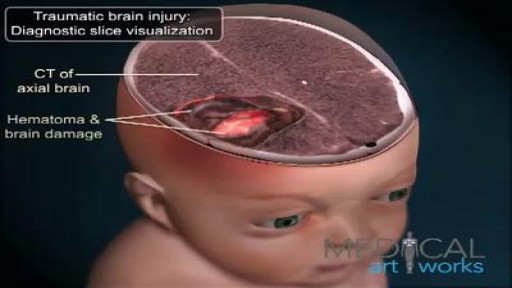
Traumatic Brain Injury (TBI) TBI is defined as an alteration in brain function, or other evidence of brain pathology, caused by an external force. Adopted by the Brain Injury Association Board of Directors in 2011. This definition is not intended as an exclusive statement of the population served by the Brain Injury Association of America. Acquired Brain Injury An acquired brain injury is an injury to the brain, which is not hereditary, congenital, degenerative, or induced by birth trauma. An acquired brain injury is an injury to the brain that has occurred after birth. There is sometimes confusion about what is considered an acquired brain injury. By definition, any traumatic brain injury (e.g. from a motor vehicle accident or assault) could be considered an acquired brain injury. In the field of brain injury, acquired brain injuries are typically considered any injury that is non traumatic. Examples of acquired brain injury include stroke, near drowning, hypoxic or anoxic brain injury, tumor, neurotoxins, electric shock or lightning strike.
Video of the technique and early outcomes of Robotic Assisted Microsurgical Vasectomy Reversal at University of Florida and Shands, Gainesville, Fl, by Dr. Sijo Parekattil.
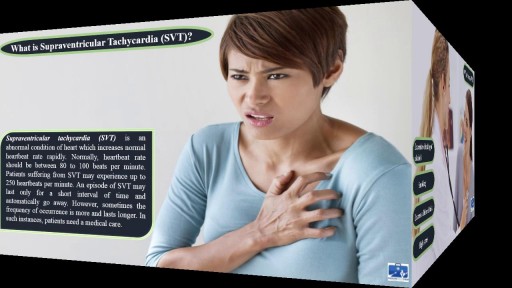
Supraventricular tachycardia (SVT) is an abnormal condition of heart which increases normal heartbeat rate rapidly. Normally, heartbeat rate should be between 80 to 100 beats per minute. For more info:

This clip shows the adenoids as seen endoscopically. You can also see the clefts of the adenoids clearly demonstrated.
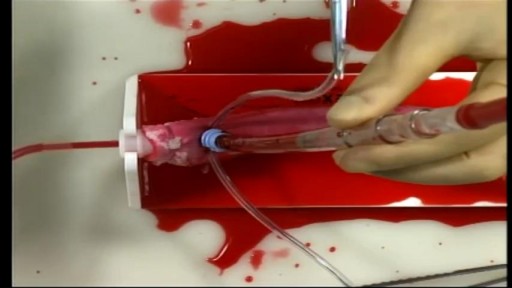
Cardiac Surgical Skills LaboratoryTraining Procedures:/n Aortic Cannulation and Decannulation/nCardiac surgery training

Suck reflex. ... Babies also have a hand-to-mouth reflex that goes with rooting and sucking and may suck on fingers or hands. Moro reflex. The Moro reflex is often called a startle reflex because it usually occurs when a baby is startled by a loud sound or movement.
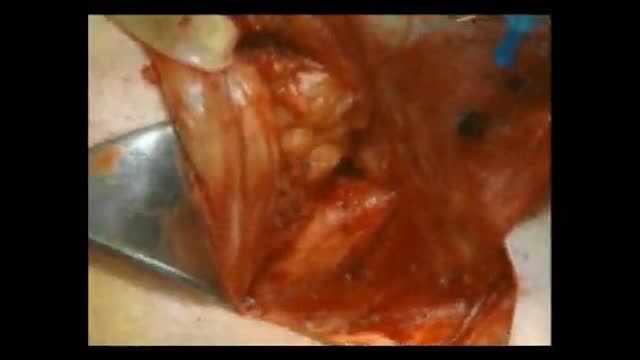
Repair of an indirect inguinal hernia
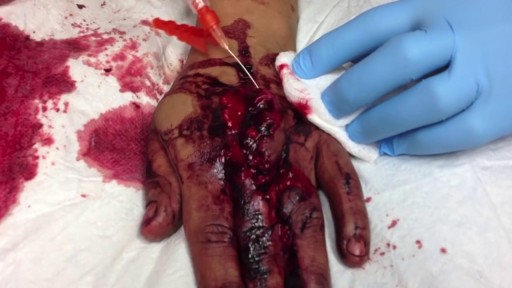
Skin laceration repair is an important skill in family medicine. Sutures, tissue adhesives, staples, and skin-closure tapes are options in the outpatient setting. Physicians should be familiar with various suturing techniques, including simple, running, and half-buried mattress (corner) sutures. Although suturing is the preferred method for laceration repair, tissue adhesives are similar in patient satisfaction, infection rates, and scarring risk in low skin-tension areas and may be more cost-effective. The tissue adhesive hair apposition technique also is effective in repairing scalp lacerations. The sting of local anesthesia injections can be lessened by using smaller gauge needles, administering the injection slowly, and warming or buffering the solution. Studies have shown that tap water is safe to use for irrigation, that white petrolatum ointment is as effective as antibiotic ointment in postprocedure care, and that wetting the wound as early as 12 hours after repair does not increase the risk of infection. Patient education and appropriate procedural coding are important after the repair.

Twins in the Womb - Human Development
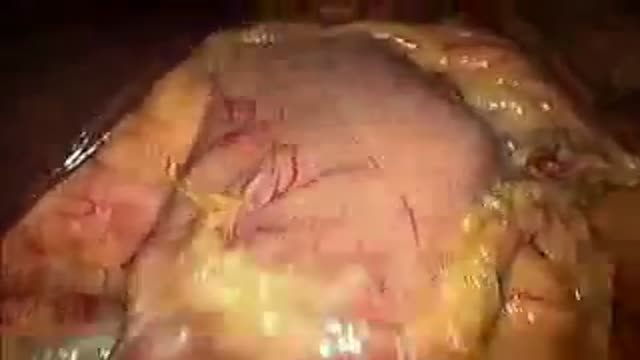
Revision of Mini Gastric ByPass

Tracheal deviation Clinical Exam

Triglycerides are a type of fat (lipid) found in your blood. When you eat, your body converts any calories it doesn't need to use right away into triglycerides. The triglycerides are stored in your fat cells. Later, hormones release triglycerides for energy between meals. If you regularly eat more calories than you burn, particularly "easy" calories like carbohydrates and fats, you may have high triglycerides (hypertriglyceridemia).

Stephen has sharing his experience with the others.
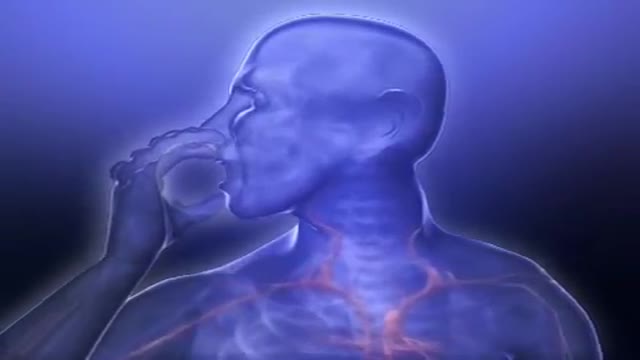
Recommended range without diabetes is 70 to 130mg/dL. (The standard for measuring blood glucose is "mg/dL" which means milligrams per deciliter.) If your blood glucose level is above 130mg/dL, that's fasting hyperglycemia. Fasting hyperglycemia is a common diabetes complication.

Instrumental Tie

ROTIGS medical device by Honolulu inventor Dr. Brad NaPier makes fiberoptic intubations easier for medical professionals.
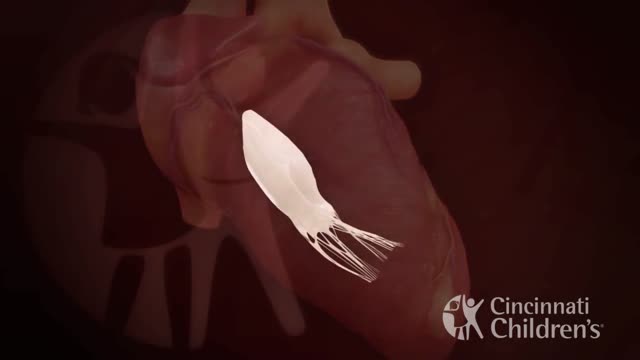
Ebstein anomaly is a congenital malformation of the heart that is characterized by apical displacement of the septal and posterior tricuspid valve leaflets, leading to atrialization of the right ventricle with a variable degree of malformation and displacement of the anterior leaflet.
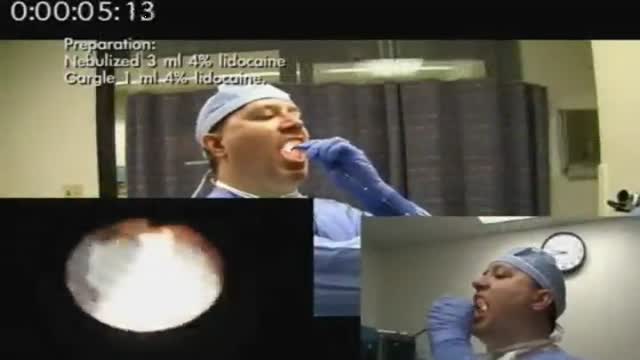
ROTIGS medical device by Honolulu inventor Dr. Brad NaPier makes difficult airway intubations easier for medical professionals.
Medical Videos
Free medical and surgery videos for patients, students and professionals — trusted since 2007.
Founded by Dr. Mohamed Ibrahim, MD, PhD — physician-scientist.
Follow us on Facebook · Instagram