
- Physical Examination
- Surgical Examination
- Ophthalmology
- Clinical Skills
- Orthopedics
- Surgery Videos
- Laparoscopy
- Pediatrics
- Funny Videos
- Cardiothoracic Surgery
- Nursing Videos
- Plastic Surgery
- Otorhinolaryngology
- Histology and Histopathology
- Neurosurgery
- Dermatology
- Pediatric Surgery
- Urology
- Dentistry
- Oncology and Cancers
- Anatomy Videos
- Health and Fitness
- Radiology
- Anaesthesia
- Physical Therapy
- Pharmacology
- Interventional Radiology
- Cardiology
- Endocrinology
- Gynecology
- Emergency Medicine
- Psychiatry and Psychology
- Childbirth Videos
- General Medical Videos
- Nephrology
- Physiology
- Diet and Food Health
- Diabetes Mellitus
- Neurology
- Women Health
- Osteoporosis
- Gastroenterology
- Pulmonology
- Hematology
- Rheumatology
- Toxicology
- Nuclear Medicine
- Infectious Diseases
- Vascular Disease
- Reproductive Health
- Burns and Wound Healing
- Other
Top videos
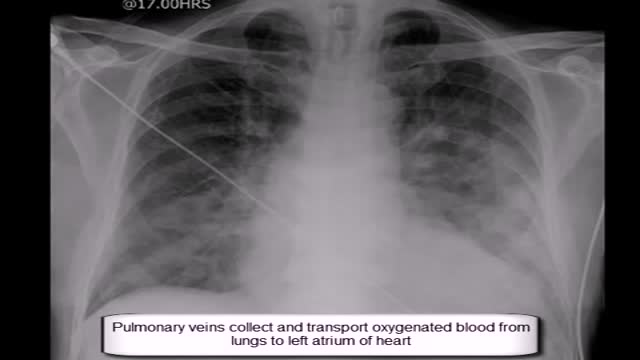

Expand Section. Pulmonary edema is often caused by congestive heart failure. When the heart is not able to pump efficiently, blood can back up into the veins that take blood through the lungs. As the pressure in these blood vessels increases, fluid is pushed into the air spaces (alveoli) in the lungs.
The inflatable penile prosthesis consists of two attached cylinders -- a reservoir and a pump -- which are placed surgically in the body. The two cylinders are inserted in the penis and connected by tubing to a separate reservoir of saline. The reservoir is implanted under the rectus muscles in the lower abdomen. A pump is also connected to the system and sits under the loose skin of the scrotal sac, between the testicles. This penile prosthesis is referred to as a 3-piece inflatable penile prosthesis, due to the three different components. A 2-piece inflatable penile prosthesis consists of only two components: the attached cylinders and the combined reservoir and pump unit. Instead of the reservoir being placed behind the groin, it is combined with the pump into one housing unit that fits comfortably within the scrotum. The advantage of a 2-piece prosthesis in that the surgery is shorter and less complicated and there is no device parts in the abdomen. The disadvantage of the 2-piece prosthesis is that the smaller reservoir may not result in adequate erections in some men. To inflate the prosthesis, the man presses on the pump. The pump transfers saline from the reservoir to the cylinders in the penis, inflating them and causing an erection. Pressing on a deflation valve at the base of the pump returns the fluid to the reservoir, deflating the penis and returning it to the normal flaccid state.

Cigarette contain tobacco that is very harmful but vaporizers does not contain tobacco. ... The most basic difference between vaping and cigarette usage is that cigarettes require combustion. You need fire to light a cigarette. On the other hand, vaping requires electricity and creates vapor.
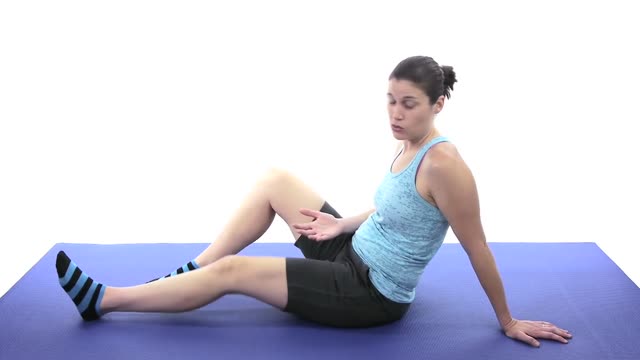
The ACL is one of the four main ligaments within the knee that connect the femur to the tibia. The knee is essentially a hinged joint that is held together by the medial collateral (MCL), lateral collateral (LCL), anterior cruciate (ACL) and posterior cruciate (PCL) ligaments.
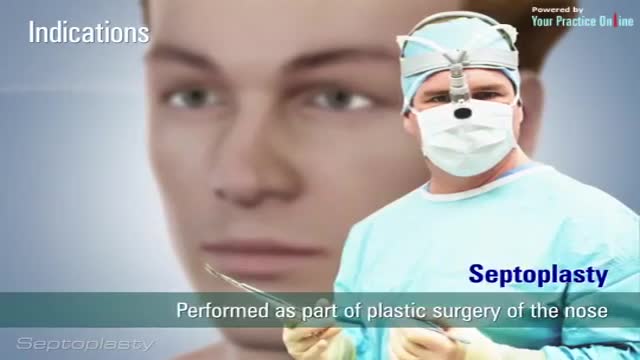
Septoplasty (SEP-toe-plas-tee) is a surgical procedure to correct a deviated septum — a displacement of the bone and cartilage that divides your two nostrils. During septoplasty, your nasal septum is straightened and repositioned in the middle of your nose.
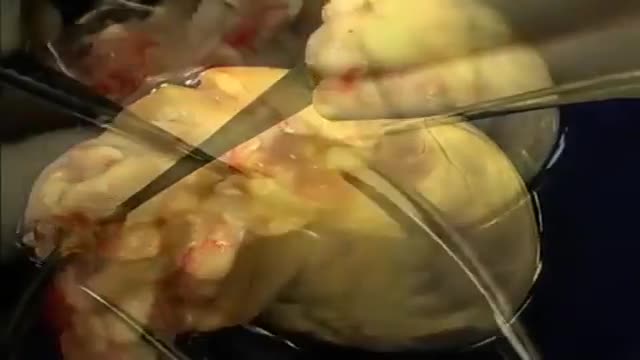
The first operation is harvesting the heart from the donor. The donor is usually an unfortunate person who has suffered irreversible brain injury, called "brain death". Very often these are patients who have had major trauma to the head, for example, in an automobile accident. The victim's organs, other than the brain, are working well with the help of medications and other "life support" that may include a respirator or other devices. A team of physicians, nurses, and technicians goes to the hospital of the donor to remove donated organs once brain death of the donor has been determined. The removed organs are transported on ice to keep them alive until they can be implanted. For the heart, this is optimally less than six hours. So, the organs are often flown by airplane or helicopter to the recipient's hospital.
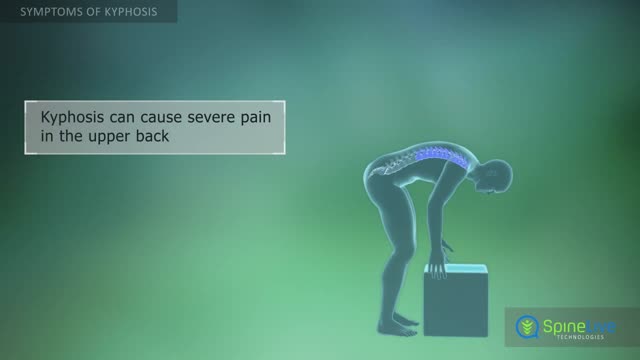
Kyphosis, also known as a round back or hunchback, is a condition in which the spine in the upper back has an excessive curvature. The upper back, or thoracic region of the spine, is supposed to have a slight natural curve.
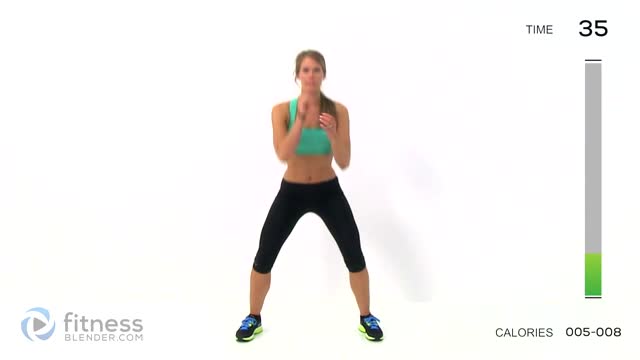
5 Minute Butt and Thigh Workout for a Bigger Butt - Exercises to Lift and Tone Your Butt and Thighs
Immunomodulating effect of autohaemotherapy (a literature review). PMID 3534085 [PubMed indexed for MEDLINE]
J Hyg Epidemiol Microbiol Immunol. 1986;30(3):331-6.
Immunomodulating effect of autohaemotherapy (a literature review).
Klemparskaya NN, Shalnova GA, Ulanova AM, Kuzmina TD, Chuhrov AD.
Abstract
An analysis is presented of experimental and clinical data from different authors on the stimulating effect of autohaemotherapy with regard to the immunological reactivity of humans and animals as well as in vitro experiments with lymphocytes. Erythrolysate has been found to exert a more powerful effect than intact erythrocytes. The stimulating effect of autohaemotherapy on both irradiated and non-irradiated animals manifests itself in an increase in resistance to infection (increased LD50 in experimental infection), enhanced production of antibodies to microbial and tissue antigens and activated functioning of cell-mediated immune defence mechanisms. The favourable influences on radioresistance and the antitumour effect of authohaemotherapy are described. Induced desensitization plays an important part in the mechanism of action of autohaemotherapy. The administration of large doses of erythrocytes or of erythrolysate results in immunosuppression. Autohaemotherapy does not cause side effects and is feasible both on an in-and out-patient basis.
PMID: 3534085
[PubMed - indexed for MEDLINE]
http://www.ncbi.nlm.nih.gov/pubmed/3534085
Autohemotherapy: an immunization with our own blood
http://www.geocities.ws/autohemoterapiabr/
http://autohemoterapia.fortunecity.com/
http://www.geocities.ws/autohemoterapiabr/aht_english.htm
http://autohemoterapia.fortunecity.com/aht_english.htm
-
Auto-hemotherapy PDF files in GOOGLE sites:
https://sites.google.com/site/autohemotherapy/
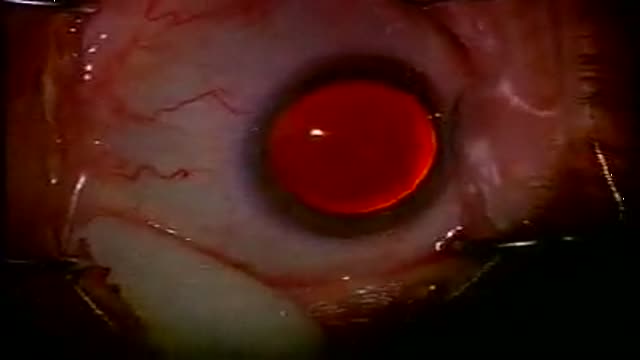
Unedited Cataract Surgery 3
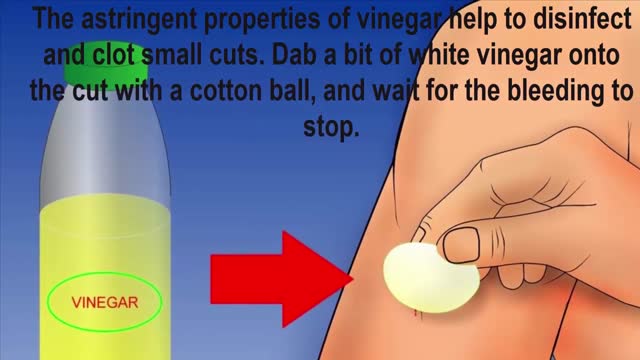
Injuries and certain medical conditions can result in bleeding. This can trigger anxiety and fear, but bleeding has a healing purpose. Still, you need to understand how to treat common bleeding incidents, like cuts and bloody noses, as well as when to seek medical help.

laser hair removal in qatar
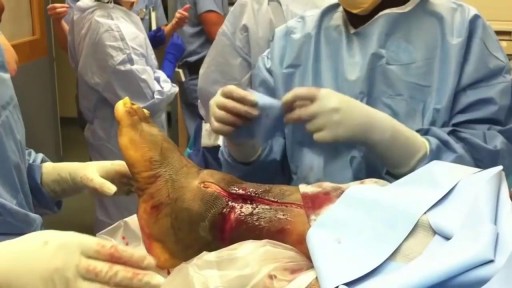
Large Leg Abscess
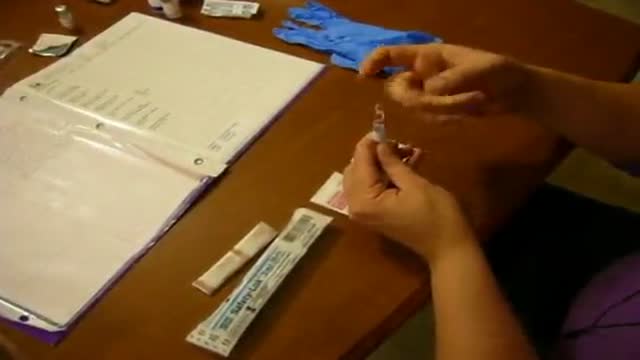
Drawing from an Ampoule
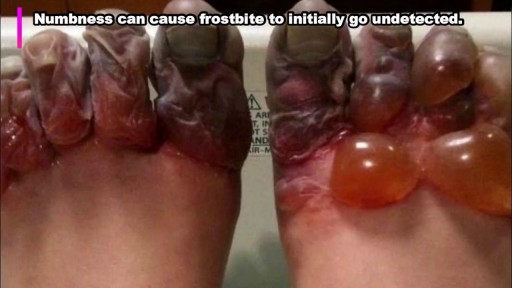
rostbite refers to the freezing of body tissue (usually skin) that results when the blood vessels contract, reducing blood flow and oxygen to the affected body parts. Normal sensation is lost, and color changes also occur in these tissues.
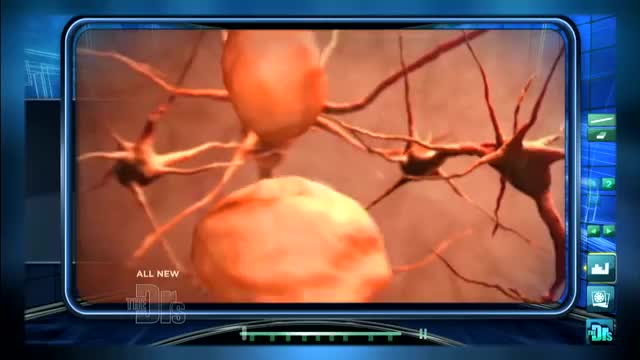
Memory Loss & the Brain. It's not just a movement disorder. Besides causing tremors and other motion-related symptoms, Parkinson's disease affects memory, learning, and behavior. Parkinson's disease is notorious for so-called motor symptoms like muscle rigidity, tremor, slowed movement, and unsteady posture and gait.
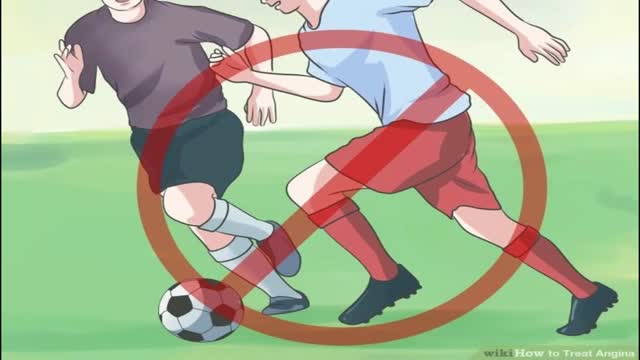
Your doctor says your chest pain (angina) is caused by blockages in your heart arteries and that you need to get those blockages taken care of. What are your options? First, it's important to determine what type of angina you have. Different types of angina may need different treatments. Common types of angina are chronic stable angina — a type of angina that occurs when your heart is working hard — and unstable angina, which is new chest pain or chest pain that is getting worse. Other types of angina include variant angina — a rare type of angina caused by a spasm in the coronary arteries — and microvascular angina, which can be a symptom of disease in the small coronary artery blood vessels. Unstable angina is a serious situation and requires emergency treatment. Treatment for unstable angina involves hospitalization with medications to stabilize your condition. Some people with unstable angina may require a procedure called angioplasty (also known as percutaneous coronary intervention), usually combined with the placement of a small metal tube called a stent. In some cases of unstable angina, heart surgery (coronary bypass surgery) may be needed. Generally, if you have mild stable angina that is controlled by medications, you may not need further treatments. If you're experiencing symptoms of chronic stable angina even after taking medications and making lifestyle changes, or if you're at higher risk of serious heart disease, your doctor may recommend angioplasty or coronary bypass surgery. Making a decision on how to treat your angina can be difficult, but knowing the benefits and risks of stents and medications may help you decide.

Achieving and maintaining long-term weight loss goals.
Laparoscopic Resection of Ovary Dermoid Cyst
Rheumatoid Arthritis Onset and Symptoms and general information
