
- Drug Guide
- Lab Values
- Vital Signs
- Muscles A–Z
- Clinical Signs
- Medical Abbreviations
- Medical Terminology
- Physical Examination
- Surgical Examination
- Ophthalmology
- Clinical Skills
- Orthopedics
- Surgery Videos
- Laparoscopy
- Pediatrics
- Funny Videos
- Cardiothoracic Surgery
- Nursing Videos
- Plastic Surgery
- Otorhinolaryngology
- Histology and Histopathology
- Neurosurgery
- Dermatology
- Pediatric Surgery
- Urology
- Dentistry
- Oncology and Cancers
- Anatomy Videos
- Health and Fitness
- Radiology
- Anaesthesia
- Physical Therapy
- Pharmacology
- Interventional Radiology
- Cardiology
- Endocrinology
- Gynecology
- Emergency Medicine
- Psychiatry and Psychology
- Childbirth Videos
- General Medical Videos
- Nephrology
- Physiology
- Diet and Food Health
- Diabetes Mellitus
- Neurology
- Women Health
- Osteoporosis
- Gastroenterology
- Pulmonology
- Hematology
- Rheumatology
- Toxicology
- Nuclear Medicine
- Infectious Diseases
- Vascular Disease
- Reproductive Health
- Burns and Wound Healing
- Kidney Zone Podcast
- Other
Top videos
The most-watched medical videos on MedicalVideos.com — ranked by views from our community of medical students, healthcare professionals, and patients learning how the body works.

The symptoms of bacterial overgrowth include nausea, flatus, constipation, bloating, abdominal distension, abdominal pain or discomfort, diarrhea, fatigue, and weakness. SIBO also causes an increased permeability of the small intestine. Some patients may lose weight.

stage of pregnancy 2016

Correcting fgm https://oddafrica.com/videos/female-genital-mutilation-in-africa/

Hepatitis B is a serious liver infection caused by the hepatitis B virus (HBV). For some people, hepatitis B infection becomes chronic, meaning it lasts more than six months. Having chronic hepatitis B increases your risk of developing liver failure, liver cancer or cirrhosis — a condition that causes permanent scarring of the liver. Most people infected with hepatitis B as adults recover fully, even if their signs and symptoms are severe. Infants and children are more likely to develop a chronic hepatitis B infection. A vaccine can prevent hepatitis B, but there's no cure if you have it. If you're infected, taking certain precautions can help prevent spreading HBV to others.

Tummy-tuck surgery or abdominoplasty, can flatten your abdomen by removing loose, excess fat and skin and tightening muscles in the abdominal wall. It can also remove some if not all of the stretch marks in your lower abdomen. It is popular following pregnancy, massive weight loss or whenever a flabby abdomen with weak muscles impairs body contour. Most patients report improved self-esteem as a result of this procedure.
Histology of Brain
Ankle Fracture Surgery Video
Blind loop syndrome (BLS), commonly referred to in the literature as small intestinal bacterial overgrowth (SIBO) or bacterial overgrowth syndrome (BOS), is a state that occurs when the normal bacterial flora of the small intestine proliferates to numbers that cause significant derangement to the normal physiological ...
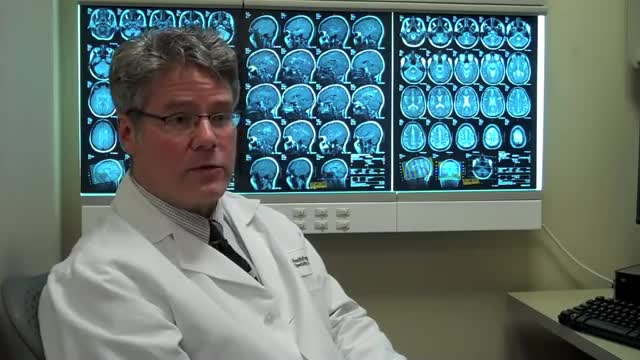
Here are seven ways to start reining in your risks today, before a stroke has the chance to strike. Lower blood pressure. ... Lose weight. ... Exercise more. ... Drink — in moderation. ... Treat atrial fibrillation. ... Treat diabetes. ... Quit smoking.

Surgeons at The Children’s Hospital of Philadelphia were the first to perform a bilateral hand transplant on a child. Our research and work in this groundbreaking field of medicine led us to establish the Hand Transplantation Program. Combining the expertise of the Penn Transplant Institute and the Hospital’s Division of Plastic and Reconstructive Surgery and Division of Orthopedics, the program aims to improve quality of life for children who may benefit from this procedure. This is Zion, one year after the surgery

Histology of Hyaline Cartilage
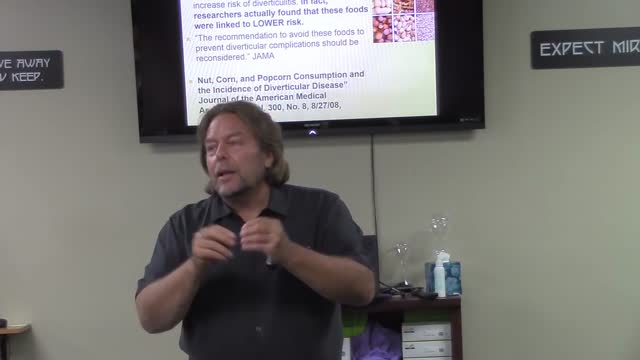
How to Reverse GERD and Leaky Gut

From the moment the baby weight starts to accumulate on our bodies, the scheming begins about how to drop the pounds once the little one arrives. After your baby is born and your days gradually begin to regain somewhat of a routine, it's time to put your ideas into action. If you're not sure exactly how to begin, here are seven proven steps for working your way back to your prepregnancy bod—or better!

For that matter, every healthcare professional undergoes this emotional hardship..
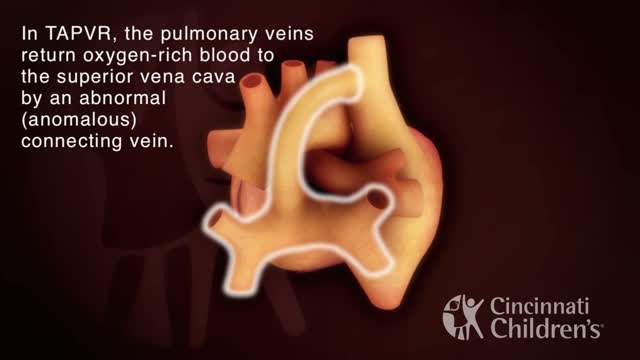
Total anomalous pulmonary venous return (TAPVR) is a rare congenital malformation in which pulmonary veins that return oxygen-rich blood from the lungs do not connect normally to the left atrium. Instead all four pulmonary veins drain abnormally to the right atrium. Heart models and animation were developed by the Cincinnati Children's Heart Institute in conjunction with Cincinnati Children's Critical Care Media Lab.
With so many antibiotics available, it isn't possible to list all of them here. But common antibiotics that are generally considered safe during pregnancy include penicillins (such as amoxicillin and ampicillin), cephalosporins (such as cephalexin), and erythromycin.

Cervicitis is an inflammation of the cervix, the lower, narrow end of the uterus that opens into the vagina. Possible symptoms of cervicitis include bleeding between menstrual periods, pain with intercourse or during a cervical exam, and abnormal vaginal discharge. However, it's also possible to have cervicitis and not experience any signs or symptoms. Often, cervicitis results from a sexually transmitted infection, such as chlamydia or gonorrhea. Cervicitis can develop from noninfectious causes, too. Successful treatment of cervicitis involves treating the underlying cause of the inflammation.

Dumping syndrome is a condition that can develop after surgery to remove all or part of your stomach or after surgery to bypass your stomach to help you lose weight. Also called rapid gastric emptying, dumping syndrome occurs when food, especially sugar, moves from your stomach into your small bowel too quickly. Most people with dumping syndrome develop signs and symptoms, such as abdominal cramps and diarrhea, 10 to 30 minutes after eating. Other people have symptoms one to three hours after eating, and still others have both early and late symptoms. Generally, you can help prevent dumping syndrome by changing your diet after surgery. Changes might include eating smaller meals and limiting high-sugar foods. In more-serious cases o
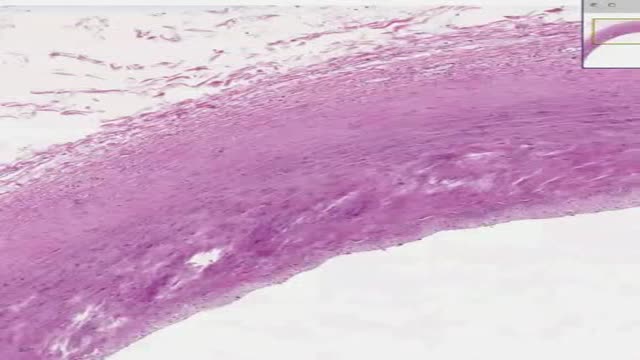
Histology of Large Artery
Medical Videos
Free medical and surgery videos for patients, students and professionals — trusted since 2007.
Founded by Dr. Mohamed Ibrahim, MD, PhD — physician-scientist.
Follow us on Facebook · Instagram