
- Physical Examination
- Surgical Examination
- Ophthalmology
- Clinical Skills
- Orthopedics
- Surgery Videos
- Laparoscopy
- Pediatrics
- Funny Videos
- Cardiothoracic Surgery
- Nursing Videos
- Plastic Surgery
- Otorhinolaryngology
- Histology and Histopathology
- Neurosurgery
- Dermatology
- Pediatric Surgery
- Urology
- Dentistry
- Oncology and Cancers
- Anatomy Videos
- Health and Fitness
- Radiology
- Anaesthesia
- Physical Therapy
- Pharmacology
- Interventional Radiology
- Cardiology
- Endocrinology
- Gynecology
- Emergency Medicine
- Psychiatry and Psychology
- Childbirth Videos
- General Medical Videos
- Nephrology
- Physiology
- Diet and Food Health
- Diabetes Mellitus
- Neurology
- Women Health
- Osteoporosis
- Gastroenterology
- Pulmonology
- Hematology
- Rheumatology
- Toxicology
- Nuclear Medicine
- Infectious Diseases
- Vascular Disease
- Reproductive Health
- Burns and Wound Healing
- Other
Top videos
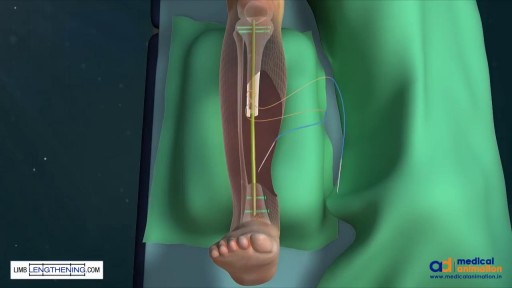

Tibial Bone Transport Over an Intramedullary Nail Using Cable and Pulleys

Hoover's sign of leg paresis is one of two signs named for Charles Franklin Hoover. It is a maneuver aimed to separate organic from non-organic paresis of the leg. The sign relies on the principle of synergistic contraction. ... Feeling this would indicate an organic cause of the paresis.

Pulsatile Tinnitus Cure, Constant Ear Ringing, Ear Wax Tinnitus, Whistling In Ear, Ringing In Ears. http://tinnitus-solution.info-pro.co First the good news - we know what causes tinnitus. And now the bad news - conventional medical science cannot cure it. Not permanently at least. Sure enough, your doctor would suggest a few remedies, and it may seem to you that the noises you hear are going down. As a result, you begin to relax believing that a pesky problem has been resolved. But suddenly the sounds return again. This is a very common problem actually. So let us turn to the causes instead, and see whether we can try to solve the issue from this end. Here Are Some of the Most Common Causes of Tinnitus Exposure to noise - Did your mom always tell you in your younger days to turn down the volume? She was right. Exposure to loud noise can give you tinnitus. In fact, rock musicians, and those who work with them, or in night clubs often have it. Those who work in construction sites also have tinnitus. So turn down that volume while you still can. You could begin to hear all kinds of noises if you have been exposed to just a single high-pitched noise. Or it could be due to a continuous attack of loud noises close to your ear. This is what happens. Prolonged exposure to noise can damage the Cochlea and cause tinnitus. So if you cannot simply stay away from all that noise, at least get some protection. Use an ear plug when you can. Head injury - Take care of your head because a severe blow or a slight bang could make you hear the tinnitus noises. The head is of course one of the most sensitive parts of the human body. But some people cannot live without an injury, such as those who are into sports - boxers and football players. That's why athletes are more prone to a tinnitus attack. Even a dental surgery could make you hear them. Ear infections and other ear problems - An ear infection, and even sinus can lead to tinnitus as well. When there is an allergy or a sinus infection, the mucous thickens within the inner ear, and this causes more pressure. The extra pressure can lead to tinnitus. Meniere's disease, where the fluid level goes up inside the middle ear is another reason. It could even cause hearing loss. Prescription medications - Conventional drugs often cause side effects, and tinnitus is one of them. Actually, all kinds of drugs have been blamed for instigating this condition. Such as antibiotics like Aminoglycosides, Erythromycin and Vancomycin, Aspirin or medicines containing it. Anti inflammatory drugs like Advil, Aleve, Anaprox, Clinoril, Feldene, Indocin, Lodine and Motrin have also been blamed. Sometimes people heard noises after taking chemotherapy agents such as Cisplatin, Nitrogen Mustard and Vincristine. And some others have even blamed quinine and loop diuretics for this. or even the result of a virus or infection. but is in fact far more shocking that you’ve been led to believe. You’ll finally be able to concentrate on your life, rather that the incessant noise. You’ll be able to no longer live in fear of loud noises, of music, of cinemas. of having fun. The Tinnitus Scandal Revealed, A cure DOES exist. click here: http://tinnitus-solution.info-pro.co
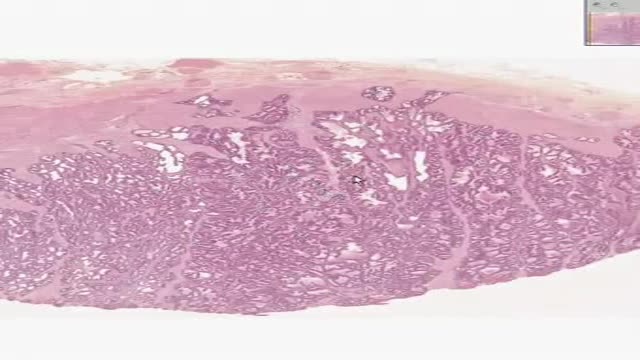
Histology of Prostate

http://www.landging.com/breast-enlargement-animation.html
Breast enlargement product animation designed for TV shopping.

Many women with hair loss suffer in silence, altering their hairstyle to hide thinning or patches. But the sooner you seek care, the better the chances of successfully treating it, says Mary Gail Mercurio, MD, associate professor of dermatology at the University of Rochester in Rochester, N.Y. It's not as uncommon as you may think: As many as 5% of women under 30 and 60% of those older than 70 are affected, she says. At the recent meeting of the American Academy of Dermatology in Miami Beach, Fla., Mercurio discussed common forms of hair loss in women and treatment options.
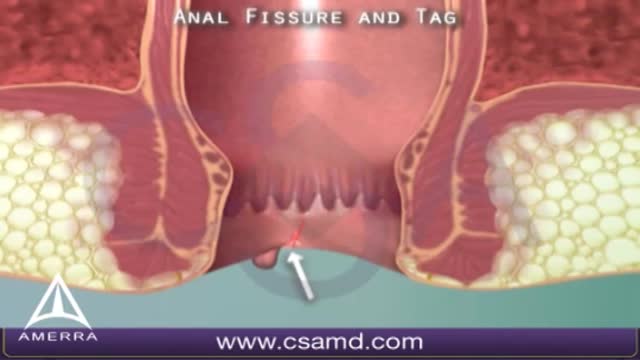
An anal fissure is a small tear in the thin, moist tissue (mucosa) that lines the anus. An anal fissure may occur when you pass hard or large stools during a bowel movement. Anal fissures typically cause pain and bleeding with bowel movements. You also may experience spasms in the ring of muscle at the end of your anus (anal sphincter). Anal fissures are very common in young infants but can affect people of any age. Most anal fissures get better with simple treatments, such as increased fiber intake or sitz baths. Some people with anal fissures may need medication or, occasionally, surgery.

A Cesarean section (C-section) is surgery to deliver a baby. The baby is taken out through the mother's abdomen. In the United States, almost one in three women has their babies this way. Some C-sections are planned, but many are done when unexpected problems happen during delivery. Reasons for a C-section may include

One of the most common parasites to infect human beings is the yeast-like Blastocystis hominis, a single-celled parasitic organism that causes abdominal cramping, bloating, gas, and sometimes anal itching. Other common parasites are: Tapeworms, which can grow as long as 60 feet while living in the human intestines.

Funny School Exam
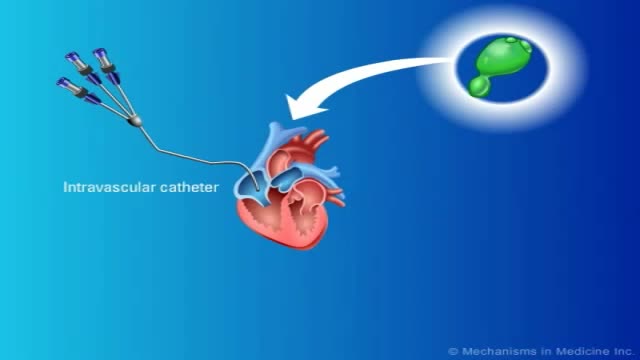
Fungal infections in bone marrow transplant patients. PURPOSE OF REVIEW: Invasive fungal infections have become the leading infectious cause of death in recipients of hematopoietic cell transplantation. Several factors have led to a renaissance in the study of invasive fungal infections.

With bone marrow disease, there are problems with the stem cells or how they develop: In leukemia, a cancer of the blood, the bone marrow makes abnormal white blood cells. In aplastic anemia, the bone marrow doesn't make red blood cells. In myeloproliferative disorders, the bone marrow makes too many white blood cells.Nov 22, 2016

Histology of Seminal Vescicles

50 Orgasms A Day

Effect of smoking,it's very dangerousAfter watch this video I hope smoker stop smoke now it is dangerously for human

systemic inflammatory response syndrome (SIRS). This is most likely secondary to sepsis from an infection of the patient's Hickman catheter given the associated skin findings, although culture results are needed to confirm this diagnosis. The patient's low blood pressure is likely secondary to developing septic shock, and he has already appropriately been treated with intravenous fluids. Catheter removal is indicated given his hemodynamic instability. Catheter removal is also indicated in patients with severe sepsis with organ hypoperfusion, endocarditis, suppurative thrombophlebitis, or persistent bacteremia after 72 hours of appropriate antibiotic therapy. Long term catheters should also be removed if culture results are positive for S. aureus, P. aeruginosa, fungi, or mycobacteria.
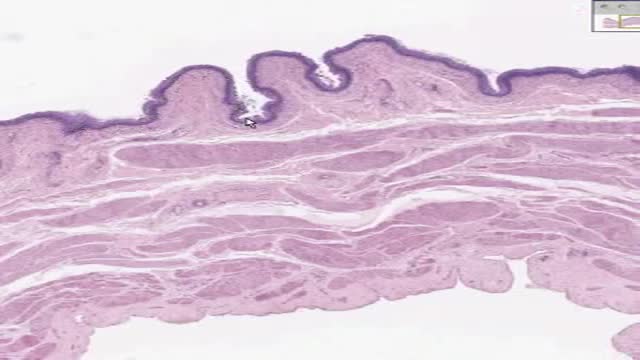
Histology of Urinary Bladder
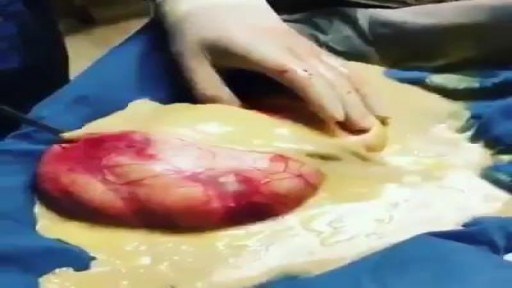
Teratomas are tumors made up of tissues, such as hair, muscle, and bone. They occur most often in the ovaries in women, and the testicles in men. They may be benign or malignant. Symptoms vary depending on the location. A painful lump or swelling may be apparent. Some babies have a mass that can be seen on an ultrasound before birth. Treatment often involves surgery. In rare cases when a teratoma is malignant, chemotherapy or radiation may be needed.

The arm and leg muscles are affected later. Myasthenia gravis (MG) is an autoimmune disease — a disease that occurs when the immune system attacks the body's own tissues. In MG, that attack interrupts the connection between nerve and muscle — the neuromuscular junction.

Learn what tests can be used to screen and diagnose syphilis as well as how to treat and prevent the infection.
