- Physical Examination
- Surgical Examination
- Ophthalmology
- Clinical Skills
- Orthopedics
- Surgery Videos
- Laparoscopy
- Pediatrics
- Funny Videos
- Cardiothoracic Surgery
- Nursing Videos
- Plastic Surgery
- Otorhinolaryngology
- Histology and Histopathology
- Neurosurgery
- Dermatology
- Pediatric Surgery
- Urology
- Dentistry
- Oncology and Cancers
- Anatomy Videos
- Health and Fitness
- Radiology
- Anaesthesia
- Physical Therapy
- Pharmacology
- Interventional Radiology
- Cardiology
- Endocrinology
- Gynecology
- Emergency Medicine
- Psychiatry and Psychology
- Childbirth Videos
- General Medical Videos
- Nephrology
- Physiology
- Diet and Food Health
- Diabetes Mellitus
- Neurology
- Women Health
- Osteoporosis
- Gastroenterology
- Pulmonology
- Hematology
- Rheumatology
- Toxicology
- Nuclear Medicine
- Infectious Diseases
- Vascular Disease
- Reproductive Health
- Burns and Wound Healing
- Kidney Zone Podcast
- Other
Tonsils
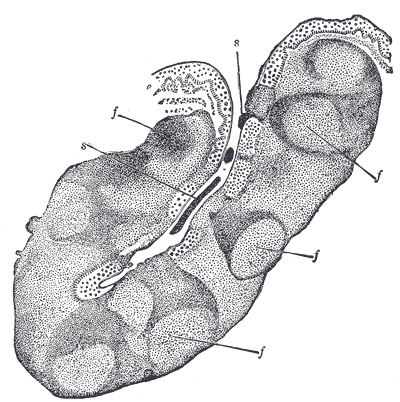
Gray's Anatomy (1918) plate, public domain
The tonsils are two oval masses of lymphoid tissue sitting in pockets at the sides of the back of the throat. Together with the adenoids (behind the nose), the lingual tonsil (on the tongue base) and smaller collections, they form Waldeyer's ring — immune sentinels sampling everything swallowed or inhaled. Their surfaces are folded into crypts that trap material for immune inspection. They are most active in childhood and shrink after puberty.
Key facts
- Tonsil crypts increase the surface for sampling microbes — but also trap debris that can form tonsil stones.
- The tonsils have no incoming lymph vessels; they sample directly from the throat surface.
- They produce antibodies, particularly IgA, for mucosal defence.
- One tonsil being persistently larger than the other in an adult is a reason for specialist review.
What can go wrong
Inflammation (tonsillitis) causes sore throat, fever and painful swallowing; most episodes are viral, some bacterial (strep). Recurrent severe tonsillitis, or tonsils so large they obstruct sleep breathing (with the adenoids), are the usual reasons tonsils are removed. A collection of pus beside the tonsil (quinsy) causes one-sided pain and difficulty opening the mouth and needs drainage.
Related procedures & tests
Related symptoms
Related muscles
Frequently asked questions
Do you need your tonsils?
They contribute to immune sampling in childhood, but removal does not measurably weaken overall immunity — other lymphoid tissue takes over, which is why tonsillectomy is safe when indicated.
What are tonsil stones?
Small, pale, crumbly deposits of debris and bacteria that lodge in the tonsil crypts; they are harmless but can cause bad breath and a feeling of something stuck.
Educational information only. This atlas explains normal anatomy and describes conditions in general terms; it is not medical advice and does not replace assessment by a qualified clinician. If you have symptoms that worry you, seek medical care.