- Physical Examination
- Surgical Examination
- Ophthalmology
- Clinical Skills
- Orthopedics
- Surgery Videos
- Laparoscopy
- Pediatrics
- Funny Videos
- Cardiothoracic Surgery
- Nursing Videos
- Plastic Surgery
- Otorhinolaryngology
- Histology and Histopathology
- Neurosurgery
- Dermatology
- Pediatric Surgery
- Urology
- Dentistry
- Oncology and Cancers
- Anatomy Videos
- Health and Fitness
- Radiology
- Anaesthesia
- Physical Therapy
- Pharmacology
- Interventional Radiology
- Cardiology
- Endocrinology
- Gynecology
- Emergency Medicine
- Psychiatry and Psychology
- Childbirth Videos
- General Medical Videos
- Nephrology
- Physiology
- Diet and Food Health
- Diabetes Mellitus
- Neurology
- Women Health
- Osteoporosis
- Gastroenterology
- Pulmonology
- Hematology
- Rheumatology
- Toxicology
- Nuclear Medicine
- Infectious Diseases
- Vascular Disease
- Reproductive Health
- Burns and Wound Healing
- Kidney Zone Podcast
- Other
Lymphatic Vessels
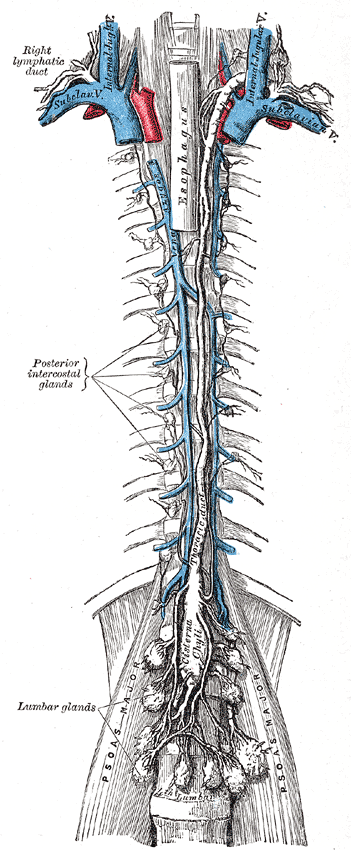
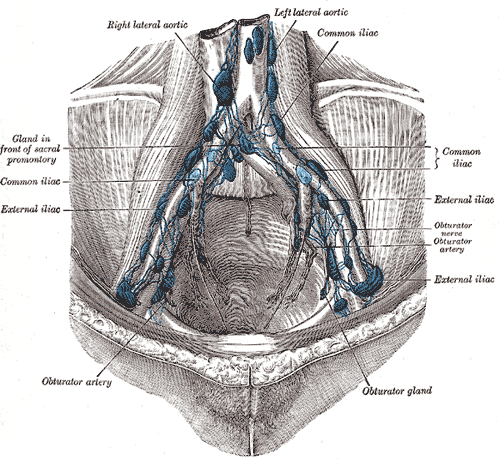
Gray's Anatomy (1918) plate, public domain
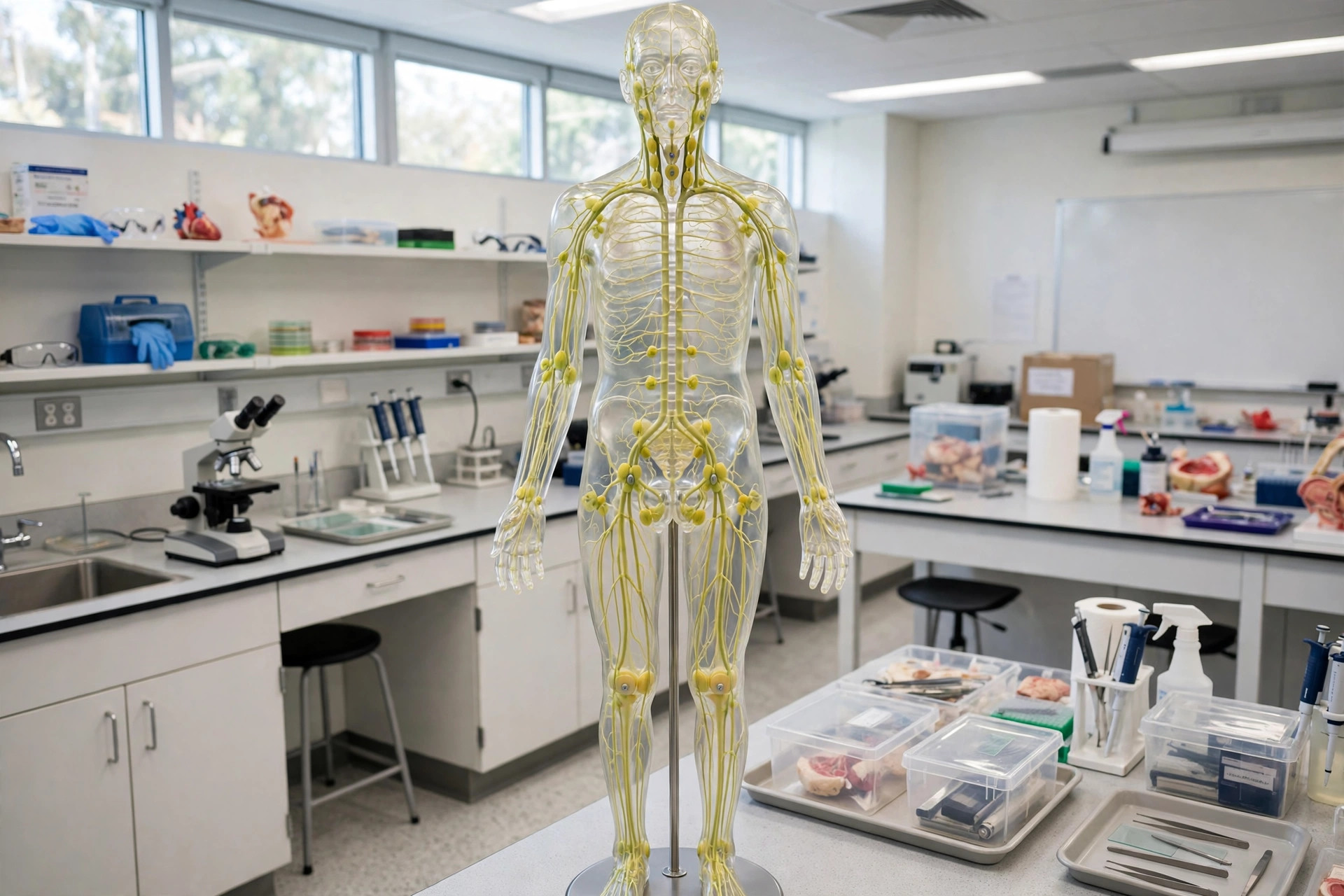
Lymphatic vessels form a one-way drainage network that collects the fluid constantly leaking from blood capillaries into the tissues — about 8 litres a day — and returns it to the bloodstream. Starting as blind-ended capillaries, they merge into valved vessels that pass through lymph nodes and finally empty into the large veins at the base of the neck. They also carry absorbed dietary fat from the gut and transport immune cells.
Key facts
- Lymph is moved not by a central pump but by muscle movement, breathing and valves that prevent backflow.
- The vessels of the gut (lacteals) turn milky after a fatty meal as they carry absorbed fat.
- Lymph from the lower body, abdomen and left side of the chest and head drains through one main channel, the thoracic duct.
- Their walls are unusually permeable, letting them swallow proteins and particles too large for blood capillaries.
What can go wrong
When lymph drainage fails — after node removal or radiotherapy for cancer, from infection (such as filariasis in the tropics), or rarely from birth — fluid accumulates as lymphoedema: persistent limb swelling that needs compression and skin care. Injured thoracic ducts can leak milky fluid into the chest (chylothorax). Cancer spreads along these vessels to regional nodes, which is why node status guides treatment.
Related conditions
Related procedures & tests
Related symptoms
Frequently asked questions
Why does lymphoedema not pit like other swelling?
Long-standing lymphoedema is rich in protein and later in fibrous tissue, so it becomes firmer and less compressible than the watery swelling of heart or kidney causes.
What is the thoracic duct?
The largest lymphatic vessel, draining most of the body up through the chest to empty into the veins at the left side of the neck.
Educational information only. This atlas explains normal anatomy and describes conditions in general terms; it is not medical advice and does not replace assessment by a qualified clinician. If you have symptoms that worry you, seek medical care.