- Physical Examination
- Surgical Examination
- Ophthalmology
- Clinical Skills
- Orthopedics
- Surgery Videos
- Laparoscopy
- Pediatrics
- Funny Videos
- Cardiothoracic Surgery
- Nursing Videos
- Plastic Surgery
- Otorhinolaryngology
- Histology and Histopathology
- Neurosurgery
- Dermatology
- Pediatric Surgery
- Urology
- Dentistry
- Oncology and Cancers
- Anatomy Videos
- Health and Fitness
- Radiology
- Anaesthesia
- Physical Therapy
- Pharmacology
- Interventional Radiology
- Cardiology
- Endocrinology
- Gynecology
- Emergency Medicine
- Psychiatry and Psychology
- Childbirth Videos
- General Medical Videos
- Nephrology
- Physiology
- Diet and Food Health
- Diabetes Mellitus
- Neurology
- Women Health
- Osteoporosis
- Gastroenterology
- Pulmonology
- Hematology
- Rheumatology
- Toxicology
- Nuclear Medicine
- Infectious Diseases
- Vascular Disease
- Reproductive Health
- Burns and Wound Healing
- Kidney Zone Podcast
- Other
Lymph Nodes
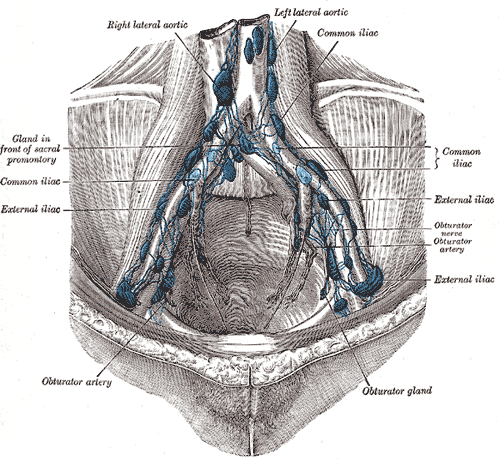
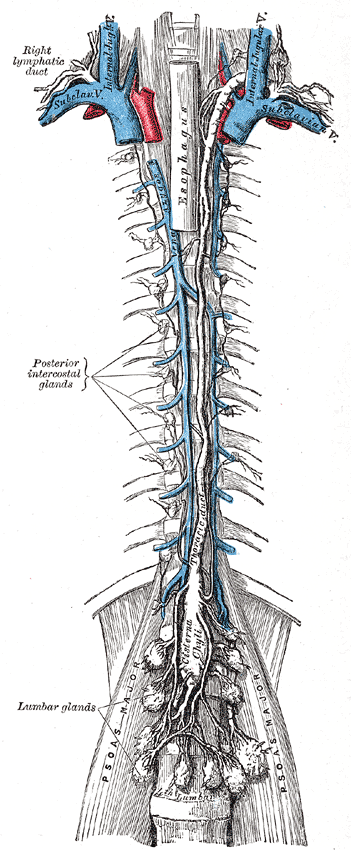
Gray's Anatomy (1918) plate, public domain
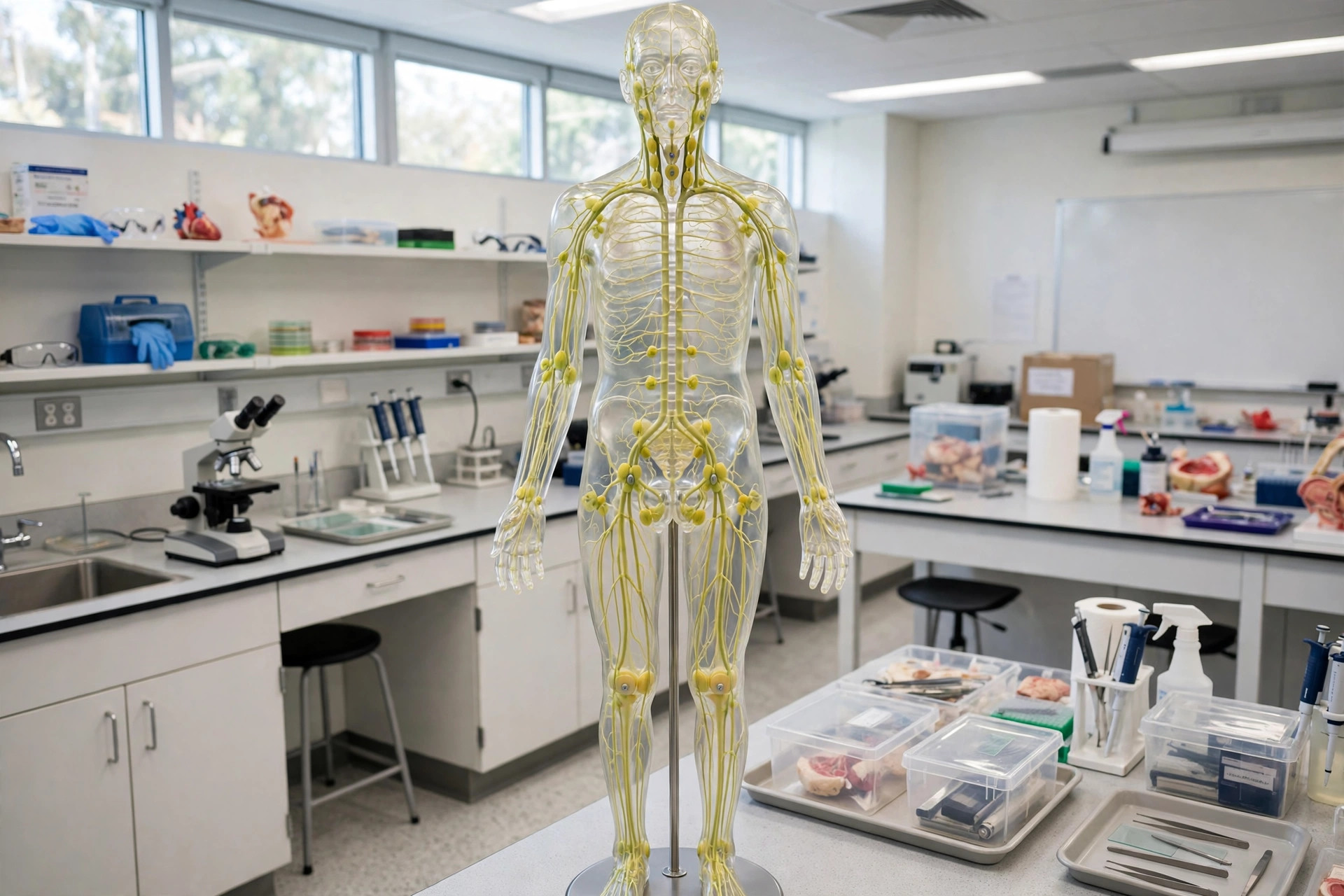
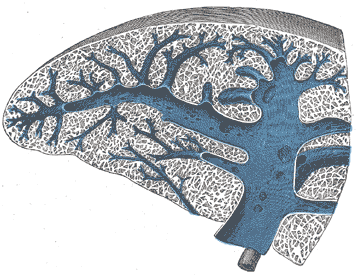
Lymph nodes are small bean-shaped filters stationed along the lymphatic vessels — 500-700 of them, clustered in the neck, armpits, groins, chest and abdomen. Lymph fluid percolates through a node, where immune cells inspect it for microbes and abnormal cells; when a threat is detected the node swells as lymphocytes multiply. Nodes also filter cancer cells travelling from a primary tumour, which is why they are checked and staged in cancer care.
Key facts
- Nodes draining an infected area swell first — neck nodes for a throat infection, armpit nodes for a hand infection.
- The fluid inside a node moves slowly, giving immune cells time to inspect it.
- A hard, fixed, painless node that keeps growing has a different significance from a soft, tender, mobile one and is assessed differently.
- The sentinel node is the first node draining a tumour, and its biopsy guides cancer staging.
What can go wrong
Swollen glands (lymphadenopathy) most often reflect local infection or inflammation and settle as it resolves. Persistent, generalised or very hard nodes can signal lymphoma, metastatic cancer, or infections such as tuberculosis or HIV. Assessment depends on size, duration, site and associated symptoms; ultrasound and needle or surgical biopsy are used when the cause is unclear.
Related conditions
Related procedures & tests
- Lymph node biopsy (core / excisional)
- Sentinel lymph node biopsy
- Fine needle aspiration (FNA) cytology
Related symptoms
Watch: related videos
Frequently asked questions
Why do glands swell when you are ill?
Lymphocytes inside the node multiply rapidly to fight the infection draining from the affected area, and increased blood flow and fluid make the node larger and tender.
When should a swollen node be checked?
If it persists beyond a few weeks, keeps growing, is hard or fixed, appears above the collarbone, or comes with fevers, night sweats or weight loss, it should be examined.
Educational information only. This atlas explains normal anatomy and describes conditions in general terms; it is not medical advice and does not replace assessment by a qualified clinician. If you have symptoms that worry you, seek medical care.