
- Physical Examination
- Surgical Examination
- Ophthalmology
- Clinical Skills
- Orthopedics
- Surgery Videos
- Laparoscopy
- Pediatrics
- Funny Videos
- Cardiothoracic Surgery
- Nursing Videos
- Plastic Surgery
- Otorhinolaryngology
- Histology and Histopathology
- Neurosurgery
- Dermatology
- Pediatric Surgery
- Urology
- Dentistry
- Oncology and Cancers
- Anatomy Videos
- Health and Fitness
- Radiology
- Anaesthesia
- Physical Therapy
- Pharmacology
- Interventional Radiology
- Cardiology
- Endocrinology
- Gynecology
- Emergency Medicine
- Psychiatry and Psychology
- Childbirth Videos
- General Medical Videos
- Nephrology
- Physiology
- Diet and Food Health
- Diabetes Mellitus
- Neurology
- Women Health
- Osteoporosis
- Gastroenterology
- Pulmonology
- Hematology
- Rheumatology
- Toxicology
- Nuclear Medicine
- Infectious Diseases
- Vascular Disease
- Reproductive Health
- Burns and Wound Healing
- Kidney Zone Podcast
- Other
ADHD
ADHD is a neurodevelopmental condition that affects attention, activity level, and impulse control. Its full name is attention deficit hyperactivity disorder, and it usually begins in childhood, often continuing into adult life. This page explains its symptoms, causes, and treatment in plain language, with videos to help you follow the key points.
✓ Medically reviewed by Dr. Mohamed Ibrahim, MD, PhD — physician-scientist · Last reviewed: November 2026
In short: In ADHD, the brain regulates attention and impulses differently, making focus, organisation, and sitting still genuinely harder. It is not caused by poor parenting. Assessment is specialist-led, and support, strategies, and medicines can make a substantial difference at school, work, and home.
Watch: ADHD videos



Read: the plain-language guide
Overview
ADHD affects how the brain manages attention, activity, and self-control. Some people mainly struggle with inattention, some mainly with hyperactivity and impulsivity, and many have a mixture of both. Symptoms begin in childhood, although they may only be recognised later, especially when inattention is the main feature, as often happens in girls. For many people the condition continues into adulthood, where restlessness may become an inner feeling and disorganisation the bigger problem. ADHD is a real, well-recognised condition, and with the right support its difficulties can be greatly reduced.
Symptoms
Inattention shows as losing track of tasks, making careless mistakes, misplacing things, forgetfulness, and difficulty organising or finishing work. Hyperactivity shows as fidgeting, being constantly on the go, and excessive talking. Impulsivity shows as interrupting, difficulty waiting a turn, and acting without thinking through consequences. In adults, common problems include missed deadlines, restlessness, poor time management, and frequent job or relationship strain. Symptoms are present in more than one setting, such as both home and school, and they interfere with daily life.
Causes & risk factors
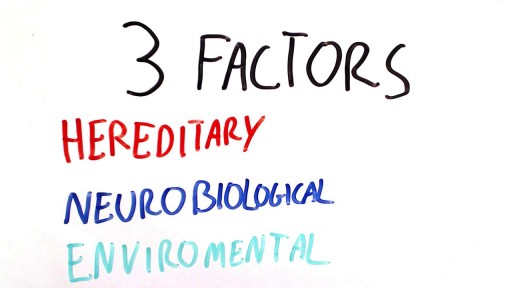
ADHD has a strong inherited component and reflects differences in how the brain develops and uses its signalling chemicals. It is not caused by bad parenting, too much sugar, or screen time, although lack of sleep and a chaotic routine can make symptoms harder to manage. Being born prematurely is linked with a higher likelihood of ADHD. No single cause explains the condition, and nothing a parent did or failed to do is known to bring it on.
How it's diagnosed
There is no single test for ADHD. Diagnosis is made by a specialist through a detailed assessment: a history of symptoms from childhood, reports from family or school, and structured questionnaires. The clinician checks that symptoms appear in more than one setting and are not better explained by another condition, such as anxiety, sleep problems, or thyroid disease. Adults seeking assessment are usually asked about their childhood as well as their current difficulties, sometimes with input from someone who knows them well.
Treatment overview
Treatment combines practical support with, in many cases, medicine. For children, parent training programmes and school adjustments, such as clear routines and breaking tasks into steps, are usually the first approach. Your specialist may offer medicine from the stimulant or non-stimulant groups, which can improve focus and reduce impulsivity; effects and side effects are monitored closely. Adults benefit from organisational strategies, workplace adjustments, and psychological support for related anxiety or low mood. Regular sleep, exercise, and routine help at every age.
When to seek care
Arrange an assessment if attention or behaviour problems are persistently affecting learning, work, safety, or family life. Seek prompt help for a child whose impulsivity is putting them in danger, and urgent help at any age if ADHD symptoms occur alongside thoughts of self-harm or severe depression.
Frequently asked questions
Do children grow out of ADHD?
Some children's symptoms lessen as they get older, but for many people ADHD continues into adult life in some form. Hyperactivity often fades more than inattention. Support needs change with age rather than simply disappearing.
Is ADHD caused by too much sugar or screen time?
No. Research does not show that sugar or screens cause ADHD, which is a neurodevelopmental condition with a strong genetic component. Poor sleep and overstimulation can worsen anyone's concentration, so regular routines still help symptoms, but they are not the cause.
Can adults be diagnosed with ADHD?
Yes. Adults can be assessed and diagnosed, including people whose ADHD was missed in childhood. Because ADHD begins in childhood, the assessment explores early symptoms as well as current ones, and treatment and workplace strategies can still help considerably in adult life.
Do ADHD medicines change a child's personality?
ADHD medicines aim to reduce symptoms such as inattention and impulsivity, not to change who a child is. Dose and response are monitored by the specialist, and if a child seems subdued or unlike themselves, the treatment should be reviewed and adjusted.
More in Mental Health
Related topics on MedicalVideos.com
Sources & further reading
Authoritative references for readers who want to go deeper:
This page is for general education only and is not medical advice. Only a formal specialist assessment can diagnose ADHD, because sleep problems, anxiety, thyroid disorders, and several other conditions can mimic its symptoms.