
- Physical Examination
- Surgical Examination
- Ophthalmology
- Clinical Skills
- Orthopedics
- Surgery Videos
- Laparoscopy
- Pediatrics
- Funny Videos
- Cardiothoracic Surgery
- Nursing Videos
- Plastic Surgery
- Otorhinolaryngology
- Histology and Histopathology
- Neurosurgery
- Dermatology
- Pediatric Surgery
- Urology
- Dentistry
- Oncology and Cancers
- Anatomy Videos
- Health and Fitness
- Radiology
- Anaesthesia
- Physical Therapy
- Pharmacology
- Interventional Radiology
- Cardiology
- Endocrinology
- Gynecology
- Emergency Medicine
- Psychiatry and Psychology
- Childbirth Videos
- General Medical Videos
- Nephrology
- Physiology
- Diet and Food Health
- Diabetes Mellitus
- Neurology
- Women Health
- Osteoporosis
- Gastroenterology
- Pulmonology
- Hematology
- Rheumatology
- Toxicology
- Nuclear Medicine
- Infectious Diseases
- Vascular Disease
- Reproductive Health
- Burns and Wound Healing
- Kidney Zone Podcast
- Other
Osteoporosis
Osteoporosis is a condition in which bones gradually lose strength and become more likely to break. It often develops silently, with no symptoms until a fracture occurs. This guide explains osteoporosis symptoms, causes, diagnosis and treatment in plain language, with videos that show bone health in action.
✓ Medically reviewed by Dr. Mohamed Ibrahim, MD, PhD — physician-scientist · Last reviewed: November 2026
In short: Osteoporosis means bones have lost density and strength over time, so they can break more easily, sometimes after a minor fall or strain. It is most common in older adults, especially after menopause. Treatment, exercise, nutrition and fall prevention can help protect bones.
Watch: Osteoporosis videos

Read: the plain-language guide
Overview
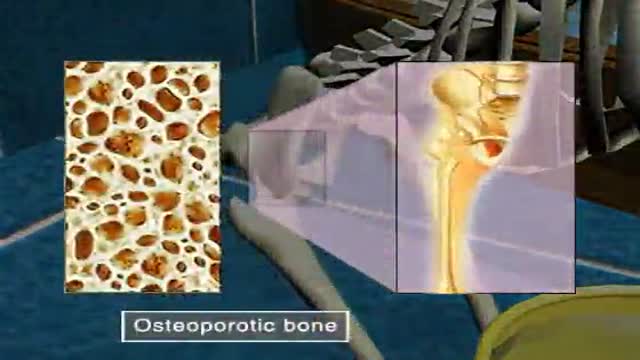
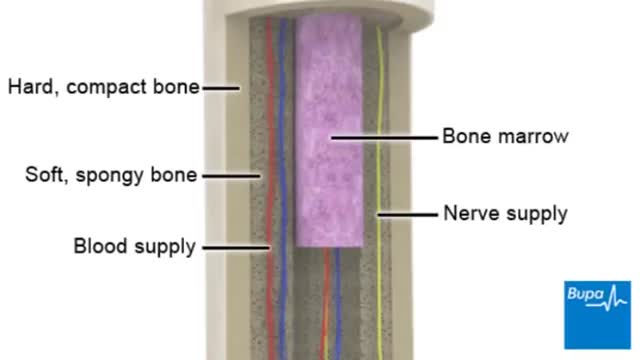
Bone is living tissue that is constantly broken down and rebuilt. In osteoporosis, bone loss happens faster than new bone is made, leaving bones thinner, more porous and weaker. The spine, hip and wrist are the areas most often affected. Many people first learn they have osteoporosis after breaking a bone from a fall that would not usually cause a fracture. Others are found to have low bone density on a scan before any break happens. With early attention, bone loss can often be slowed.
Symptoms
Osteoporosis itself usually causes no pain or obvious symptoms in its early stages, which is why it is sometimes called a silent condition. Signs may appear only after bones have weakened. These can include back pain from a fractured bone in the spine, loss of height over time, and a stooped posture. The clearest warning sign is a fracture after a minor fall or everyday movement, such as bending or coughing. Bone density testing therefore matters for people at higher risk.
Causes & risk factors
Bone density naturally peaks in early adulthood and slowly declines with age. The decline speeds up in women after menopause, when levels of estrogen, a hormone that helps protect bone, fall. Risk is higher with a family history of osteoporosis or hip fracture, a small body frame, and low calcium or vitamin D intake. Long-term use of certain medicines, such as steroid tablets, can also weaken bone. Smoking, drinking a lot of alcohol, low activity and some medical conditions, including thyroid and kidney problems, add to risk.
How it's diagnosed
Osteoporosis is usually diagnosed with a bone density scan called a DEXA or DXA scan. This painless test measures bone strength, most often at the hip and spine, and compares the result with that of a healthy young adult. A clinician may also review medical history, previous fractures, medicines and fall risk, and may arrange blood tests to check for other causes of bone loss, such as vitamin D deficiency. The results help guide treatment and monitoring decisions.
Treatment overview
Treatment aims to slow bone loss, strengthen bone where possible and prevent fractures. It usually combines lifestyle steps with medicines when a clinician judges the fracture risk to be high enough. Helpful steps include weight-bearing and muscle-strengthening exercise, enough calcium and vitamin D, not smoking and limiting alcohol. Medicines include several classes that slow bone breakdown, and others that help build new bone; the choice is individual and decided with a clinician. Preventing falls at home is also important.
When to seek care
Seek prompt medical care after any fall that causes strong pain, swelling or difficulty moving, as these may signal a fracture. Sudden severe back pain should also be checked, since it can come from a spinal fracture. People who notice height loss or a stooped posture should mention it at a routine visit, and anyone at higher risk can ask about a bone density scan.
Frequently asked questions
Can osteoporosis be reversed?
Lost bone cannot usually be fully restored, but treatment can often slow or stop further bone loss, and some medicines can modestly increase bone density. Exercise, nutrition and fall prevention also help. The main goal is to reduce the chance of fractures.
Who should have a bone density scan?
Bone density testing is commonly recommended for older women, and for other adults with risk factors such as a previous fracture from a minor fall, long-term steroid use, low body weight or a family history of hip fracture. Whether to test is an individual decision for a clinician discussion.
What foods help bone health?
A balanced diet with enough calcium and vitamin D supports bone health. Calcium is found in dairy foods, fortified plant drinks, leafy green vegetables, nuts and some fish eaten with their bones. Vitamin D comes from sunlight, oily fish and fortified foods.
Is exercise safe with osteoporosis?
Regular activity is generally encouraged because it helps maintain bone strength, muscle power and balance. Weight-bearing exercise such as walking, and resistance exercises using weights or bands, are commonly recommended. People who have had spinal fractures should ask which movements to avoid.
More in Bones/Joints/Muscles
Related topics on MedicalVideos.com
Sources & further reading
Authoritative references for readers who want to go deeper:
- MedlinePlus: Osteoporosis
- NHS: Osteoporosis
- Bone Health & Osteoporosis Foundation: Osteoporosis (Bone Health & Osteoporosis Foundation)
This page is for general education only and is not medical advice. A fracture after a minor fall, or sudden severe back pain, should be checked promptly, as these can be the first sign of weakened bones.