
- Physical Examination
- Surgical Examination
- Ophthalmology
- Clinical Skills
- Orthopedics
- Surgery Videos
- Laparoscopy
- Pediatrics
- Funny Videos
- Cardiothoracic Surgery
- Nursing Videos
- Plastic Surgery
- Otorhinolaryngology
- Histology and Histopathology
- Neurosurgery
- Dermatology
- Pediatric Surgery
- Urology
- Dentistry
- Oncology and Cancers
- Anatomy Videos
- Health and Fitness
- Radiology
- Anaesthesia
- Physical Therapy
- Pharmacology
- Interventional Radiology
- Cardiology
- Endocrinology
- Gynecology
- Emergency Medicine
- Psychiatry and Psychology
- Childbirth Videos
- General Medical Videos
- Nephrology
- Physiology
- Diet and Food Health
- Diabetes Mellitus
- Neurology
- Women Health
- Osteoporosis
- Gastroenterology
- Pulmonology
- Hematology
- Rheumatology
- Toxicology
- Nuclear Medicine
- Infectious Diseases
- Vascular Disease
- Reproductive Health
- Burns and Wound Healing
- Kidney Zone Podcast
- Other
Endometriosis
Endometriosis is a condition where tissue similar to the lining of the uterus grows outside the uterus, most often in the pelvis. It commonly causes pelvic pain, painful periods, and sometimes difficulty getting pregnant. This page explains endometriosis in plain language.
✓ Medically reviewed by Dr. Mohamed Ibrahim, MD, PhD — physician-scientist · Last reviewed: November 2026
In short: In endometriosis, tissue similar to the uterine lining grows in places it should not, such as on the ovaries or pelvic surfaces. It responds to monthly hormones, which can cause pain and inflammation. Treatment focuses on easing pain, slowing growth, and supporting fertility when needed.
Watch: Endometriosis videos
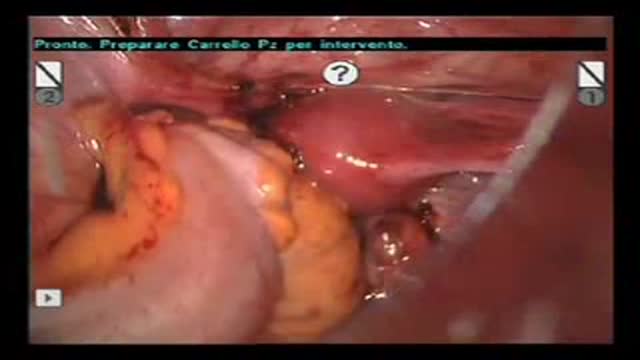
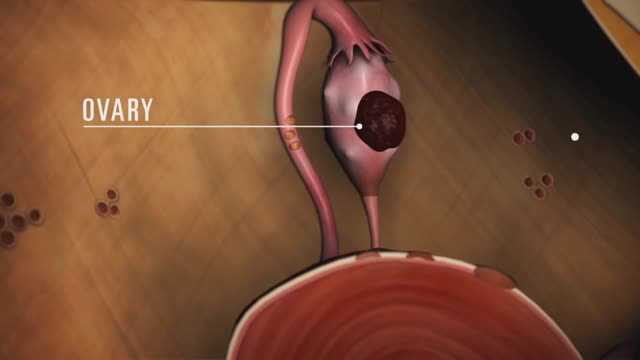
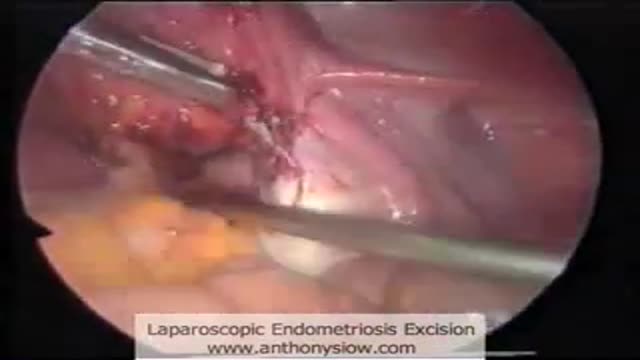
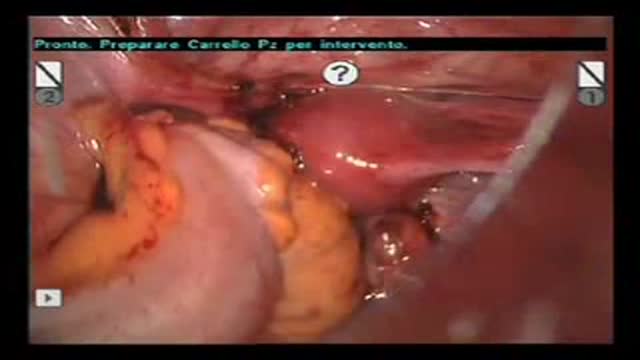
Read: the plain-language guide
Overview
Endometriosis is a long-term condition that mainly affects people during their reproductive years. The misplaced tissue behaves much like the uterine lining: it thickens and breaks down with the menstrual cycle, but it has no way to leave the body. This can lead to inflammation, scarring, and bands of scar tissue called adhesions. Endometriosis ranges from mild to extensive, and the amount of tissue does not always match the level of pain someone feels.
Symptoms
The main symptom is pelvic pain, often linked to periods. Periods may be very painful, and pain can also occur during sex, bowel movements, or urination, especially around menstruation. Some people have ongoing pelvic or lower back pain, heavy periods, and tiredness. Endometriosis can also make it harder to conceive. A smaller number of people have few or no symptoms, and the condition is found during tests for other reasons.
Causes & risk factors
The exact cause is not known. One leading idea is that menstrual blood flows backward through the fallopian tubes into the pelvis, carrying lining cells that implant and grow. Genetics also plays a role, as endometriosis often runs in families. The immune system and hormones, especially estrogen, appear to influence whether the tissue survives and grows. It is not contagious and is not caused by anything a person did.
How it's diagnosed
Diagnosis starts with a history of symptoms and a pelvic examination. Ultrasound can detect cysts on the ovaries linked to endometriosis, though it may miss smaller areas. MRI is sometimes used for deeper disease. The most certain way to confirm endometriosis is keyhole surgery called laparoscopy, where a clinician looks inside the pelvis and may take a small tissue sample. Diagnosis can take time because symptoms overlap with other conditions.
Treatment overview
There is no cure, but several treatments can control pain and slow the condition. Pain relief medicines and hormonal treatments, such as hormonal contraception or other hormone-suppressing medicines, are commonly used. Surgery can remove endometriosis tissue and scar tissue, particularly when medicines do not help or fertility is a concern. Treatment choices depend on symptoms, age, and pregnancy plans, and are decided individually with a clinician or specialist.
When to seek care
See a clinician if period pain regularly stops you from daily activities, painkillers do not help, or pain occurs outside periods. Seek prompt care for severe pelvic pain, fainting, or vomiting. Also seek advice if you have been trying to conceive without success, as endometriosis may be a factor.
Frequently asked questions
Is endometriosis the same as painful periods?
No. Some period discomfort is common, but endometriosis pain is often stronger, lasts longer, and may occur during sex or bowel movements. Pain that regularly disrupts work, school, or daily life deserves medical assessment rather than being assumed normal.
Can endometriosis affect fertility?
Yes, it can make conception harder, through inflammation, scarring, or cysts on the ovaries. Many people with endometriosis do conceive, sometimes naturally and sometimes with treatment or surgery. A fertility specialist can advise on options for your individual situation.
Does pregnancy cure endometriosis?
No. Symptoms often ease during pregnancy because periods stop, but this is temporary and not a treatment. After pregnancy, symptoms commonly return. Long-term management should be planned with a clinician based on symptoms and future pregnancy wishes.
Can endometriosis come back after surgery?
Yes, it can return after surgery, even when tissue was carefully removed. Hormonal treatment after surgery may lower the chance of recurrence for some people. Ongoing follow-up helps detect returning symptoms early and adjust the management plan as needed.
More in Women's Health
Related topics on MedicalVideos.com
Sources & further reading
Authoritative references for readers who want to go deeper:
- MedlinePlus: Endometriosis
- NHS: Endometriosis
- Office on Women's Health (U.S. Department of Health & Human Services): Endometriosis (Office on Women's Health (U.S. Department of Health & Human Services))
This page is for general education only and is not medical advice. Severe or worsening pelvic pain, fainting, or period pain that disrupts daily life should be assessed by a clinician promptly.