
- Physical Examination
- Surgical Examination
- Ophthalmology
- Clinical Skills
- Orthopedics
- Surgery Videos
- Laparoscopy
- Pediatrics
- Funny Videos
- Cardiothoracic Surgery
- Nursing Videos
- Plastic Surgery
- Otorhinolaryngology
- Histology and Histopathology
- Neurosurgery
- Dermatology
- Pediatric Surgery
- Urology
- Dentistry
- Oncology and Cancers
- Anatomy Videos
- Health and Fitness
- Radiology
- Anaesthesia
- Physical Therapy
- Pharmacology
- Interventional Radiology
- Cardiology
- Endocrinology
- Gynecology
- Emergency Medicine
- Psychiatry and Psychology
- Childbirth Videos
- General Medical Videos
- Nephrology
- Physiology
- Diet and Food Health
- Diabetes Mellitus
- Neurology
- Women Health
- Osteoporosis
- Gastroenterology
- Pulmonology
- Hematology
- Rheumatology
- Toxicology
- Nuclear Medicine
- Infectious Diseases
- Vascular Disease
- Reproductive Health
- Burns and Wound Healing
- Kidney Zone Podcast
- Other
HIV/AIDS
HIV is a virus that attacks the body's immune system, gradually weakening its ability to fight infections. HIV stands for human immunodeficiency virus. Without treatment, it can over many years lead to AIDS, the most advanced stage of HIV infection. This page explains its symptoms, causes, testing, and treatment in plain language, with videos to help you follow the key points.
✓ Medically reviewed by Dr. Mohamed Ibrahim, MD, PhD — physician-scientist · Last reviewed: November 2026
In short: HIV spreads through specific body fluids, not through everyday contact. Testing is straightforward, and modern antiretroviral treatment controls the virus so people can stay healthy for decades. When treatment keeps the virus undetectable, it cannot be passed on through sex.
Watch: HIV/AIDS videos

Read: the plain-language guide
Overview
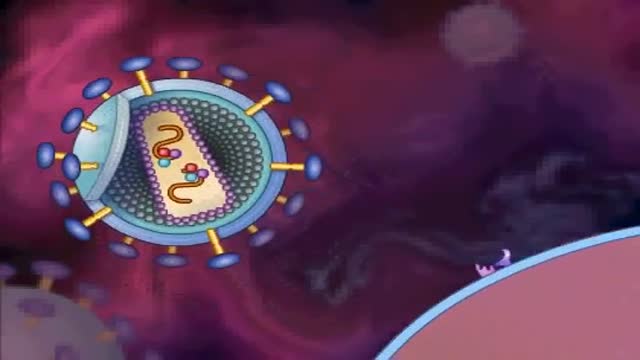
HIV targets a type of white blood cell called a CD4 cell, which coordinates the immune response. Over time, untreated infection lowers the number of these cells, leaving the body open to infections and cancers a healthy immune system would control. AIDS is the name for the advanced stage, when such illnesses appear. Antiretroviral treatment has transformed the picture: taken consistently, it suppresses the virus to undetectable levels, protects the immune system, and prevents sexual transmission, so HIV is now managed as a long-term condition when treatment starts in good time.
Symptoms
A few weeks after infection, many people develop a short flu-like illness with fever, sore throat, rash, and swollen glands, easily mistaken for flu. HIV then often causes no symptoms for years, even while it damages the immune system, which is why testing matters more than symptoms. Later signs include persistent tiredness, weight loss, night sweats, recurring infections, and swollen glands. Without treatment, serious infections and certain cancers eventually develop, marking the AIDS stage.
Causes & risk factors
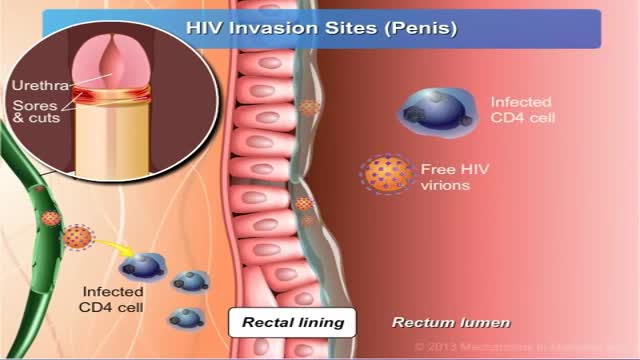
HIV passes from person to person in blood, semen, vaginal fluids, rectal fluids, and breast milk. The main routes are sex without a condom, sharing needles or other injecting equipment, and from mother to baby during pregnancy, birth, or breastfeeding when the mother is not on treatment. HIV is not spread by kissing, hugging, sharing food, toilet seats, or insect bites. Knowing the real routes helps counter the stigma that still surrounds the condition.
How it's diagnosed
HIV is diagnosed with a blood test that looks for antibodies and a viral protein; rapid and self-testing kits are also available. A test may not detect infection acquired in the previous few weeks, so after a recent risk your clinician may advise repeating the test later. Testing is recommended during pregnancy and for anyone who may have been exposed. A positive result is always confirmed with further tests, and prompt referral to specialist care follows, because starting treatment early gives the best long-term health.
Treatment overview
Treatment is antiretroviral therapy: a combination of medicines taken daily that stops the virus multiplying. There is no cure yet, but treatment keeps the virus undetectable and allows the immune system to recover. Care includes regular blood tests to check viral load and immune strength, and vaccination against other infections. Your clinician may also discuss preventive medicines for HIV-negative partners at ongoing risk, and condoms remain important protection against other sexually transmitted infections.
When to seek care
If you may have been exposed to HIV within the last 72 hours, seek medical care the same day, because preventive treatment after exposure is time-critical and must be started within that window. Arrange a test promptly after any possible exposure, and seek care for persistent fever, weight loss, or repeated infections if you have untreated HIV.
Frequently asked questions
Can HIV be spread by kissing or sharing a cup?
No. HIV is not spread by kissing, hugging, shaking hands, sharing cups, cutlery, or food, using the same toilet, or by insect bites. It passes only through specific body fluids: blood, sexual fluids, and breast milk.
What does undetectable mean?
Undetectable means treatment has lowered the amount of virus in the blood until standard tests cannot measure it. A person who stays undetectable on treatment remains healthy and cannot pass HIV on through sex, often summed up as undetectable equals untransmittable.
Can people with HIV have children safely?
Yes. With effective treatment that keeps the virus undetectable, and with specialist care during pregnancy and birth, the risk of passing HIV to a baby is extremely low. Planning a pregnancy with the HIV care team gives the safest outcome for parent and child.
Does treatment cure HIV?
No. Current treatment controls HIV but does not remove it from the body, so medicines need to be taken long term. Stopping treatment allows the virus to multiply again and damage the immune system, which is why consistent daily use and follow-up are essential.
More in Infections
Related topics on MedicalVideos.com
Sources & further reading
Authoritative references for readers who want to go deeper:
This page is for general education only and is not medical advice. Anyone who thinks they may have been exposed to HIV in the last 72 hours should seek medical care immediately, as preventive treatment after exposure only works when started within that window.