
- Physical Examination
- Surgical Examination
- Ophthalmology
- Clinical Skills
- Orthopedics
- Surgery Videos
- Laparoscopy
- Pediatrics
- Funny Videos
- Cardiothoracic Surgery
- Nursing Videos
- Plastic Surgery
- Otorhinolaryngology
- Histology and Histopathology
- Neurosurgery
- Dermatology
- Pediatric Surgery
- Urology
- Dentistry
- Oncology and Cancers
- Anatomy Videos
- Health and Fitness
- Radiology
- Anaesthesia
- Physical Therapy
- Pharmacology
- Interventional Radiology
- Cardiology
- Endocrinology
- Gynecology
- Emergency Medicine
- Psychiatry and Psychology
- Childbirth Videos
- General Medical Videos
- Nephrology
- Physiology
- Diet and Food Health
- Diabetes Mellitus
- Neurology
- Women Health
- Osteoporosis
- Gastroenterology
- Pulmonology
- Hematology
- Rheumatology
- Toxicology
- Nuclear Medicine
- Infectious Diseases
- Vascular Disease
- Reproductive Health
- Burns and Wound Healing
- Kidney Zone Podcast
- Other
Syphilis
Syphilis is a sexually transmitted infection caused by the bacterium Treponema pallidum. It develops in stages over months and years, and because its symptoms can be painless or mimic other conditions, it is easily missed. This page explains its symptoms, causes, testing, and treatment in plain language, with videos to help you follow the key points.
✓ Medically reviewed by Dr. Mohamed Ibrahim, MD, PhD — physician-scientist · Last reviewed: November 2026
In short: Syphilis begins with a painless sore, may progress to a widespread rash, and can silently damage the heart, brain, and nerves if left untreated. A simple blood test detects it, antibiotic treatment cures it, and partners need testing and treatment too.
Watch: Syphilis videos



Read: the plain-language guide
Overview
Syphilis unfolds in stages. In the primary stage, a painless sore appears where the bacteria entered the body. In the secondary stage, the infection spreads through the bloodstream, causing rash and flu-like symptoms. It then enters a latent stage with no symptoms at all, sometimes for years. In a minority of untreated cases, late syphilis damages the heart, brain, eyes, and nerves. Syphilis can also pass from a pregnant person to their baby, with serious consequences.
Symptoms
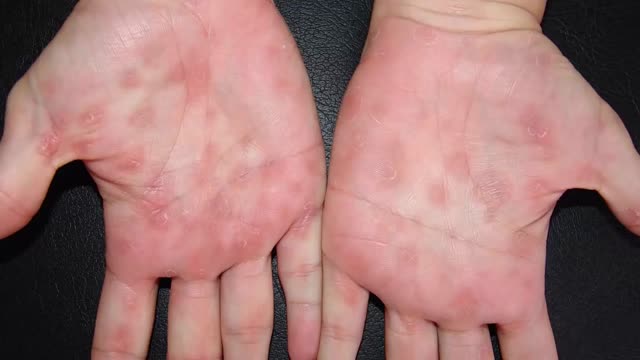
The first sign is usually a single painless sore, called a chancre, on the genitals, anus, or lips and mouth, which heals within a few weeks even without treatment. Secondary syphilis causes a rash that often includes the palms and soles, sore throat, patchy hair loss, fever, swollen glands, and wart-like growths in moist areas. These symptoms also fade on their own. Late disease can cause memory and thinking problems, vision and hearing changes, numbness, and heart problems, years after the original infection.
Causes & risk factors
Syphilis is passed on through direct contact with a syphilis sore during vaginal, anal, or oral sex. The bacteria enter through tiny breaks in skin or the moist linings of the genitals, rectum, and mouth. It can also pass from a pregnant person to their baby before or during birth. Syphilis is not caught from toilet seats, towels, baths, or shared cutlery, because the bacterium dies quickly outside the body. Having syphilis once does not protect against catching it again.
How it's diagnosed
Syphilis is diagnosed mainly with blood tests that detect the body's response to the infection; more than one type of test is often used, and repeat testing may be needed if the infection is very recent. A clinician may also examine any sore and take a sample from it. Testing is routinely offered in pregnancy to protect the baby. A full sexual health screen, including HIV testing, is usually recommended at the same time.
Treatment overview
Antibiotic treatment cures syphilis, and it is simplest and most effective in the early stages. The form of treatment depends on the stage of infection, and follow-up blood tests check that the infection has cleared. Treatment kills the bacteria but cannot undo organ damage that late syphilis has already caused, which is why early testing matters. Avoid sexual contact until your clinician confirms treatment is complete. Current and recent partners need testing and usually treatment too, even if they feel completely well; sexual health services can help notify partners discreetly.
When to seek care
Get tested promptly for any painless genital, anal, or mouth sore, or a rash that involves the palms and soles. Seek same-day assessment for any change in vision, eye pain, or sudden hearing loss, as syphilis can affect the eyes and ears. Anyone who is pregnant should take up the routine syphilis test offered early in pregnancy.
Frequently asked questions
Can syphilis be cured?
Yes. Antibiotic treatment cures syphilis at any stage by killing the bacteria. However, treatment cannot reverse damage the infection has already done to organs in late disease, so testing and treatment as early as possible gives the best outcome.
The sore healed on its own, so am I fine now?
No. The first syphilis sore always heals by itself, but the infection remains in the body and progresses to later stages without treatment. A healed painless sore is a reason to get tested, not a reason to assume the problem has gone.
Can you catch syphilis again after treatment?
Yes. Successful treatment does not make you immune, and you can catch syphilis again through contact with a new sore. Using condoms reduces the risk, and regular testing is sensible for anyone with new or multiple partners.
Why do my partners need treatment if they feel well?
Partners need testing and usually treatment because syphilis often causes no symptoms while still being infectious and capable of causing harm. Treating partners also protects you: without it, the infection can simply be passed back after your own treatment.
More in Infections
Related topics on MedicalVideos.com
Sources & further reading
Authoritative references for readers who want to go deeper:
This page is for general education only and is not medical advice. A painless genital sore should never be ignored: syphilis sores heal on their own even though the infection remains in the body and can progress to damage the heart, brain, and nerves.