
- Physical Examination
- Surgical Examination
- Ophthalmology
- Clinical Skills
- Orthopedics
- Surgery Videos
- Laparoscopy
- Pediatrics
- Funny Videos
- Cardiothoracic Surgery
- Nursing Videos
- Plastic Surgery
- Otorhinolaryngology
- Histology and Histopathology
- Neurosurgery
- Dermatology
- Pediatric Surgery
- Urology
- Dentistry
- Oncology and Cancers
- Anatomy Videos
- Health and Fitness
- Radiology
- Anaesthesia
- Physical Therapy
- Pharmacology
- Interventional Radiology
- Cardiology
- Endocrinology
- Gynecology
- Emergency Medicine
- Psychiatry and Psychology
- Childbirth Videos
- General Medical Videos
- Nephrology
- Physiology
- Diet and Food Health
- Diabetes Mellitus
- Neurology
- Women Health
- Osteoporosis
- Gastroenterology
- Pulmonology
- Hematology
- Rheumatology
- Toxicology
- Nuclear Medicine
- Infectious Diseases
- Vascular Disease
- Reproductive Health
- Burns and Wound Healing
- Kidney Zone Podcast
- Other
Rheumatoid Arthritis
Rheumatoid arthritis is an autoimmune condition in which the immune system inflames the joints, causing pain, swelling, and stiffness. This page explains its symptoms, causes, and treatment in plain language, with videos to help you understand the condition.
✓ Medically reviewed by Dr. Mohamed Ibrahim, MD, PhD — physician-scientist · Last reviewed: November 2026
In short: Unlike wear-and-tear arthritis, rheumatoid arthritis is driven by immune-system inflammation that can damage joints and affect other parts of the body. Early diagnosis and modern disease-modifying treatment greatly improve outcomes and help protect the joints.
Watch: Rheumatoid Arthritis videos


Read: the plain-language guide
Overview
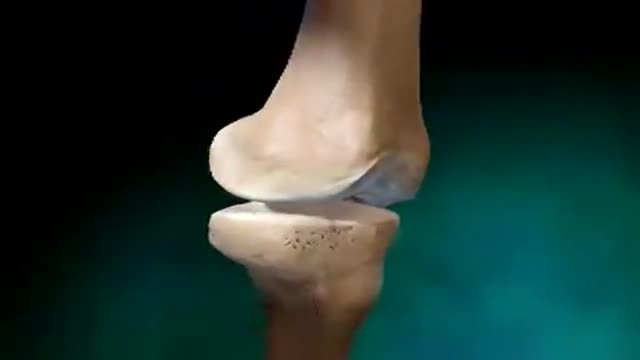
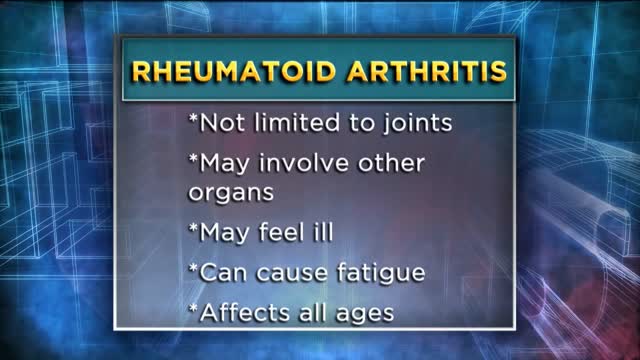
In rheumatoid arthritis, the immune system mistakenly targets the lining of the joints, called the synovium. The lining becomes inflamed and thickened, producing pain and swelling, and over time the inflammation can damage cartilage, bone, and surrounding tendons. The condition usually affects joints symmetrically, often starting in the small joints of the hands and feet. It is a systemic disease, meaning it can also affect the eyes, lungs, heart, and blood vessels, and cause general symptoms such as fatigue. Early, sustained control of inflammation is the key goal of modern care.
Symptoms
Typical symptoms are pain, swelling, warmth, and stiffness in multiple joints, often on both sides of the body. Stiffness is characteristically worst in the morning and after rest, often lasting well over half an hour. Many people feel generally unwell, tired, and may lose appetite or weight during active phases. Firm lumps called rheumatoid nodules can appear under the skin, commonly near the elbows. Symptoms tend to flare and settle, but untreated inflammation continues to cause damage even when pain seems manageable, which is why ongoing monitoring matters.
Causes & risk factors
The exact cause is unknown, but rheumatoid arthritis arises from a combination of genetic susceptibility and environmental influences. Certain inherited gene variants increase risk, and smoking is a well-established environmental factor that raises risk and can worsen the disease. Hormonal and other factors may help explain why the condition is more common in women. Infections and other triggers have been studied, but no single cause has been proven. Importantly, rheumatoid arthritis is not caused by wear and tear, cold weather, or anything a person did to their joints through normal activity.
How it's diagnosed
Diagnosis combines the pattern of joint symptoms and examination with blood tests. Tests may show markers of inflammation, and specific antibodies linked to rheumatoid arthritis can support the diagnosis, though some people with the condition test negative for them. X-rays or ultrasound may show joint inflammation or early damage. Because early treatment protects joints, clinicians aim to assess suspected cases quickly, and referral to a rheumatologist is usual. Other causes of joint inflammation, such as infections or other autoimmune conditions, are considered and excluded during assessment.
Treatment overview
Treatment centers on disease-modifying medicines that calm the immune-driven inflammation and prevent joint damage, rather than pain relief alone. These include conventional medicines and, for many people, newer biologic or targeted therapies chosen by a specialist. Short-term anti-inflammatory medicines or steroids may ease symptoms while longer-term treatment takes effect. Physiotherapy, occupational therapy, exercise, and joint protection strategies support function, and stopping smoking is strongly advised. Regular monitoring of disease activity, blood tests, and side effects is part of care, and treatment is adjusted to aim for remission or low disease activity.
When to seek care
Seek prompt help for a suddenly hot, severely painful single joint, especially with fever, which may indicate joint infection needing urgent treatment. New chest pain, marked breathlessness, eye pain or redness, or signs of infection while on immune-suppressing treatment also need quick assessment. People starting new joint swelling should seek early review rather than waiting, because early treatment protects joints.
Frequently asked questions
How is rheumatoid arthritis different from osteoarthritis?
Rheumatoid arthritis is an autoimmune disease in which immune inflammation attacks the joint lining and can affect the whole body. Osteoarthritis is mainly a wear-and-repair problem within a joint. Morning stiffness lasting a long time and symmetrical small-joint swelling point toward rheumatoid arthritis.
Can rheumatoid arthritis be cured?
There is no cure yet, but modern disease-modifying treatment can control inflammation so well that many people reach remission or low disease activity. Early treatment gives the best protection against joint damage and disability.
Will I need treatment even when my joints feel fine?
Usually, yes. Inflammation can continue damaging joints even when pain is mild, so treatment is guided by overall disease activity and monitoring, not symptoms alone. Any change to treatment should be agreed with your specialist.
Does rheumatoid arthritis affect only the joints?
No. It is a whole-body condition that can affect the eyes, lungs, heart, blood vessels, and blood, and commonly causes fatigue. Regular follow-up includes watching for these effects, not just checking the joints.
More in Bones/Joints/Muscles
Related topics on MedicalVideos.com
Sources & further reading
Authoritative references for readers who want to go deeper:
- MedlinePlus: Rheumatoid Arthritis
- CDC: Rheumatoid Arthritis Basics (CDC)
- NHS: Rheumatoid Arthritis
This page is for general education only and is not medical advice. A hot, severely painful joint with fever in rheumatoid arthritis may be joint infection — a particular risk on immune-suppressing treatment — and needs urgent care.