
- Physical Examination
- Surgical Examination
- Ophthalmology
- Clinical Skills
- Orthopedics
- Surgery Videos
- Laparoscopy
- Pediatrics
- Funny Videos
- Cardiothoracic Surgery
- Nursing Videos
- Plastic Surgery
- Otorhinolaryngology
- Histology and Histopathology
- Neurosurgery
- Dermatology
- Pediatric Surgery
- Urology
- Dentistry
- Oncology and Cancers
- Anatomy Videos
- Health and Fitness
- Radiology
- Anaesthesia
- Physical Therapy
- Pharmacology
- Interventional Radiology
- Cardiology
- Endocrinology
- Gynecology
- Emergency Medicine
- Psychiatry and Psychology
- Childbirth Videos
- General Medical Videos
- Nephrology
- Physiology
- Diet and Food Health
- Diabetes Mellitus
- Neurology
- Women Health
- Osteoporosis
- Gastroenterology
- Pulmonology
- Hematology
- Rheumatology
- Toxicology
- Nuclear Medicine
- Infectious Diseases
- Vascular Disease
- Reproductive Health
- Burns and Wound Healing
- Kidney Zone Podcast
- Other
Gout
Gout is a form of arthritis that causes sudden, severe attacks of joint pain, most famously in the big toe. This page explains gout symptoms, causes, and treatment in plain language, with videos showing what happens in the joint.
✓ Medically reviewed by Dr. Mohamed Ibrahim, MD, PhD — physician-scientist · Last reviewed: November 2026
In short: Gout occurs when uric acid builds up in the blood and forms sharp crystals in a joint, triggering intense inflammation. Attacks are treated with anti-inflammatory approaches, while long-term care lowers uric acid to prevent flares and joint damage.
Watch: Gout videos

Read: the plain-language guide
Overview
Uric acid is a normal waste product made when the body breaks down substances called purines, found in the body and in some foods and drinks. The kidneys usually remove it, but if too much is made or too little is cleared, levels in the blood rise. Needle-like crystals can then form in and around joints, and when crystals are shed into a joint they provoke a sudden, intense inflammatory attack. With repeated attacks, lumps of crystals called tophi can form and joints can be damaged, so long-term control matters.
Symptoms
A gout attack typically begins suddenly, often at night, with severe pain in a single joint — most often the big toe, but also the ankle, knee, or joints of the foot, hand, or elbow. The joint becomes swollen, red, warm, and extremely tender, so that even the weight of a bedsheet may be hard to bear. Attacks peak within about a day and usually settle over several days to a couple of weeks, even without treatment. Between attacks, joints often feel normal, though crystal deposits may still be present.
Causes & risk factors
The underlying cause of gout is persistently raised uric acid in the blood. This most often reflects the kidneys clearing uric acid less efficiently, which is strongly influenced by inherited factors. Kidney disease, extra body weight, and certain medicines, including some used for blood pressure, can contribute. Alcohol, especially beer and spirits, sugary drinks, and purine-rich foods such as red meat and some seafood can raise levels or trigger attacks in susceptible people. Attacks may also follow illness, surgery, injury, or dehydration. Many people with raised uric acid never develop gout.
How it's diagnosed
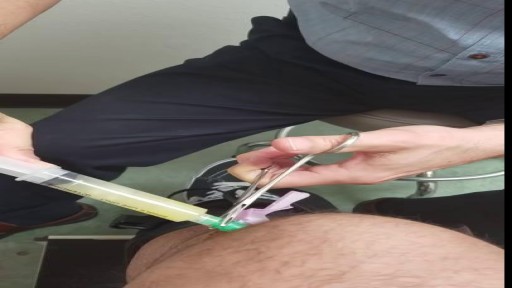
Clinicians often suspect gout from the classic pattern of a sudden, very painful, red joint. The most certain test is examining fluid drawn from the joint under a microscope to look for uric acid crystals, which also helps exclude joint infection. Blood tests measure uric acid, although levels can be normal during an attack, so a single result does not settle the diagnosis. Imaging is sometimes used to show crystal deposits or joint damage. Kidney function and other conditions linked to gout are usually assessed as part of care.
Treatment overview
Treating an attack focuses on reducing inflammation and pain as early as possible, using anti-inflammatory medicine classes, colchicine, or steroids, chosen with a clinician based on a person's other conditions. Resting and cooling the joint can help. Long-term treatment aims to lower uric acid below the level at which crystals form, usually with daily urate-lowering medicines, which prevent attacks and shrink deposits over time. Lifestyle measures — limiting alcohol and sugary drinks, managing weight, and staying hydrated — support treatment but rarely replace medicines when attacks are frequent.
When to seek care
Seek prompt care for a first attack of a hot, red, very painful joint, and urgent care if fever is present, because joint infection can look similar and needs emergency treatment. Recurrent attacks, lumps near joints, or attacks despite treatment should also be reviewed. Kidney pain with difficulty passing urine warrants assessment, as uric acid can contribute to kidney stones.
Frequently asked questions
Is gout caused only by diet and alcohol?
No. Food and alcohol can raise uric acid and trigger attacks, but the main reason levels stay high is usually how the kidneys handle uric acid, which is strongly influenced by genes. Lifestyle changes help, but many people also need urate-lowering medicine.
Which joint does gout affect most?
The big toe is the classic site, but gout commonly affects the midfoot, ankle, and knee, and can involve the fingers, wrists, and elbows. Later or long-standing gout may affect several joints and form lumps called tophi.
Can gout damage joints permanently?
Yes, repeated untreated attacks can erode bone and cartilage and lead to lasting pain and deformity, and crystal lumps can form in soft tissues. Long-term urate-lowering treatment prevents attacks and allows deposits to dissolve gradually.
Why did my uric acid test come back normal during an attack?
Blood uric acid levels can fall during an acute attack, so a normal result at that moment does not rule out gout. Diagnosis may rely on the clinical pattern, joint fluid examination, or repeating the test after the attack settles.
More in Bones/Joints/Muscles
Related topics on MedicalVideos.com
Sources & further reading
Authoritative references for readers who want to go deeper:
- MedlinePlus: Gout
- CDC: Gout Basics (CDC)
- NHS: Gout
This page is for general education only and is not medical advice. A first hot, red, severely painful joint with fever may be joint infection rather than gout and needs urgent assessment.