
- Physical Examination
- Surgical Examination
- Ophthalmology
- Clinical Skills
- Orthopedics
- Surgery Videos
- Laparoscopy
- Pediatrics
- Funny Videos
- Cardiothoracic Surgery
- Nursing Videos
- Plastic Surgery
- Otorhinolaryngology
- Histology and Histopathology
- Neurosurgery
- Dermatology
- Pediatric Surgery
- Urology
- Dentistry
- Oncology and Cancers
- Anatomy Videos
- Health and Fitness
- Radiology
- Anaesthesia
- Physical Therapy
- Pharmacology
- Interventional Radiology
- Cardiology
- Endocrinology
- Gynecology
- Emergency Medicine
- Psychiatry and Psychology
- Childbirth Videos
- General Medical Videos
- Nephrology
- Physiology
- Diet and Food Health
- Diabetes Mellitus
- Neurology
- Women Health
- Osteoporosis
- Gastroenterology
- Pulmonology
- Hematology
- Rheumatology
- Toxicology
- Nuclear Medicine
- Infectious Diseases
- Vascular Disease
- Reproductive Health
- Burns and Wound Healing
- Kidney Zone Podcast
- Other
Osteoarthritis
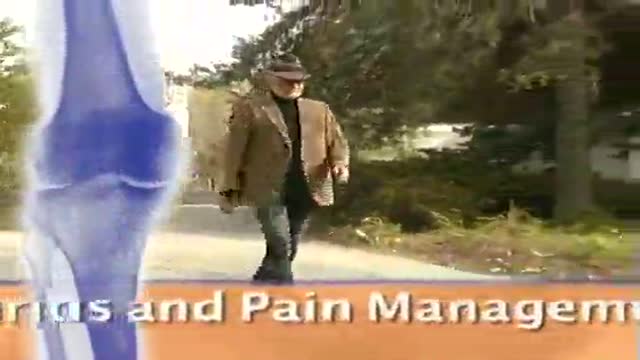
Osteoarthritis is the most common form of arthritis, causing joint pain and stiffness as cartilage gradually wears down. This page explains osteoarthritis symptoms, causes, and treatment in plain language, with videos showing how joints are affected.
✓ Medically reviewed by Dr. Mohamed Ibrahim, MD, PhD — physician-scientist · Last reviewed: November 2026
In short: In osteoarthritis, the smooth cartilage cushioning a joint breaks down over time, and nearby bone and tissues change too. Knees, hips, hands, and the spine are commonly affected. Exercise, weight management, and pain relief are the core of care.
Watch: Osteoarthritis videos
Read: the plain-language guide
Overview
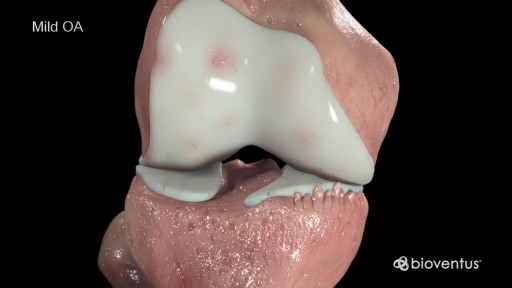
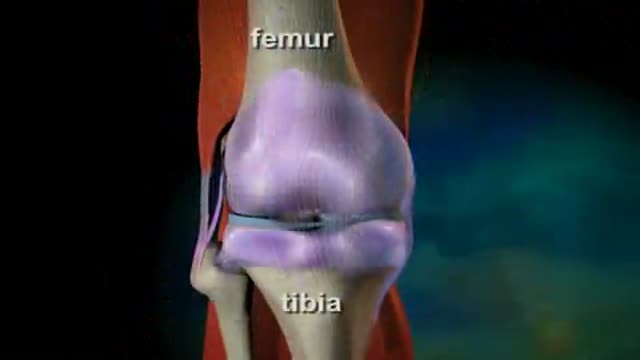
Healthy joints are capped with cartilage, a smooth, slippery tissue that lets bones glide and absorbs shock. In osteoarthritis, cartilage thins and roughens, the space within the joint narrows, and the bone underneath thickens. Small bony growths may form, and the joint lining can become mildly inflamed. The result is pain, stiffness, and reduced movement that develop slowly over years. Osteoarthritis is very common with aging, but it is not an inevitable part of getting older, and its severity varies greatly. Many people manage well with self-care and non-surgical treatment.
Symptoms
The main symptom is joint pain that is typically worse with activity and eases with rest, though in later stages pain may persist or disturb sleep. Stiffness is common after inactivity, such as first thing in the morning, and usually eases within a short period of moving. Joints may feel tender, lose flexibility, or make grating or clicking sensations. Bony swelling can develop, especially in the finger joints. Symptoms often fluctuate, with good periods and flares after extra activity. Unlike inflammatory arthritis, prolonged morning stiffness and widespread joint inflammation are not typical features.
Causes & risk factors
Osteoarthritis develops when the balance between wear and repair in a joint tips toward breakdown. Age is the strongest risk factor, since cartilage becomes less resilient over time. Extra body weight increases load on the knees and hips and is linked to hand symptoms too. Previous joint injury, surgery, or repeated heavy stress from work or sport can raise risk in that joint. Joint shape and alignment, muscle weakness, and inherited factors also contribute, which is why osteoarthritis often runs in families. It is a whole-joint condition, not simply cartilage being worn away by use.
How it's diagnosed
Clinicians often diagnose osteoarthritis from the symptom pattern and examining the joint, especially in older adults with typical features. X-rays may show narrowed joint space, bone thickening, and bony growths, although X-ray changes do not always match how much pain a person feels. Blood tests are not usually needed unless another type of arthritis is suspected. Assessment also covers how the joint problem affects daily activities, work, and sleep, because treatment is guided as much by function and goals as by imaging findings.
Treatment overview
Exercise is a cornerstone of treatment: strengthening muscles around the joint and improving fitness reduces pain and supports function, even though it may ache at first. Weight management, where relevant, lessens joint load. Pain relief may include topical or oral anti-inflammatory medicines and other analgesics, chosen with a clinician to balance benefit and side effects, plus heat, cold, supports, and walking aids for some people. Injections are sometimes used for selected joints. When symptoms remain severe despite these measures, joint replacement surgery, particularly for hip and knee, can be highly effective and may be discussed with a specialist.
When to seek care
Seek prompt assessment for a joint that becomes suddenly hot, red, and very painful, especially with fever, since infection or another arthritis type may be responsible. A joint that locks, gives way repeatedly, or follows a significant injury also needs review. Rapidly worsening pain or new inability to bear weight should not be attributed to osteoarthritis without assessment.
Frequently asked questions
Will exercise wear out an osteoarthritic joint faster?
No — appropriate exercise is one of the most effective treatments. Strengthening the muscles around the joint and staying active reduces pain and improves function. Activity may need pacing and tailoring, and a physiotherapist can help build a suitable program.
Is osteoarthritis the same as rheumatoid arthritis?
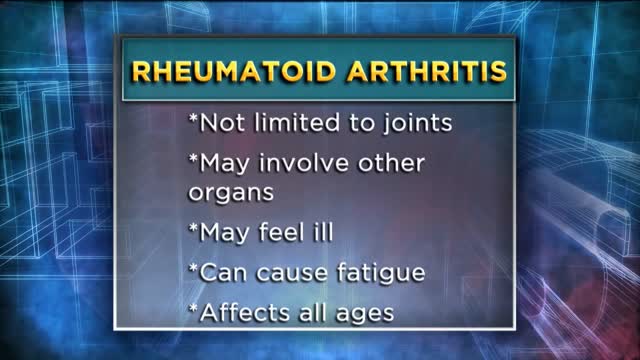
No. Osteoarthritis is mainly a wear-and-repair problem within a joint. Rheumatoid arthritis is an autoimmune condition in which the immune system inflames joints and other tissues.
Do X-ray changes mean I will need a joint replacement?
Not necessarily. X-ray findings and pain levels often do not match, and many people with visible changes manage well without surgery. Replacement is considered when pain and loss of function remain severe despite other treatment, based on individual goals.
Can diet or supplements cure osteoarthritis?
No diet or supplement cures osteoarthritis. A balanced diet that supports a healthy weight genuinely helps load-bearing joints. Evidence for supplements is mixed and modest at best, so discuss them with a clinician rather than relying on them alone.
More in Bones/Joints/Muscles
Related topics on MedicalVideos.com
Sources & further reading
Authoritative references for readers who want to go deeper:
- MedlinePlus: Osteoarthritis
- CDC: Osteoarthritis Basics (CDC)
- NHS: Osteoarthritis
This page is for general education only and is not medical advice. A suddenly hot, red, severely painful joint, especially with fever, is not typical osteoarthritis and needs prompt assessment for infection or another cause.