
- Physical Examination
- Surgical Examination
- Ophthalmology
- Clinical Skills
- Orthopedics
- Surgery Videos
- Laparoscopy
- Pediatrics
- Funny Videos
- Cardiothoracic Surgery
- Nursing Videos
- Plastic Surgery
- Otorhinolaryngology
- Histology and Histopathology
- Neurosurgery
- Dermatology
- Pediatric Surgery
- Urology
- Dentistry
- Oncology and Cancers
- Anatomy Videos
- Health and Fitness
- Radiology
- Anaesthesia
- Physical Therapy
- Pharmacology
- Interventional Radiology
- Cardiology
- Endocrinology
- Gynecology
- Emergency Medicine
- Psychiatry and Psychology
- Childbirth Videos
- General Medical Videos
- Nephrology
- Physiology
- Diet and Food Health
- Diabetes Mellitus
- Neurology
- Women Health
- Osteoporosis
- Gastroenterology
- Pulmonology
- Hematology
- Rheumatology
- Toxicology
- Nuclear Medicine
- Infectious Diseases
- Vascular Disease
- Reproductive Health
- Burns and Wound Healing
- Kidney Zone Podcast
- Other
Low Back Pain
Low back pain is pain in the lower part of the back, and it is one of the most common reasons people seek medical care. Most episodes are not caused by serious disease and improve with time and activity. This page explains symptoms, causes and treatment in plain language, with videos to guide recovery.
✓ Medically reviewed by Dr. Mohamed Ibrahim, MD, PhD — physician-scientist · Last reviewed: November 2026
In short: Most low back pain comes from strained muscles, ligaments or joints and settles over days to weeks. Staying active, gentle movement and simple pain relief are the mainstays of recovery for uncomplicated pain. Scans are not usually needed at first, but certain warning signs, such as leg weakness or bladder changes, need urgent assessment.
Watch: Low Back Pain videos

Read: the plain-language guide
Overview
The lower back supports the weight of the upper body and allows bending and twisting. It contains bones, discs that act as cushions, joints, ligaments, muscles and nerves. Pain can arise from any of these structures, and often the exact source cannot be pinpointed. Back pain is described as acute when it lasts a few days to weeks, and chronic when it persists beyond about three months. Most acute episodes improve steadily with simple measures.
Symptoms
Pain may be a dull ache, stiffness, sharp twinges or muscle spasm, felt across the lower back or mainly on one side. It can worsen with bending, lifting or sitting for long periods, and ease with gentle movement or position change. Pain sometimes spreads into a buttock or thigh. Stiffness in the morning is common. Pain that travels below the knee with numbness or weakness suggests nerve involvement, which is discussed further under sciatica.
Causes & risk factors
Common causes include muscle or ligament strain from lifting, twisting or sudden effort, poor conditioning, prolonged sitting, and flare-ups of wear-and-tear changes in the discs and joints. Disc bulges can irritate nearby structures. Less common causes include fractures, infection, inflammatory conditions and, rarely, tumours. Risk factors include previous back pain, physically demanding work, excess weight, smoking and low mood or stress, which can increase pain sensitivity and slow recovery.
How it's diagnosed
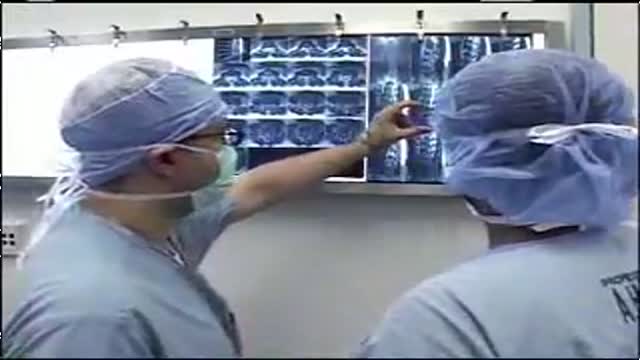
A clinician will ask where the pain is, how it started, what affects it, and whether there are warning signs such as fever, weight loss, trauma or bladder or bowel changes. Examination checks movement, strength, reflexes and sensation in the legs. For most new episodes without warning signs, imaging is not needed initially because scans often show age-related changes unrelated to pain. Blood tests or scans are arranged when a specific cause is suspected or pain persists.
Treatment overview
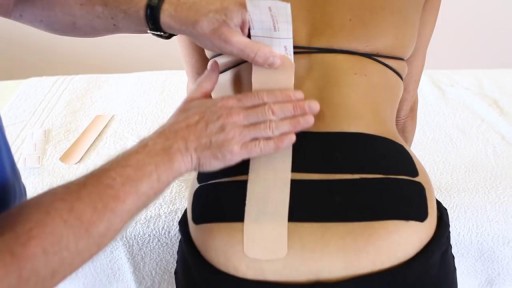
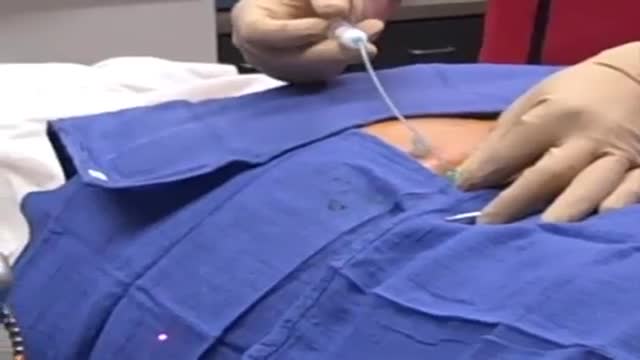
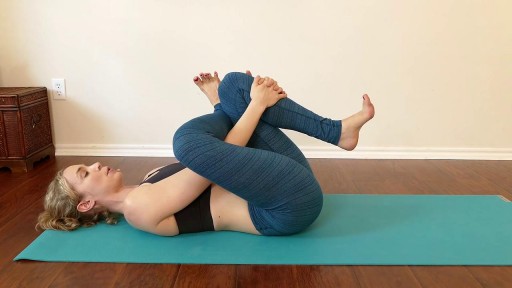
For uncomplicated back pain, staying active is central: short walks, gentle movement and gradually returning to normal activities help recovery, while prolonged bed rest usually slows it. Heat may ease muscle spasm. Pain relief options include anti-inflammatory medicines or paracetamol where suitable, discussed with a clinician or pharmacist. Physiotherapy, exercise programmes and manual therapy can help, especially for persistent pain. Surgery is uncommon and reserved for specific problems. Plans are individual and reviewed if progress stalls.
When to seek care
Seek urgent care for new bladder or bowel difficulty, numbness around the genitals or buttocks, weakness in both legs, severe pain after major trauma, or back pain with fever. Seek prompt advice for pain with unexplained weight loss, a history of cancer, or pain that steadily worsens despite rest and treatment.
Frequently asked questions
Should I rest in bed with back pain?
Prolonged bed rest is not recommended for most back pain because it weakens muscles and stiffens the back, slowing recovery. Short rest during a severe flare is understandable, but gentle movement and gradually resuming daily activities as pain allows usually lead to faster improvement.
Do I need a scan for low back pain?
Most people do not need a scan at first. Imaging often shows normal age-related changes that do not explain pain and rarely changes early treatment. Scans are used when warning signs are present, after significant injury, or when pain persists and specific treatment decisions depend on the findings.
Can exercise help chronic back pain?
Yes. Regular, graded exercise that strengthens and mobilises the back and improves general fitness is a core treatment for persistent back pain. Programmes are best started gently and built up, and a physiotherapist can tailor exercises to individual ability and other health conditions.
How long does low back pain take to improve?
Many acute episodes improve noticeably within a few weeks, although mild aches can linger longer and recurrences are common. Recovery varies with the cause and general health. If pain is not improving as expected, a clinician can review the diagnosis and treatment plan.
More in Bones/Joints/Muscles
Related topics on MedicalVideos.com
Sources & further reading
Authoritative references for readers who want to go deeper:
- MedlinePlus: Low Back Pain
- NHS: Back pain
- American College of Physicians: Low Back Pain (American College of Physicians)
This page is for general education only and is not medical advice. New bladder or bowel problems, saddle numbness or leg weakness with back pain need emergency assessment.