
- Physical Examination
- Surgical Examination
- Ophthalmology
- Clinical Skills
- Orthopedics
- Surgery Videos
- Laparoscopy
- Pediatrics
- Funny Videos
- Cardiothoracic Surgery
- Nursing Videos
- Plastic Surgery
- Otorhinolaryngology
- Histology and Histopathology
- Neurosurgery
- Dermatology
- Pediatric Surgery
- Urology
- Dentistry
- Oncology and Cancers
- Anatomy Videos
- Health and Fitness
- Radiology
- Anaesthesia
- Physical Therapy
- Pharmacology
- Interventional Radiology
- Cardiology
- Endocrinology
- Gynecology
- Emergency Medicine
- Psychiatry and Psychology
- Childbirth Videos
- General Medical Videos
- Nephrology
- Physiology
- Diet and Food Health
- Diabetes Mellitus
- Neurology
- Women Health
- Osteoporosis
- Gastroenterology
- Pulmonology
- Hematology
- Rheumatology
- Toxicology
- Nuclear Medicine
- Infectious Diseases
- Vascular Disease
- Reproductive Health
- Burns and Wound Healing
- Kidney Zone Podcast
- Other
Carpal Tunnel Syndrome
Carpal tunnel syndrome causes numbness, tingling and pain in the hand and fingers when a nerve is squeezed as it passes through the wrist. Symptoms often disturb sleep and make gripping or fine tasks harder. This page explains causes, diagnosis and treatment in plain language, with helpful videos.
✓ Medically reviewed by Dr. Mohamed Ibrahim, MD, PhD — physician-scientist · Last reviewed: November 2026
In short: The median nerve runs through a narrow passage in the wrist called the carpal tunnel. Swelling or pressure in this space irritates the nerve, affecting the thumb, index, middle and part of the ring finger. Splints, activity changes and injections help some people, while surgery to release the tunnel is an option for persistent or severe cases.
Watch: Carpal Tunnel Syndrome videos


Read: the plain-language guide
Overview
The carpal tunnel is a narrow channel on the palm side of the wrist, formed by bones and a strong ligament. The median nerve and the tendons that bend the fingers pass through it. Because the space cannot stretch, any swelling raises pressure and squeezes the nerve. This slows nerve signals to the hand, causing sensory symptoms first and, in more advanced cases, weakness and wasting of the thumb muscles.
Symptoms
Early symptoms include tingling, pins and needles, numbness or burning in the thumb, index, middle and half of the ring finger, often worse at night or on waking. Shaking the hand may bring relief. Symptoms can be triggered by holding a phone, reading, driving or repetitive hand use. Aching may spread up the forearm. Over time, people may drop objects, struggle with buttons or keys, and notice weakness or thinning of the muscle at the base of the thumb.
Causes & risk factors
Anything that reduces space or increases pressure in the tunnel can contribute. Factors include repetitive or forceful hand and wrist movements, prolonged bent wrist positions, wrist injury, and fluid retention in pregnancy, when symptoms often settle after delivery. Medical conditions linked with carpal tunnel syndrome include diabetes, underactive thyroid, rheumatoid arthritis and excess weight. Sometimes no single cause is identified, and anatomy of the wrist itself plays a role.
How it's diagnosed
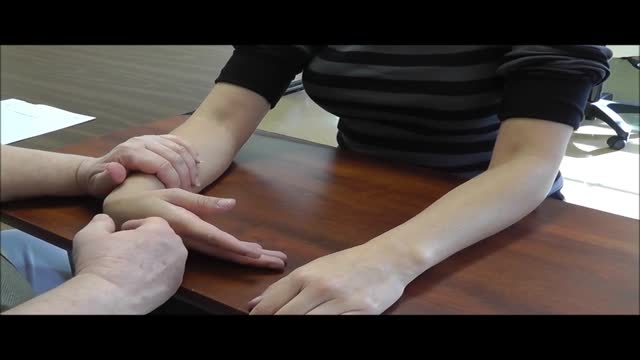
A clinician asks about the pattern of numbness and triggers and examines hand sensation, strength and thumb muscles. Tapping over the nerve or holding the wrist bent may reproduce symptoms. Nerve conduction studies, which measure how fast signals travel along the nerve, can confirm the diagnosis and grade severity, especially before surgery or when the picture is unclear. Ultrasound can sometimes show nerve swelling. Blood tests may check for contributing conditions.
Treatment overview
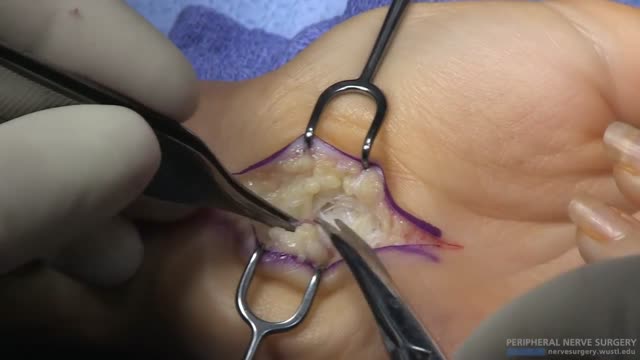
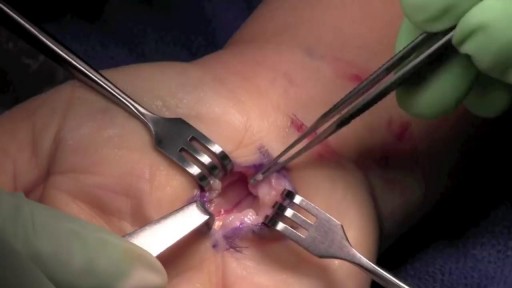
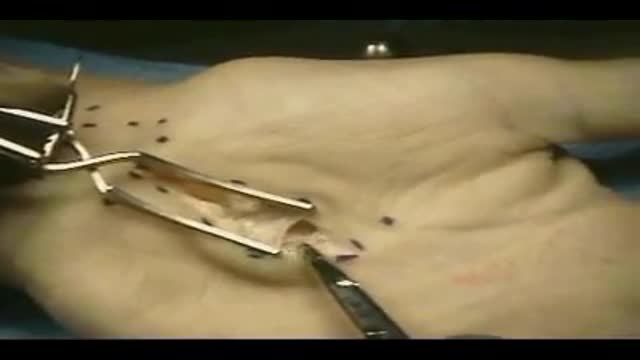
Mild cases may improve with activity modification, avoiding prolonged bent wrist positions, and a wrist splint worn at night to keep the wrist straight. A steroid injection into the tunnel can reduce swelling and symptoms, sometimes temporarily. If symptoms persist, are severe, or there is weakness or muscle wasting, surgery to divide the ligament and enlarge the tunnel is commonly offered. Recovery and return to activities vary, and hand therapy may be advised afterwards.
When to seek care
Seek prompt medical advice for constant numbness, dropping objects, visible wasting at the base of the thumb, or weakness that is progressing, as prolonged nerve compression can cause lasting damage. Seek advice sooner if symptoms follow a wrist injury or occur with swelling, redness or fever, which suggest another cause needing assessment.
Frequently asked questions
Which fingers are affected by carpal tunnel syndrome?
Symptoms typically affect the thumb, index finger, middle finger and the thumb side of the ring finger, because these are supplied by the median nerve. The little finger is usually spared. Numbness in the whole hand or little finger may point to a different nerve problem.
Can carpal tunnel syndrome go away without surgery?
Yes, mild cases can settle with splinting, activity changes and time, and pregnancy-related symptoms often resolve after delivery. Persistent, severe or worsening symptoms, especially with weakness, are less likely to resolve fully without further treatment such as injection or surgery.
Does typing cause carpal tunnel syndrome?
The link with keyboard use alone is less clear than once thought. Forceful, repetitive gripping, vibration tools and prolonged awkward wrist positions appear more important. Taking breaks, neutral wrist posture and treating contributing health conditions can reduce strain regardless of the exact cause.
What does carpal tunnel surgery involve?
The operation divides the ligament forming the roof of the carpal tunnel, giving the nerve more room. It is usually a short day procedure under local or regional anaesthesia. Most people notice night symptoms improve first, while full strength and any long-standing numbness recover more gradually.
More in Bones/Joints/Muscles
Related topics on MedicalVideos.com
Sources & further reading
Authoritative references for readers who want to go deeper:
- MedlinePlus: Carpal Tunnel Syndrome
- NHS: Carpal tunnel syndrome
- American Academy of Orthopaedic Surgeons: Carpal Tunnel Syndrome (American Academy of Orthopaedic Surgeons)
This page is for general education only and is not medical advice. Constant numbness or thumb muscle wasting from carpal tunnel syndrome should be assessed promptly to protect hand function.