
- Physical Examination
- Surgical Examination
- Ophthalmology
- Clinical Skills
- Orthopedics
- Surgery Videos
- Laparoscopy
- Pediatrics
- Funny Videos
- Cardiothoracic Surgery
- Nursing Videos
- Plastic Surgery
- Otorhinolaryngology
- Histology and Histopathology
- Neurosurgery
- Dermatology
- Pediatric Surgery
- Urology
- Dentistry
- Oncology and Cancers
- Anatomy Videos
- Health and Fitness
- Radiology
- Anaesthesia
- Physical Therapy
- Pharmacology
- Interventional Radiology
- Cardiology
- Endocrinology
- Gynecology
- Emergency Medicine
- Psychiatry and Psychology
- Childbirth Videos
- General Medical Videos
- Nephrology
- Physiology
- Diet and Food Health
- Diabetes Mellitus
- Neurology
- Women Health
- Osteoporosis
- Gastroenterology
- Pulmonology
- Hematology
- Rheumatology
- Toxicology
- Nuclear Medicine
- Infectious Diseases
- Vascular Disease
- Reproductive Health
- Burns and Wound Healing
- Kidney Zone Podcast
- Other
Warts
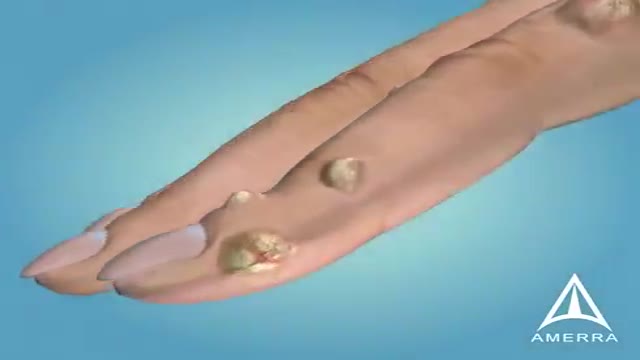
Warts are small, rough growths on the skin caused by infection with human papillomavirus (HPV), a common virus that enters through tiny breaks in the skin surface. Warts on the soles of the feet are called verrucas. This page explains their symptoms, causes, and treatment in plain language, with videos to help you follow the key points.
✓ Medically reviewed by Dr. Mohamed Ibrahim, MD, PhD — physician-scientist · Last reviewed: November 2026
In short: Warts are harmless skin growths caused by a common virus. They spread by skin contact and shared surfaces, often clear on their own over time, and can be treated with pharmacy preparations or clinic freezing if they are troublesome or painful.
Watch: Warts videos
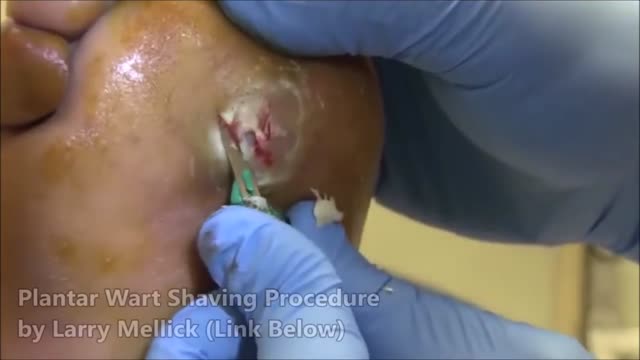
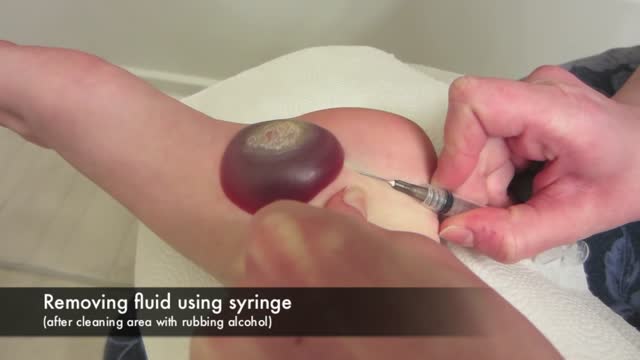

Read: the plain-language guide
Overview
When HPV infects the top layer of skin, it makes the skin cells grow faster than usual, producing a raised, rough lump. Common warts usually appear on the fingers, hands, and knees. Verrucas grow on the soles, where body weight presses them flat and can make walking sore. Flat warts are smaller and smoother and often appear in groups on the face or legs. Warts are very common, especially in school-age children, and a healthy immune system usually clears the virus eventually, though this can take many months.
Symptoms
A wart feels like a small, firm, rough lump on the skin. It may have tiny black dots in its surface, which are small blood vessels. Warts are usually painless, but verrucas can ache when you stand or walk, feeling like standing on a small stone. Warts can appear singly or in clusters, and scratching or shaving over one can spread them to nearby skin. A growth that changes quickly, bleeds, or looks unusual should not be assumed to be a wart.
Causes & risk factors
Warts are caused by strains of human papillomavirus that infect the skin. The virus spreads through direct skin contact and through shared items such as towels, razors, and socks, and it thrives in warm, damp places such as swimming pools and changing rooms. Biting nails, sucking fingers, and shaving over warts help it spread. Children and teenagers get warts most often, and people whose immune system is weakened are more prone to them and may find them harder to clear.
How it's diagnosed
Warts are usually diagnosed simply by looking at them. A clinician may gently pare the surface to check for the typical tiny black dots and to distinguish a verruca from a corn or callus, which it can resemble. Testing is rarely needed. If a growth looks atypical, keeps changing, or does not respond to treatment, your doctor may arrange a closer examination or a small skin sample to be sure of the diagnosis.
Treatment overview
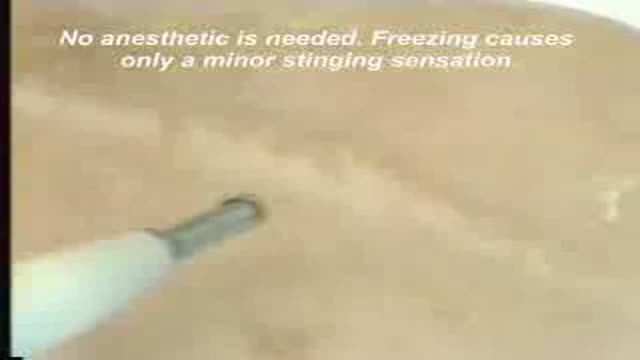
Many warts need no treatment at all and disappear on their own as the immune system clears the virus. If a wart is painful, spreading, or upsetting, pharmacy wart treatments used regularly over several weeks can help. A clinician can freeze a wart with liquid nitrogen, sometimes over a few sessions, and other clinic procedures exist for stubborn warts. Treatment does not guarantee the wart will not return, because the virus can persist in nearby skin. People with diabetes should not treat foot warts themselves and should seek professional care.
When to seek care
See a doctor about any growth on the face or genitals, any lump that bleeds, changes colour or shape, or grows quickly, and any wart that is painful or widespread. Seek advice promptly if your immune system is weakened, or if you have diabetes and develop a growth on your foot.
Frequently asked questions
Are warts contagious?
Yes. Warts spread through skin-to-skin contact and via shared towels, socks, and damp floors such as those around swimming pools. Covering a verruca with a waterproof plaster at the pool and not sharing towels reduces the chance of passing the virus on.
Do warts go away on their own?
Often yes. Many warts clear without any treatment as the immune system recognises and removes the virus, although this can take months and sometimes longer. Treatment is usually considered when a wart is painful, spreading, or causing distress.
Can I cut or pick off a wart myself?
No. Cutting or picking a wart risks bleeding, infection, and scarring, and it can spread the virus to surrounding skin. Use a proper pharmacy treatment or see a clinician, especially for warts on the face, genitals, or feet if you have diabetes.
Are verrucas the same as warts?
Yes. A verruca is simply a wart on the sole of the foot. Pressure from standing pushes it flatter into the skin, which is why verrucas can feel sore to walk on while warts on the hands are usually painless.
Related topics on MedicalVideos.com
Sources & further reading
Authoritative references for readers who want to go deeper:
This page is for general education only and is not medical advice. A new or changing skin growth that bleeds, darkens, or grows quickly should always be examined by a doctor, because not every skin growth is a wart.