
- Physical Examination
- Surgical Examination
- Ophthalmology
- Clinical Skills
- Orthopedics
- Surgery Videos
- Laparoscopy
- Pediatrics
- Funny Videos
- Cardiothoracic Surgery
- Nursing Videos
- Plastic Surgery
- Otorhinolaryngology
- Histology and Histopathology
- Neurosurgery
- Dermatology
- Pediatric Surgery
- Urology
- Dentistry
- Oncology and Cancers
- Anatomy Videos
- Health and Fitness
- Radiology
- Anaesthesia
- Physical Therapy
- Pharmacology
- Interventional Radiology
- Cardiology
- Endocrinology
- Gynecology
- Emergency Medicine
- Psychiatry and Psychology
- Childbirth Videos
- General Medical Videos
- Nephrology
- Physiology
- Diet and Food Health
- Diabetes Mellitus
- Neurology
- Women Health
- Osteoporosis
- Gastroenterology
- Pulmonology
- Hematology
- Rheumatology
- Toxicology
- Nuclear Medicine
- Infectious Diseases
- Vascular Disease
- Reproductive Health
- Burns and Wound Healing
- Kidney Zone Podcast
- Other
Mental Health Codes (90791–90899)
Mental health codes are the CPT codes for psychiatric evaluations and psychotherapy — the assessment appointments, individual therapy sessions, family therapy, and group therapy that make up most outpatient mental-health care. They sit in the psychiatry range of the Medicine section, in the 90791–90899 area of the code book.
✓ Medically reviewed by Dr. Mohamed Ibrahim, MD, PhD — physician-scientist · Last reviewed: November 2026
Watch: Mental Health Codes (90791–90899) videos
 Psychotic Depression Information10,179 views
 Depression and its treatment9,411 views
 Catatonia7,425 views
 Factitious Disorder and Malingering2,143 views
 Bipolar disorder. Managment1,912 views
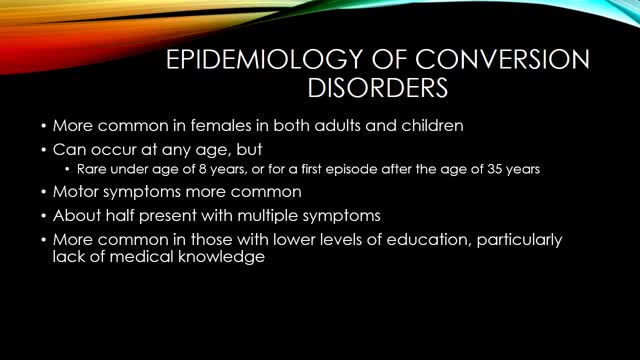 Conversion disorders1,852 views
Guide
What this family is
The family has three layers. It starts with the diagnostic evaluation — the first, longer assessment appointment — in two versions: without medical services, and with medical services for clinicians who also assess physical causes and prescribe. Next come the psychotherapy codes, which are chosen mainly by session length: about 30, 45, or 60 minutes. Separate codes cover family therapy (with or without the patient present) and group therapy. When therapy is provided as part of a medical visit by the same clinician, a parallel set of add-on codes attaches the therapy time to the visit code instead — a common pattern in psychiatry. Crisis intervention has its own codes for urgent, complex sessions that run well beyond a standard appointment, and health-behaviour assessment codes cover work on the psychological side of a physical condition — coping with chronic pain or a new diagnosis, for example — when the treatment target is behaviour rather than a mental illness itself.
The codes in plain language
The core mental-health codes in plain language:
| Code | In plain language |
|---|---|
| 90791 | The first psychiatric diagnostic evaluation — a full assessment interview, without medical services. |
| 90792 | The first psychiatric diagnostic evaluation with medical services, such as a prescriber assessing medicines as part of the evaluation. |
| 90832 | A psychotherapy session of about 30 minutes spent with the patient. |
| 90834 | A psychotherapy session of about 45 minutes spent with the patient. |
| 90837 | A psychotherapy session of about 60 minutes spent with the patient. |
| 90847 | Family psychotherapy with the patient present, working with the family together. |
| 90853 | Group psychotherapy — a therapist leading a session for several patients together. |
How it shows up on a bill
On a bill or EOB, mental health care appears as lines with these codes — an evaluation code for the first appointment, then therapy codes for follow-up sessions, each with its date. Because the therapy codes are time-based, the session length in the clinician's note is what supports the code. If the same clinician also managed medicines at a separate visit, that medical work appears under its own visit or add-on code.
Common questions
How does session length change the code?
Therapy codes are chosen mainly by the length of the session: about 30, 45, or 60 minutes of face-to-face time. A session that runs long moves up a code; a shorter check-in moves down. Clinicians record start and stop times to support the choice.
What is the difference between 90791 and 90792?
Both are the initial assessment, but 90792 includes medical work — for example, a psychiatrist or nurse practitioner reviewing physical causes and medicines as part of the evaluation. 90791 is the assessment without that medical component, used by psychologists and other non-prescribing clinicians.
Can therapy be billed together with a medical visit?
Yes. When a medical visit and therapy happen on the same day with the same clinician, add-on codes exist that attach the therapy time to the medical visit code, rather than using the stand-alone therapy codes. The combination is common in psychiatry practices.
Why does group therapy have a different code?
Group therapy has its own code because the format is different — one therapist working with several patients at once. Family therapy also has its own codes, split by whether the identified patient is in the room.
More in Everyday Visits
Related
Sources
- CPT® code 90837 lookup (AAPC Codify)
- CPT® codes overview (American Medical Association)
- Health Insurance (MedlinePlus)
This guide is general information about how medical services are coded, not billing advice and not medical advice. Coding rules change every year and vary between insurers; for a question about your own bill, contact the billing office that sent it or your insurance company, and for coding work, use the current official code books. Time in these codes means time spent in the session itself; insurers apply their own documentation rules for time-based codes.
CPT® is a registered trademark of the American Medical Association (AMA). The descriptions on this page are plain-language summaries written by MedicalVideos.com in its own words; the official CPT® code descriptions are published by the AMA in the current CPT® code book.