- Physical Examination
- Surgical Examination
- Ophthalmology
- Clinical Skills
- Orthopedics
- Surgery Videos
- Laparoscopy
- Pediatrics
- Funny Videos
- Cardiothoracic Surgery
- Nursing Videos
- Plastic Surgery
- Otorhinolaryngology
- Histology and Histopathology
- Neurosurgery
- Dermatology
- Pediatric Surgery
- Urology
- Dentistry
- Oncology and Cancers
- Anatomy Videos
- Health and Fitness
- Radiology
- Anaesthesia
- Physical Therapy
- Pharmacology
- Interventional Radiology
- Cardiology
- Endocrinology
- Gynecology
- Emergency Medicine
- Psychiatry and Psychology
- Childbirth Videos
- General Medical Videos
- Nephrology
- Physiology
- Diet and Food Health
- Diabetes Mellitus
- Neurology
- Women Health
- Osteoporosis
- Gastroenterology
- Pulmonology
- Hematology
- Rheumatology
- Toxicology
- Nuclear Medicine
- Infectious Diseases
- Vascular Disease
- Reproductive Health
- Burns and Wound Healing
- Kidney Zone Podcast
- Other
Blisters — First Aid and Care
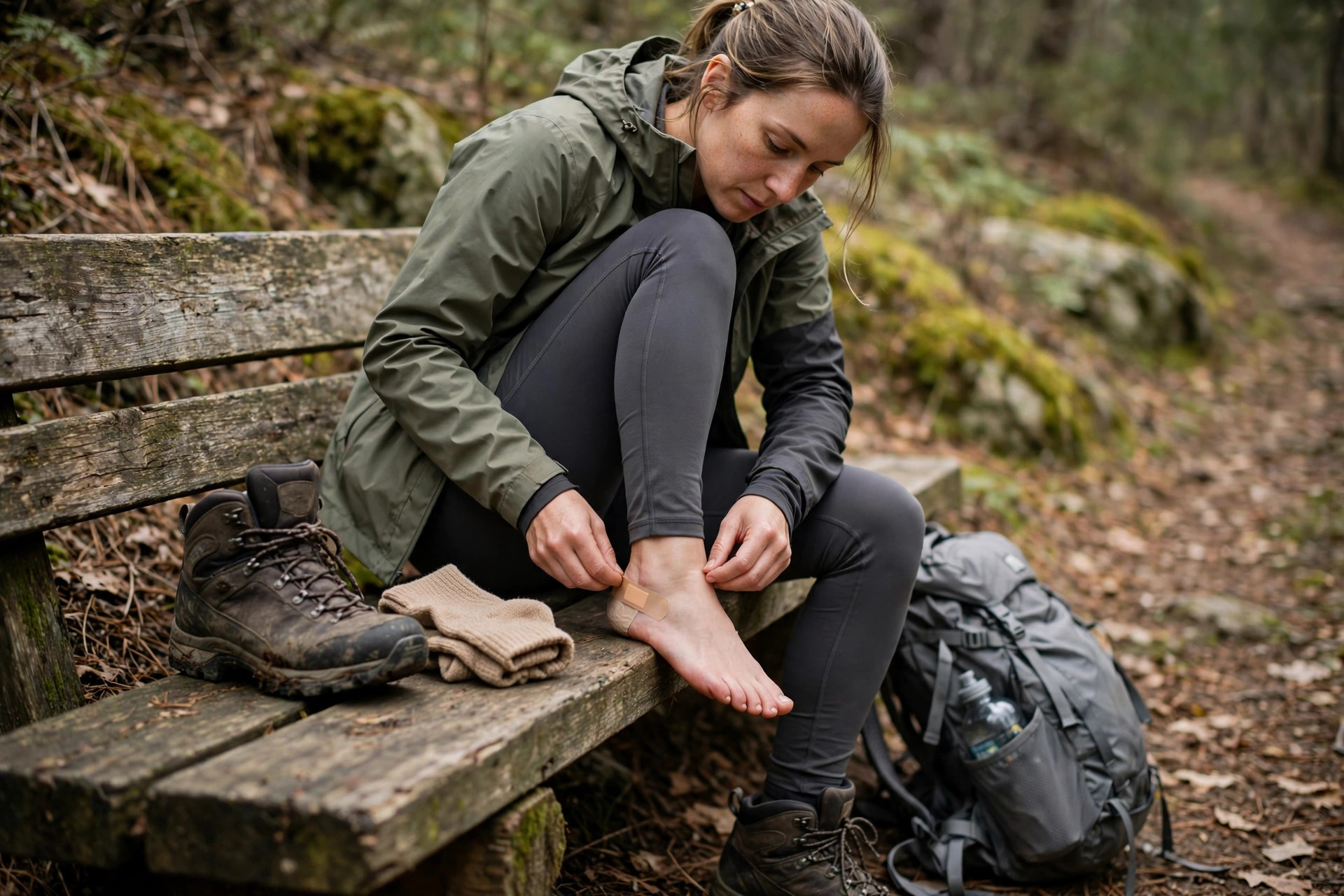
What to do
- Leave an intact blister alone if you can — the fluid-filled skin is a natural sterile dressing that protects the tissue underneath and reduces pain.
- Cover it with a blister plaster (hydrocolloid dressing) or a padded adhesive dressing to protect it from further friction. Change it if it leaks or lifts.
- Reduce the cause: better-fitting shoes, moisture-wicking or double-layer socks, and lubricant or tape on known hot spots for walking and running.
- If a blister is very large, tense and painful, or in a place that makes walking impossible, it may be better drained by a clinician; draining at home carries infection risk and is best avoided in people with diabetes or poor circulation.
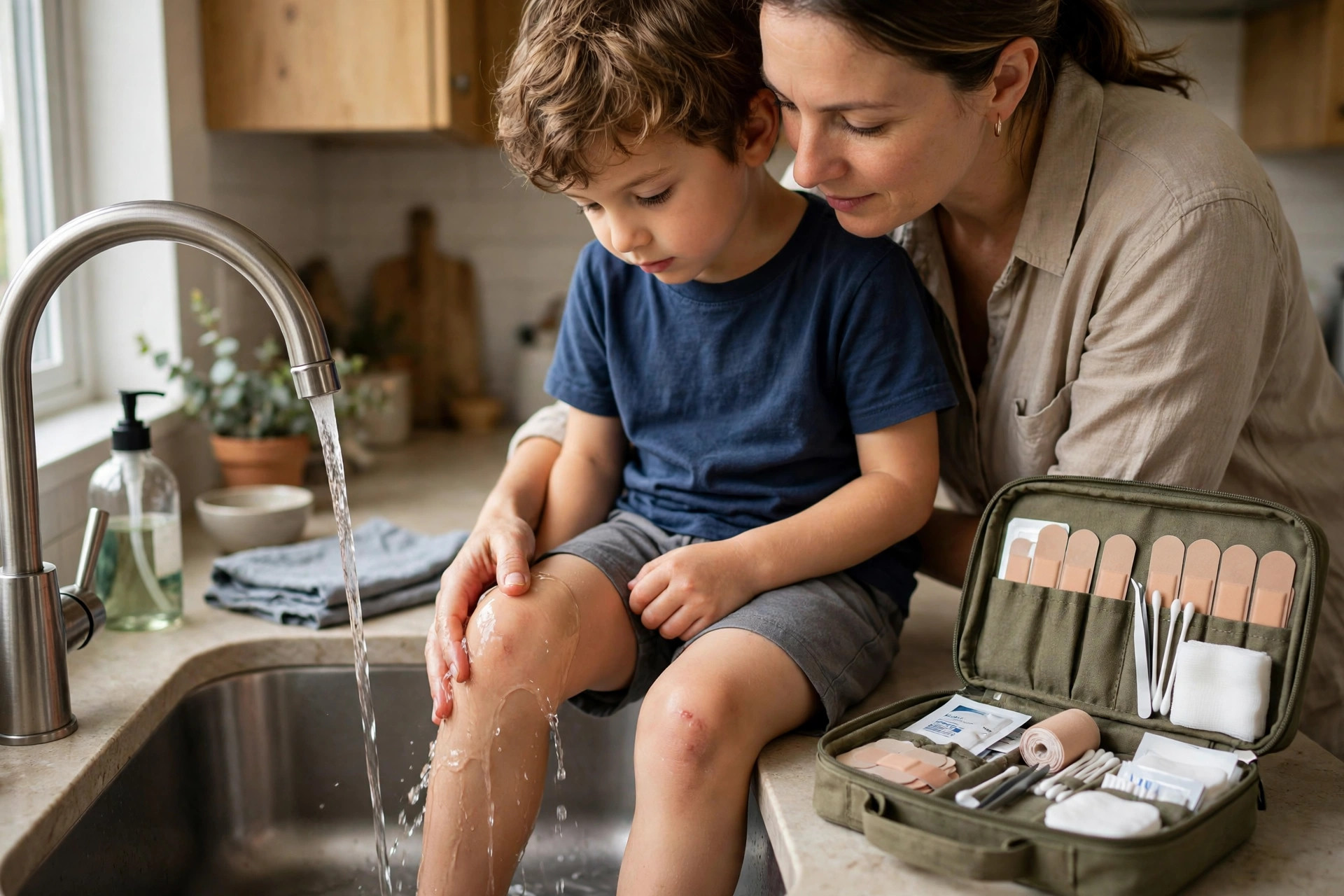
- If the blister bursts on its own, wash the area gently with clean water, smooth the skin flap back over if it is clean, and cover with a sterile non-stick dressing.
- Watch for infection: increasing redness, pain, swelling, pus or red streaks need medical review.
What NOT to do
- Do not peel off the roof of a burst blister — it protects the raw skin beneath.
- Do not drain blisters if you have diabetes, poor circulation or a weakened immune system — seek professional foot care instead.
- Do not ignore blisters in a person with diabetes; even small foot wounds can become serious.
- Do not apply dirty or reused dressings.
When to get medical care
Seek medical care for blisters that are infected (spreading redness, pus, fever), blood blisters from a crush or pinch injury with severe pain, blisters from burns or chemicals (treat as burns), and any blistering in people with diabetes or circulation problems. Widespread blistering with mouth or eye involvement is urgent.
Related conditions
Related symptoms
Frequently asked questions
Should I pop a blister?
Usually no. Intact blister skin is the best dressing there is. Very large or painful blisters that prevent walking are sometimes drained in clinical settings with sterile technique; at home, padding and protection are safer for most people.
Why do blisters form?
Repeated friction rubs the skin layers apart, and fluid collects in the gap. Heat, moisture and ill-fitting footwear make it worse, which is why blisters plague new shoes, long walks and endurance events.
In an emergency, call 911 (or your local emergency number) first — do not delay a call to read a guide. These pages are educational first-aid information in general terms; they are not a substitute for emergency services, first-aid training, or assessment by a qualified clinician.