- Physical Examination
- Surgical Examination
- Ophthalmology
- Clinical Skills
- Orthopedics
- Surgery Videos
- Laparoscopy
- Pediatrics
- Funny Videos
- Cardiothoracic Surgery
- Nursing Videos
- Plastic Surgery
- Otorhinolaryngology
- Histology and Histopathology
- Neurosurgery
- Dermatology
- Pediatric Surgery
- Urology
- Dentistry
- Oncology and Cancers
- Anatomy Videos
- Health and Fitness
- Radiology
- Anaesthesia
- Physical Therapy
- Pharmacology
- Interventional Radiology
- Cardiology
- Endocrinology
- Gynecology
- Emergency Medicine
- Psychiatry and Psychology
- Childbirth Videos
- General Medical Videos
- Nephrology
- Physiology
- Diet and Food Health
- Diabetes Mellitus
- Neurology
- Women Health
- Osteoporosis
- Gastroenterology
- Pulmonology
- Hematology
- Rheumatology
- Toxicology
- Nuclear Medicine
- Infectious Diseases
- Vascular Disease
- Reproductive Health
- Burns and Wound Healing
- Kidney Zone Podcast
- Other
Internal Bleeding — Recognising the Signs
What to do
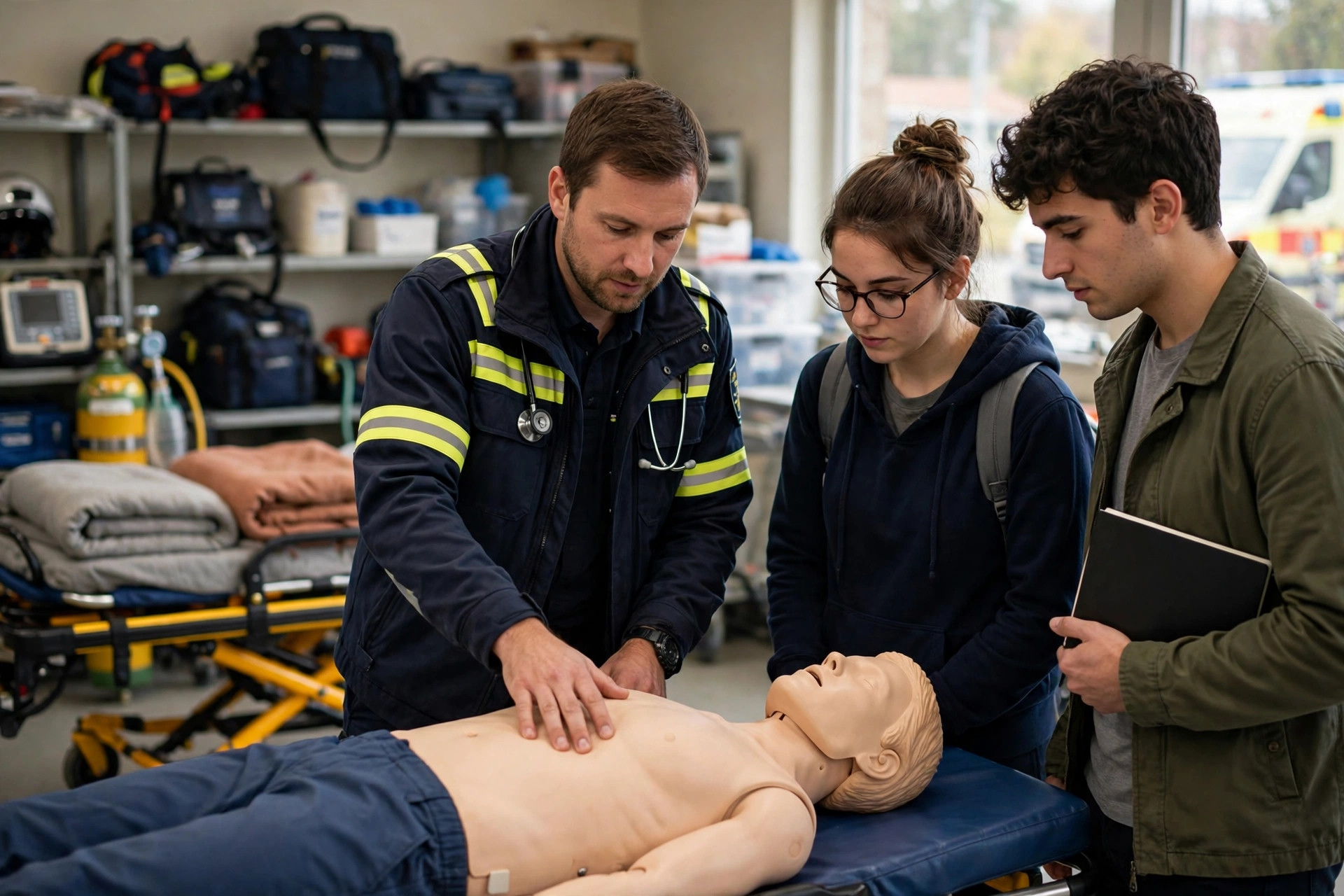
- Suspect internal bleeding after a significant blow to the abdomen or chest, a fall from height, a road collision, or if a person becomes pale, clammy and faint without visible blood loss.
- Call 911 immediately — internal bleeding cannot be treated with first aid alone.
- Help the person lie down on a blanket or coat to insulate them from the ground. Raise the legs slightly if there is no injury that makes this unsafe.
- Keep them warm and still. Loosen tight clothing around the neck, chest and waist.
- Do not give anything to eat or drink — emergency surgery may be needed.
- Monitor their response and breathing continuously. If they become unresponsive and stop breathing normally, start CPR. Hand over to the ambulance crew and tell them what happened.
What NOT to do
- Do not assume the absence of visible blood means the person is fine after a major impact.
- Do not give food, drink or painkillers by mouth.
- Do not apply heat directly to the skin — a blanket or coat is enough.
- Do not move the person unnecessarily if a spinal or pelvic injury is possible — keep them still and wait for the ambulance.
When to get medical care
Call 911 immediately for: severe pain or swelling in the abdomen or chest after an injury, a rigid or tender belly, coughing or vomiting blood, blood in urine or stools, black tarry stools, or any signs of shock (pale clammy skin, fast breathing, confusion, fainting) after trauma. Internal bleeding is a surgical emergency where minutes matter.
Related procedures & tests
Related symptoms
Frequently asked questions
What does internal bleeding feel like?
It may cause pain, tenderness or swelling where the bleeding is happening, dizziness and faintness from blood loss, and sometimes visible signs such as vomiting blood or passing black stools. After any major impact, worsening pain should always be treated seriously.
Can internal bleeding happen without an accident?
Yes — for example from a bleeding stomach ulcer, a ruptured aneurysm, or complications of pregnancy. Severe unexplained abdominal pain, vomiting blood, black stools or sudden faintness without injury also need emergency assessment.
In an emergency, call 911 (or your local emergency number) first — do not delay a call to read a guide. These pages are educational first-aid information in general terms; they are not a substitute for emergency services, first-aid training, or assessment by a qualified clinician.