- Physical Examination
- Surgical Examination
- Ophthalmology
- Clinical Skills
- Orthopedics
- Surgery Videos
- Laparoscopy
- Pediatrics
- Funny Videos
- Cardiothoracic Surgery
- Nursing Videos
- Plastic Surgery
- Otorhinolaryngology
- Histology and Histopathology
- Neurosurgery
- Dermatology
- Pediatric Surgery
- Urology
- Dentistry
- Oncology and Cancers
- Anatomy Videos
- Health and Fitness
- Radiology
- Anaesthesia
- Physical Therapy
- Pharmacology
- Interventional Radiology
- Cardiology
- Endocrinology
- Gynecology
- Emergency Medicine
- Psychiatry and Psychology
- Childbirth Videos
- General Medical Videos
- Nephrology
- Physiology
- Diet and Food Health
- Diabetes Mellitus
- Neurology
- Women Health
- Osteoporosis
- Gastroenterology
- Pulmonology
- Hematology
- Rheumatology
- Toxicology
- Nuclear Medicine
- Infectious Diseases
- Vascular Disease
- Reproductive Health
- Burns and Wound Healing
- Kidney Zone Podcast
- Other
Bleeding Varicose Vein — First Aid
What to do
- A burst varicose vein can bleed surprisingly heavily because of the pressure in the leg veins — but it is usually easy to control with the right position.
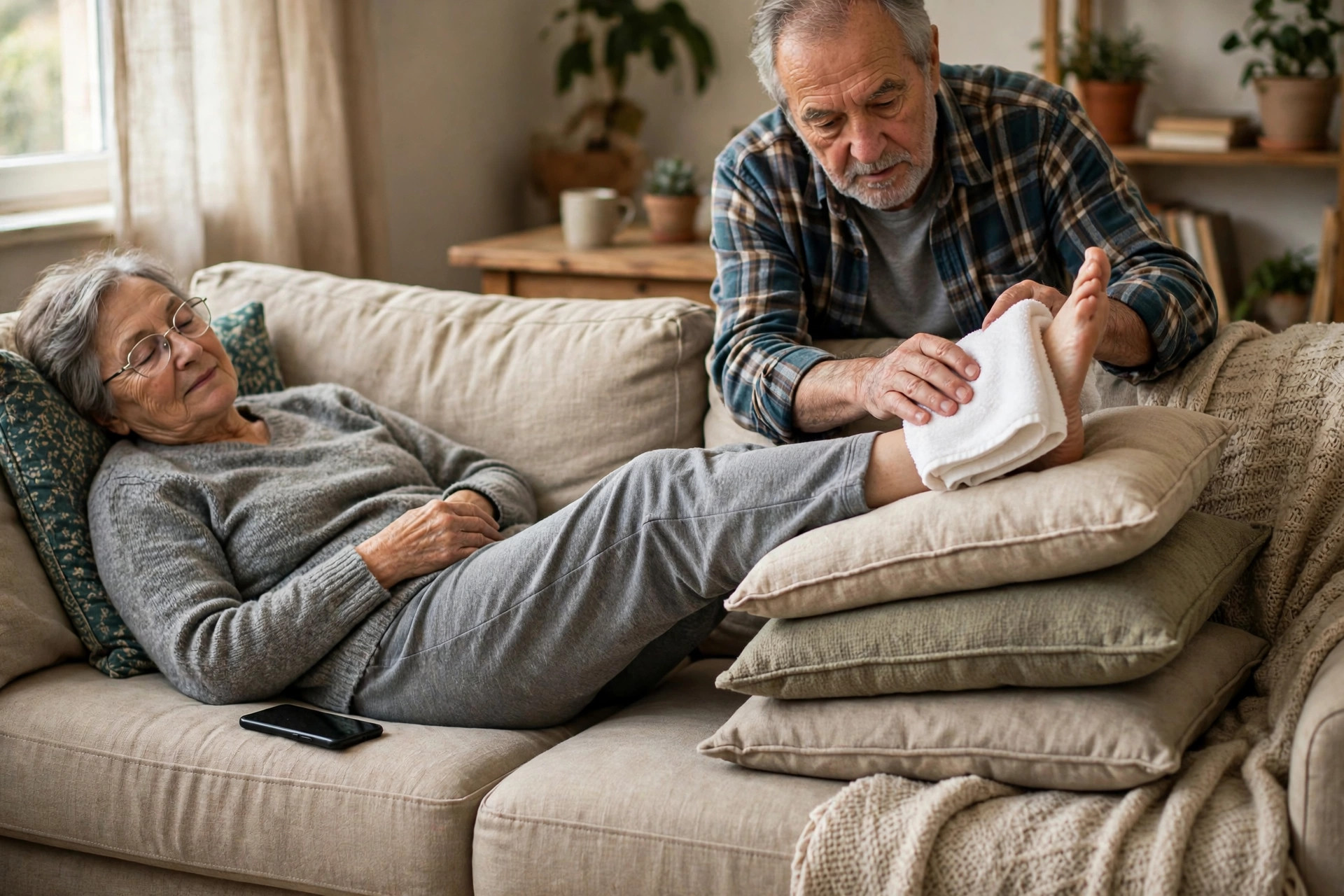
- Lie the person down and raise the leg well above the level of the heart — propped high on cushions or a chair. This drops the pressure in the vein dramatically.
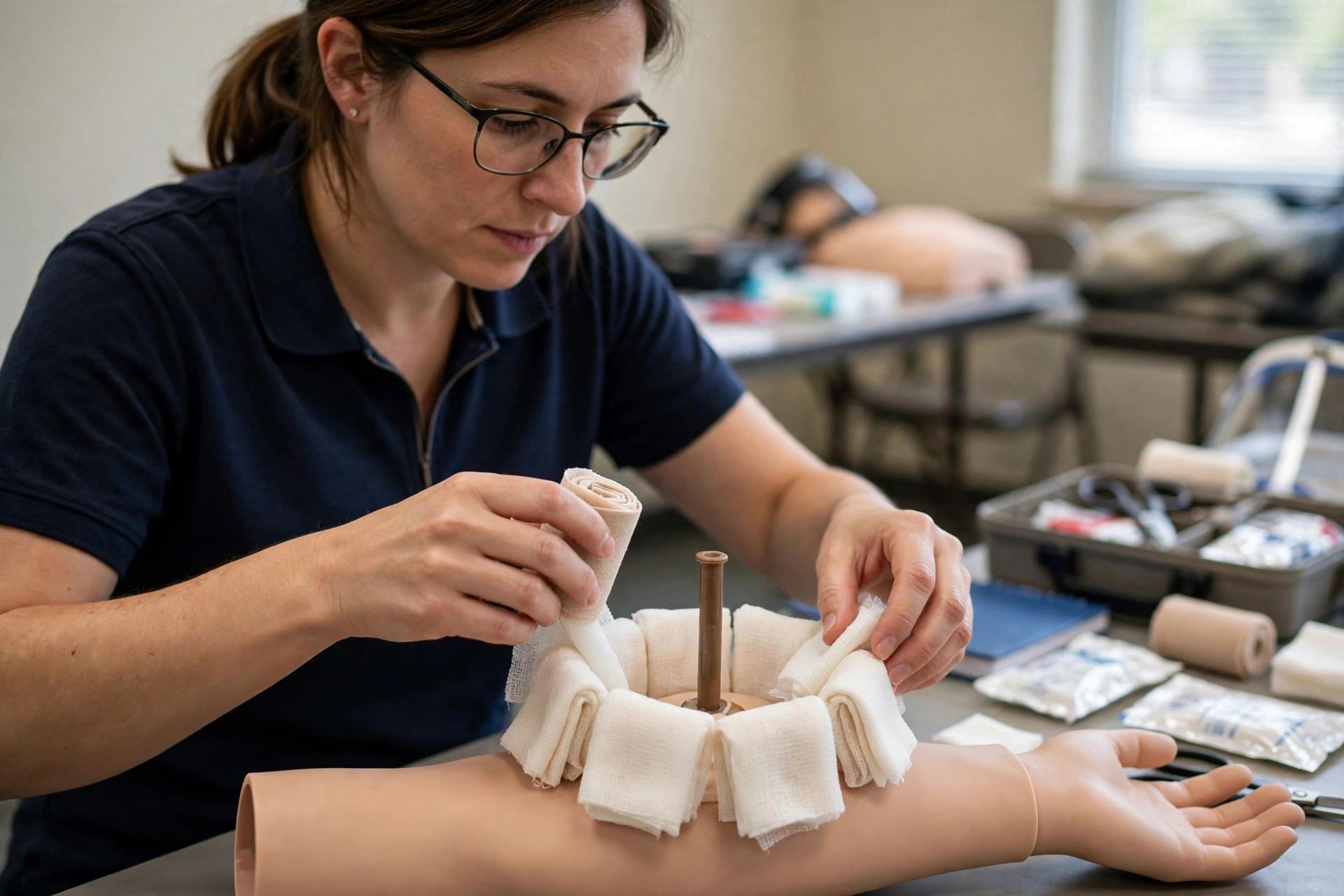
- Press firmly on the bleeding point with a clean cloth or dressing while the leg stays raised.
- Call 911 if bleeding is heavy, does not stop within about 10 minutes of pressure with the leg raised, or the person feels faint or unwell.
- Once bleeding stops, apply a firm bandage over the dressing, keep the leg raised, and arrange same-day medical assessment.
- Keep the person warm and lying down until help or assessment — standing up too soon restarts the bleeding.
What NOT to do
- Do not try to treat it standing up — gravity keeps the vein pressurised and bleeding continues.
- Do not apply a tourniquet.
- Do not dismiss it as minor if a lot of blood was lost — older people can become faint and shocked.
- Do not remove the dressing to check repeatedly; add another on top if blood soaks through.
When to get medical care
Emergency help for bleeding that does not stop with pressure and leg elevation, any faintness, paleness or confusion, or bleeding in someone on blood-thinning medication. All burst varicose veins need same-day medical assessment, and follow-up about vein treatment to prevent recurrence.
Related procedures & tests
Related symptoms
Frequently asked questions
Why does a small vein bleed so much?
In varicose veins the valves fail, so the full column of blood from the heart presses down into the ankle veins. The skin over them is often thin, so a small knock opens a high-pressure leak — which is also why raising the leg high stops it so effectively.
Can a burst varicose vein be life-threatening?
Yes, occasionally — particularly in older people living alone who cannot control it or who become faint and cannot call for help. It is treated as an emergency until bleeding is controlled and blood loss assessed.
In an emergency, call 911 (or your local emergency number) first — do not delay a call to read a guide. These pages are educational first-aid information in general terms; they are not a substitute for emergency services, first-aid training, or assessment by a qualified clinician.