- Physical Examination
- Surgical Examination
- Ophthalmology
- Clinical Skills
- Orthopedics
- Surgery Videos
- Laparoscopy
- Pediatrics
- Funny Videos
- Cardiothoracic Surgery
- Nursing Videos
- Plastic Surgery
- Otorhinolaryngology
- Histology and Histopathology
- Neurosurgery
- Dermatology
- Pediatric Surgery
- Urology
- Dentistry
- Oncology and Cancers
- Anatomy Videos
- Health and Fitness
- Radiology
- Anaesthesia
- Physical Therapy
- Pharmacology
- Interventional Radiology
- Cardiology
- Endocrinology
- Gynecology
- Emergency Medicine
- Psychiatry and Psychology
- Childbirth Videos
- General Medical Videos
- Nephrology
- Physiology
- Diet and Food Health
- Diabetes Mellitus
- Neurology
- Women Health
- Osteoporosis
- Gastroenterology
- Pulmonology
- Hematology
- Rheumatology
- Toxicology
- Nuclear Medicine
- Infectious Diseases
- Vascular Disease
- Reproductive Health
- Burns and Wound Healing
- Kidney Zone Podcast
- Other
Broken or Chipped Tooth — First Aid
What to do
- Rinse the mouth gently with warm water to clear blood and debris.
- Find any broken fragments if you can and keep them — store them in milk or saliva (as for a knocked-out tooth); dentists can sometimes bond a fragment back.
- If there is bleeding from the gum or socket, bite gently on a clean gauze pad or handkerchief for about 10 minutes.
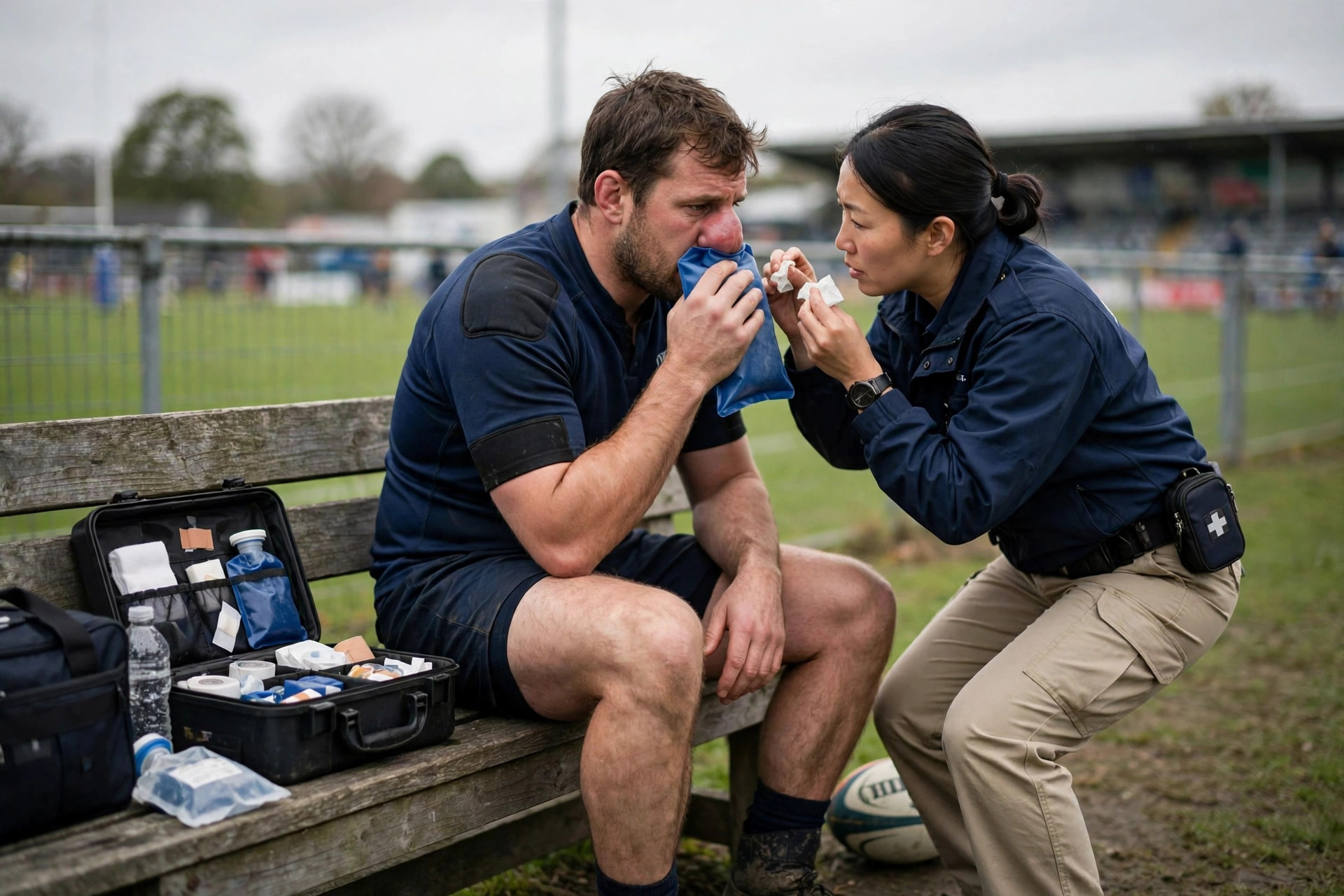
- Apply a cold pack to the cheek or lip over the injury to reduce swelling. Simple pain relief can be taken as directed on the packet.
- Cover a sharp edge that is cutting the tongue or cheek with sugar-free chewing gum or dental wax (from a pharmacy) until you are seen.
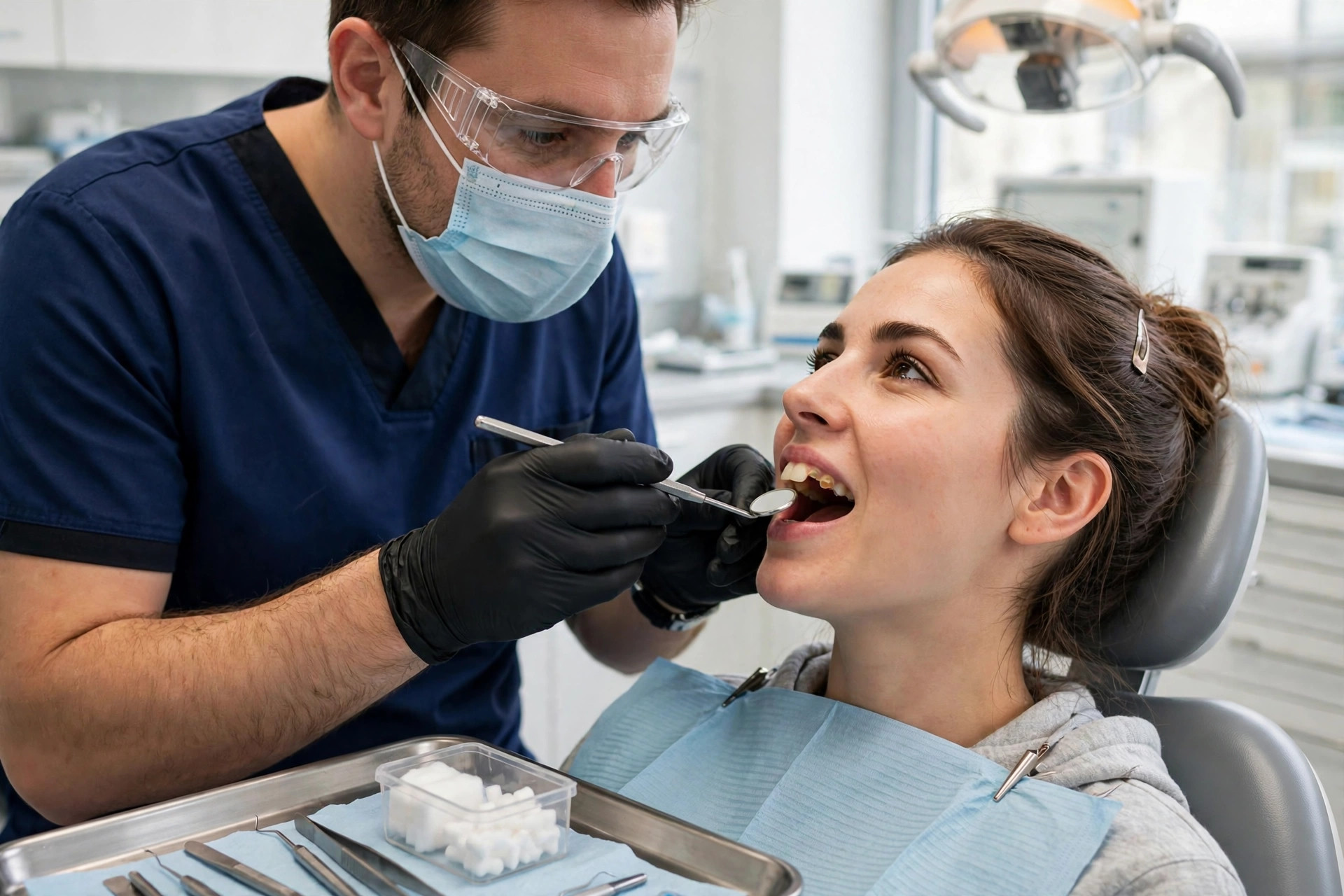
- Contact a dentist the same day — urgently if there is severe pain, the tooth is very loose or moved, you can see a pink/red spot in the broken surface (nerve exposed), or the face is swelling.
What NOT to do
- Do not ignore a broken tooth that does not hurt — cracks can let bacteria reach the nerve and cause abscesses later.
- Do not apply aspirin directly to the gum or tooth — it burns the tissue and does not help.
- Do not eat on the injured side or bite hard foods until assessed.
- Do not delay if swelling of the face or jaw develops — dental infections can spread.
When to get medical care
Urgent same-day dental care for nerve exposure (visible pink spot or severe pain), a tooth moved or loosened by injury, facial swelling, inability to close the mouth properly, or any broken tooth in a young child. Emergency care for swelling affecting swallowing or breathing, or fever with facial swelling.
Related symptoms
Frequently asked questions
Can a chipped tooth be repaired?
Usually yes — options range from smoothing a tiny chip, to bonding a fragment or tooth-coloured filling, to a crown or root-canal treatment if the nerve is involved. Early assessment gives the most conservative options.
Why keep the broken fragment in milk?
As with a whole knocked-out tooth, milk keeps the fragment's surface in good condition and dentists can sometimes reattach the exact fragment, giving the most natural repair.
In an emergency, call 911 (or your local emergency number) first — do not delay a call to read a guide. These pages are educational first-aid information in general terms; they are not a substitute for emergency services, first-aid training, or assessment by a qualified clinician.