- Physical Examination
- Surgical Examination
- Ophthalmology
- Clinical Skills
- Orthopedics
- Surgery Videos
- Laparoscopy
- Pediatrics
- Funny Videos
- Cardiothoracic Surgery
- Nursing Videos
- Plastic Surgery
- Otorhinolaryngology
- Histology and Histopathology
- Neurosurgery
- Dermatology
- Pediatric Surgery
- Urology
- Dentistry
- Oncology and Cancers
- Anatomy Videos
- Health and Fitness
- Radiology
- Anaesthesia
- Physical Therapy
- Pharmacology
- Interventional Radiology
- Cardiology
- Endocrinology
- Gynecology
- Emergency Medicine
- Psychiatry and Psychology
- Childbirth Videos
- General Medical Videos
- Nephrology
- Physiology
- Diet and Food Health
- Diabetes Mellitus
- Neurology
- Women Health
- Osteoporosis
- Gastroenterology
- Pulmonology
- Hematology
- Rheumatology
- Toxicology
- Nuclear Medicine
- Infectious Diseases
- Vascular Disease
- Reproductive Health
- Burns and Wound Healing
- Kidney Zone Podcast
- Other
Eye Injuries — First Aid
What to do
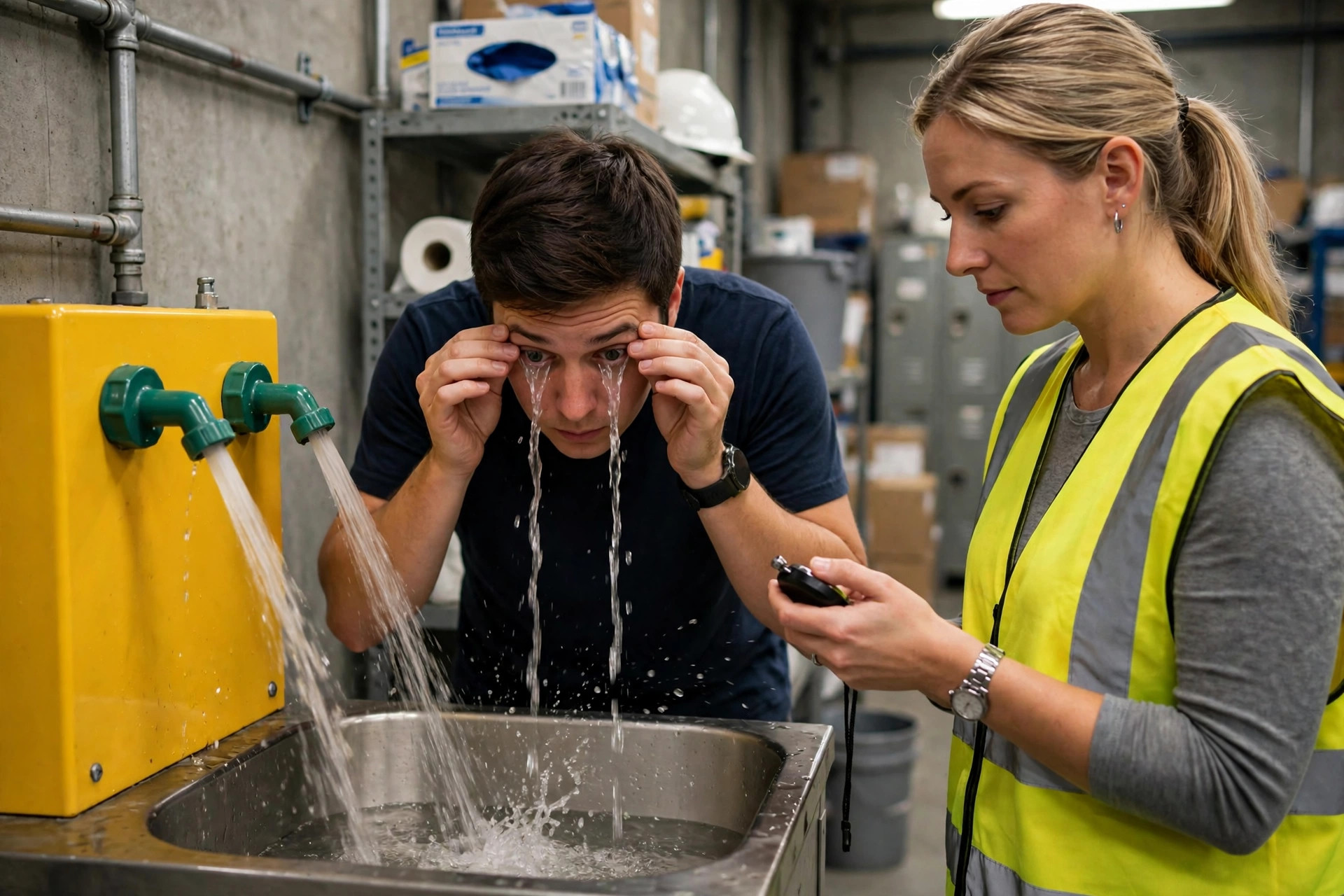
- For dust, grit or an eyelash: wash your hands, then try blinking and letting tears wash it out. You can rinse the eye with clean water or sterile saline, pouring from the inner corner outwards.
- If you can see a particle on the white of the eye or inside the lower lid, you may lift it off with the damp corner of a clean cloth. Never use tweezers or a dry cotton bud on the eye itself.
- Do not rub the eye — rubbing can scratch the cornea and embed particles.
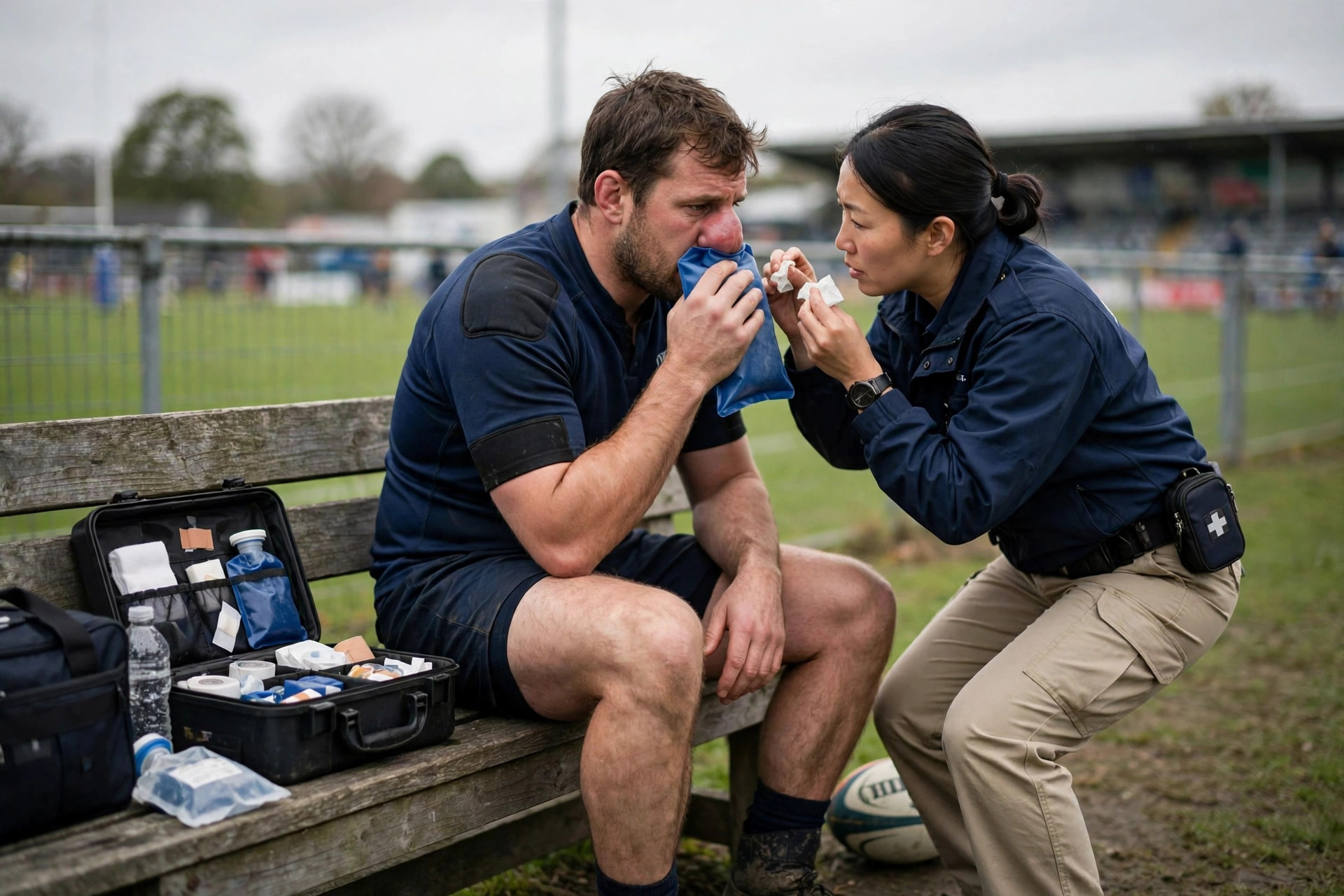
- For a blow to the eye (black eye): apply a cold compress gently for short periods, and check the person's vision. Seek urgent care for any change in vision, severe pain, blood visible in the eye, or inability to move the eye.
- For something embedded in the eye, or a cut to the eye or eyelid: do not remove it and do not press on the eye. Cover both eyes lightly with a clean pad (covering both stops the injured eye moving), and go to emergency care at once.
- If the person wears contact lenses and the eye is merely irritated, remove the lens before rinsing. Never remove a lens from a seriously injured eye.
What NOT to do
- Do not rub an injured or irritated eye.
- Do not try to remove an object embedded in the eyeball.
- Do not press on a cut or penetrated eye.
- Do not delay emergency care for vision changes, severe pain or a penetrating injury — sight can depend on speed.
When to get medical care
Go to emergency care immediately for: anything embedded in or penetrating the eye, cuts to the eyeball or eyelid, chemical splashes (after rinsing — see Chemicals in the Eye), reduced or double vision, blood inside the eye, severe pain, a pupil that looks irregular, or pain and light sensitivity that does not settle. Same-day assessment for a particle that will not wash out or a scratchy feeling that persists.
Related conditions
Related procedures & tests
Related symptoms
Frequently asked questions
How do I check if an eye injury is serious?
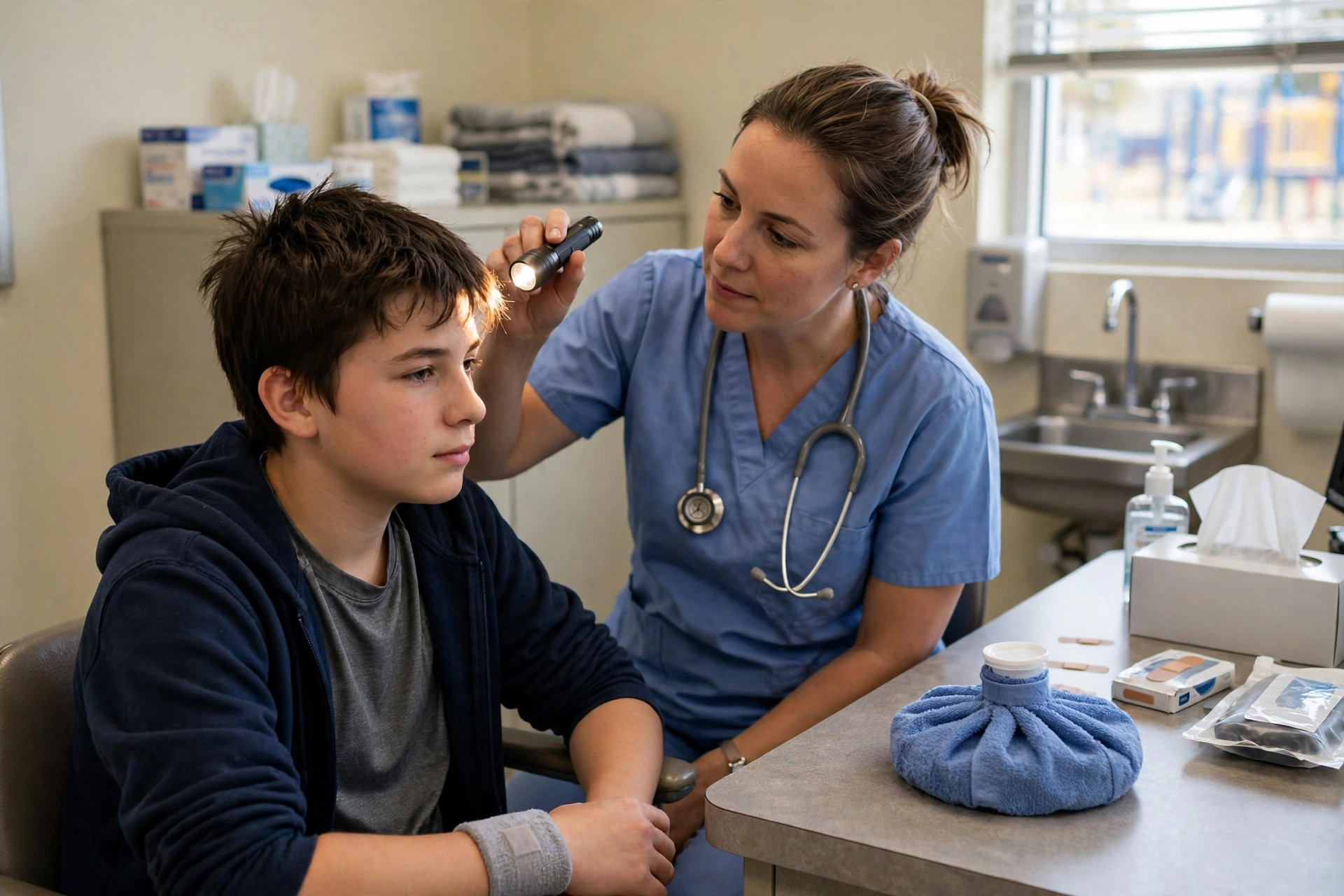
Warning signs are any change in vision, severe pain, inability to open or move the eye, visible blood, a distorted pupil, or an object stuck in the eye. Any of these means emergency assessment rather than home treatment.
Can a scratched cornea heal on its own?
Small corneal scratches usually heal within a day or two, but they need assessment if pain is significant, vision is affected, a contact lens was involved, or symptoms persist — clinicians check for embedded material and infection risk, and may prescribe drops.
In an emergency, call 911 (or your local emergency number) first — do not delay a call to read a guide. These pages are educational first-aid information in general terms; they are not a substitute for emergency services, first-aid training, or assessment by a qualified clinician.