- Physical Examination
- Surgical Examination
- Ophthalmology
- Clinical Skills
- Orthopedics
- Surgery Videos
- Laparoscopy
- Pediatrics
- Funny Videos
- Cardiothoracic Surgery
- Nursing Videos
- Plastic Surgery
- Otorhinolaryngology
- Histology and Histopathology
- Neurosurgery
- Dermatology
- Pediatric Surgery
- Urology
- Dentistry
- Oncology and Cancers
- Anatomy Videos
- Health and Fitness
- Radiology
- Anaesthesia
- Physical Therapy
- Pharmacology
- Interventional Radiology
- Cardiology
- Endocrinology
- Gynecology
- Emergency Medicine
- Psychiatry and Psychology
- Childbirth Videos
- General Medical Videos
- Nephrology
- Physiology
- Diet and Food Health
- Diabetes Mellitus
- Neurology
- Women Health
- Osteoporosis
- Gastroenterology
- Pulmonology
- Hematology
- Rheumatology
- Toxicology
- Nuclear Medicine
- Infectious Diseases
- Vascular Disease
- Reproductive Health
- Burns and Wound Healing
- Kidney Zone Podcast
- Other
Knocked-Out Tooth — First Aid

What to do
- Act within minutes — a permanent tooth reimplanted within about 30 to 60 minutes has the best chance of survival. Find the tooth and pick it up by the crown (the white chewing part), never by the root.
- If the tooth is dirty, rinse it briefly (a few seconds) under cold water or with milk. Do not scrub it, use soap, or wrap it in tissue — the root surface cells are needed for reattachment.
- If the person is a conscious adult or older child and the tooth is a permanent one, try to put it back: gently push it into the socket the right way round, then have them bite softly on a clean cloth to hold it.
- If you cannot reinsert it, keep it moist: inside the cheek (for an older child or adult who will not swallow it), or in a container of milk, or in the person's own saliva in a pot. Never store it in water and never let it dry out.
- Control any bleeding from the socket with pressure on a clean gauze pad.
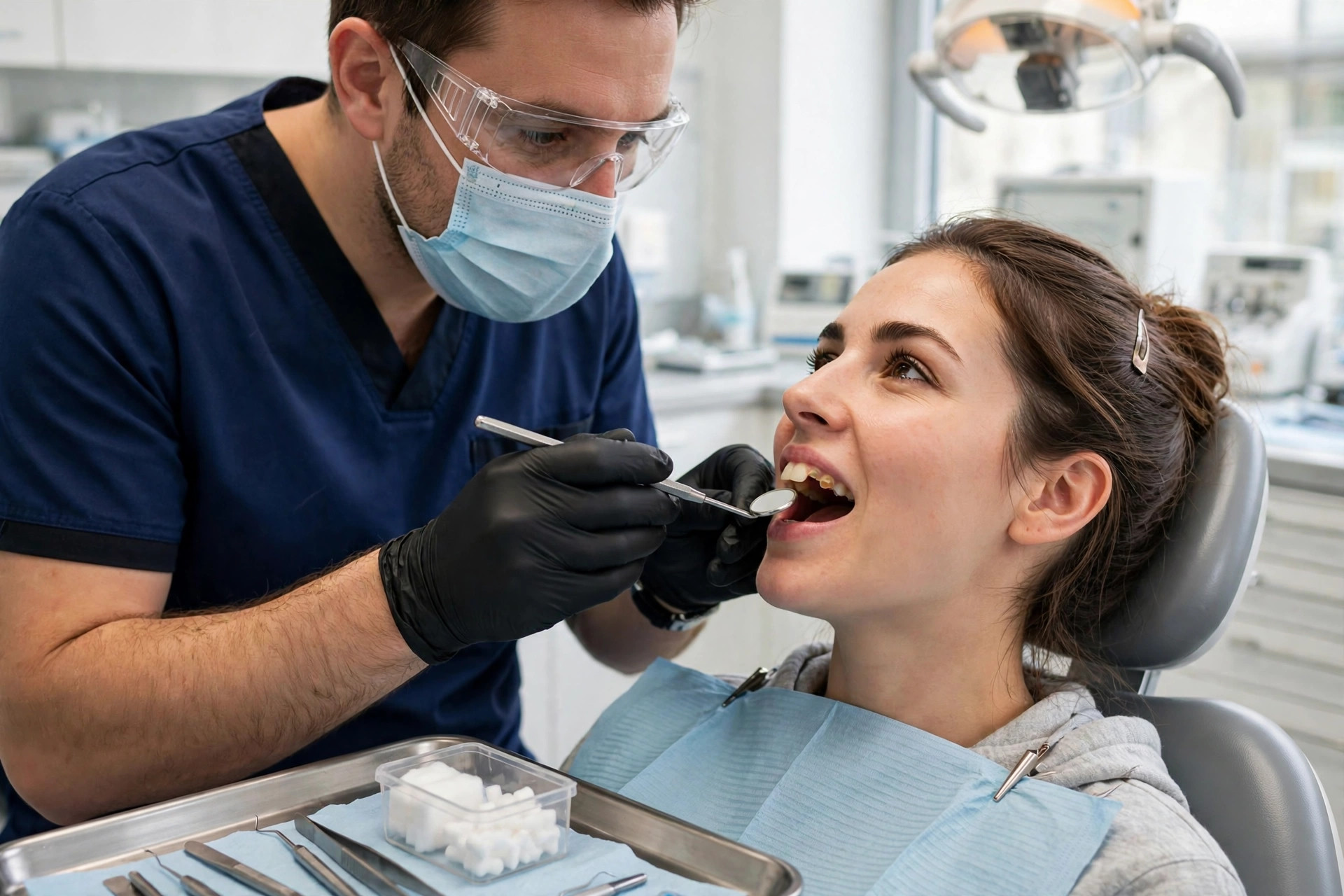
- Get to a dentist immediately — phone ahead and say a tooth has been knocked out. If no dentist is available, go to emergency care.
What NOT to do
- Do not touch or scrub the root of the tooth.
- Do not reinsert a baby (primary) tooth — it can damage the developing adult tooth underneath. Keep it and see a dentist for a check anyway.
- Do not store the tooth in water or wrapped dry in tissue.
- Do not delay — every minute dry reduces the chance of saving the tooth.
When to get medical care
This is a dental emergency: see a dentist within 30 to 60 minutes for a knocked-out permanent tooth. Also seek urgent dental care for teeth that are broken with the nerve exposed, pushed out of position, or very loose after an injury, and for any jaw injury with difficulty closing the mouth.
Related symptoms
Frequently asked questions
Why milk for storing a tooth?
Milk's composition keeps the delicate ligament cells on the root alive far better than water, which actually damages them. Inside the cheek is also good for adults and older children. Specialist tooth-storage kits exist, but milk is the widely available standard.
What if the tooth belongs to a young child?
Baby teeth should not be put back. Control bleeding with a gauze pad, keep the tooth to show the dentist, and arrange a prompt dental check to make sure the developing permanent tooth and the rest of the mouth are unharmed.
In an emergency, call 911 (or your local emergency number) first — do not delay a call to read a guide. These pages are educational first-aid information in general terms; they are not a substitute for emergency services, first-aid training, or assessment by a qualified clinician.