- Physical Examination
- Surgical Examination
- Ophthalmology
- Clinical Skills
- Orthopedics
- Surgery Videos
- Laparoscopy
- Pediatrics
- Funny Videos
- Cardiothoracic Surgery
- Nursing Videos
- Plastic Surgery
- Otorhinolaryngology
- Histology and Histopathology
- Neurosurgery
- Dermatology
- Pediatric Surgery
- Urology
- Dentistry
- Oncology and Cancers
- Anatomy Videos
- Health and Fitness
- Radiology
- Anaesthesia
- Physical Therapy
- Pharmacology
- Interventional Radiology
- Cardiology
- Endocrinology
- Gynecology
- Emergency Medicine
- Psychiatry and Psychology
- Childbirth Videos
- General Medical Videos
- Nephrology
- Physiology
- Diet and Food Health
- Diabetes Mellitus
- Neurology
- Women Health
- Osteoporosis
- Gastroenterology
- Pulmonology
- Hematology
- Rheumatology
- Toxicology
- Nuclear Medicine
- Infectious Diseases
- Vascular Disease
- Reproductive Health
- Burns and Wound Healing
- Kidney Zone Podcast
- Other
CPR for Children
What to do
- Check the scene is safe, then check for a response: shout the child's name and tap their shoulder.
- If there is no response, shout for help. Call 911 (or your local emergency number) on speakerphone if you are alone with a phone, or send a bystander to call and fetch an AED.
- Open the airway with a head tilt and chin lift and check for normal breathing for no more than 10 seconds.
- If the child is not breathing normally and you are trained, give 5 initial rescue breaths: seal your mouth over theirs, blow steadily for about a second, and watch the chest rise.
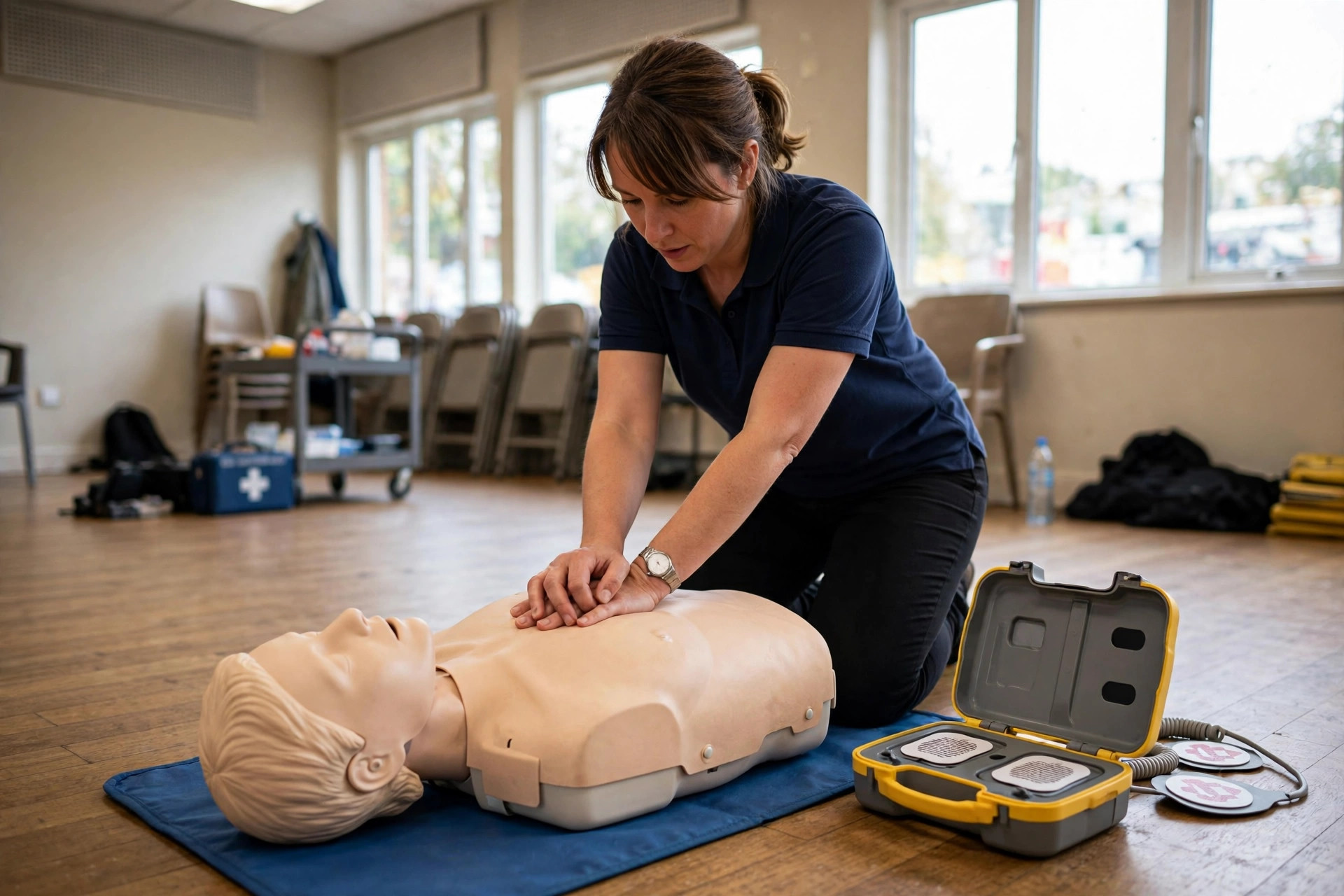
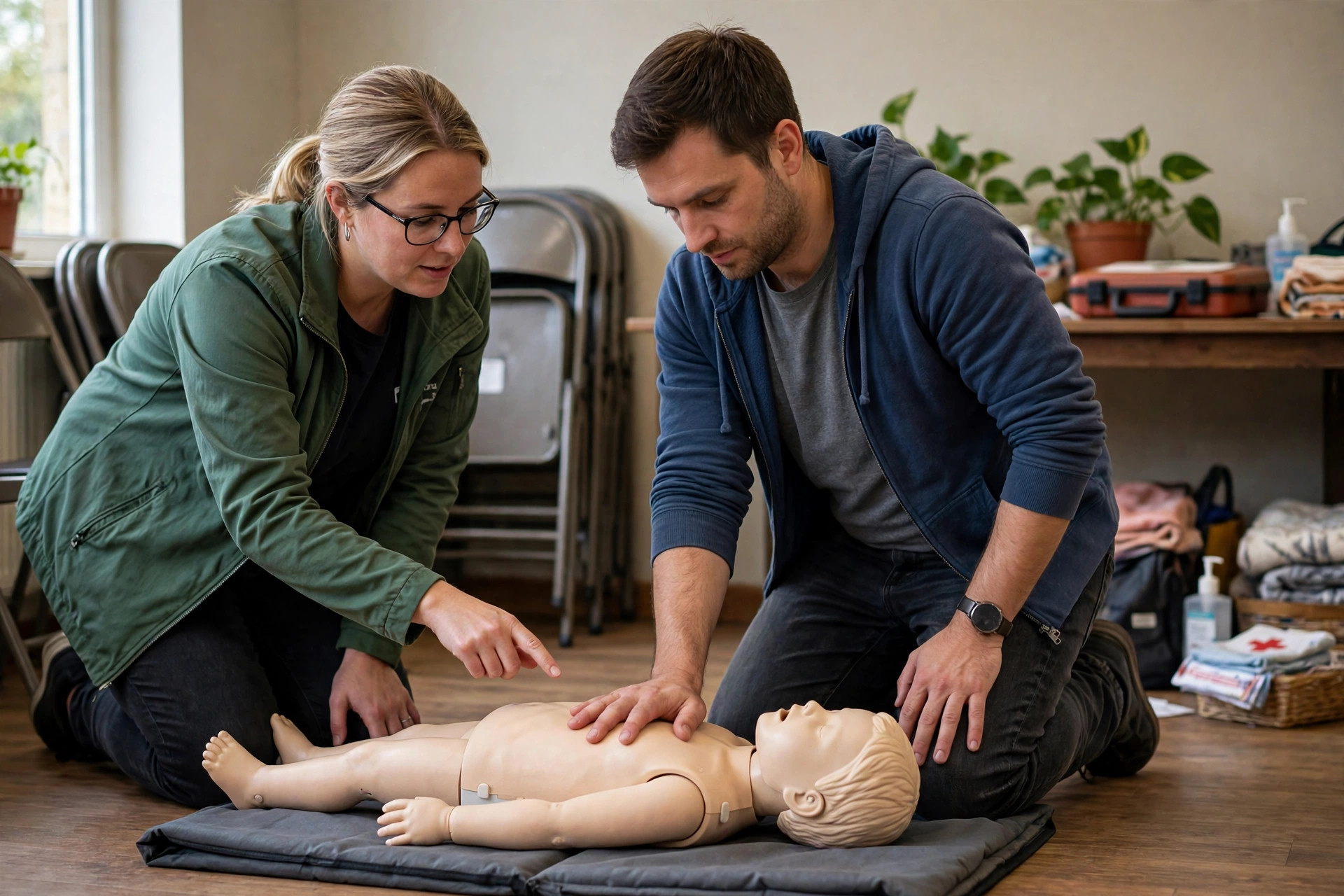
- Start chest compressions: use one or two hands in the centre of the chest and press down by about one third of the chest depth (about 2 inches / 5 cm), at 100 to 120 per minute.
- If trained, continue cycles of 30 compressions to 2 rescue breaths. If untrained or unwilling to give breaths, do continuous compressions.
- Keep going until help arrives and takes over, the child starts breathing normally, or you cannot continue. Use an AED as soon as one arrives — child pads if available, adult pads if not.
What NOT to do
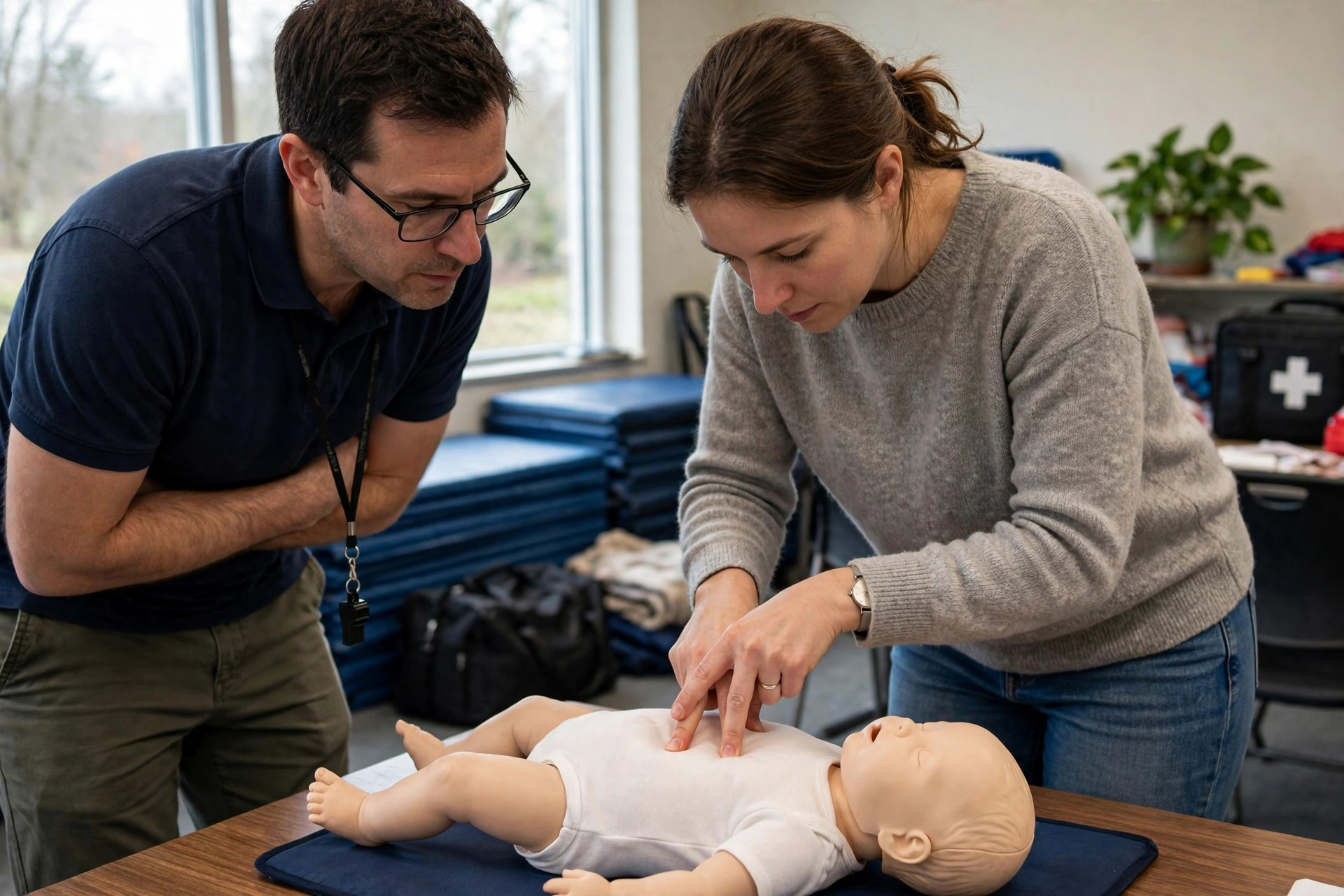
- Do not press with your fingertips on the stomach — compress the centre of the chest.
- Do not stop to look for a pulse; unresponsive and not breathing normally means start CPR.
- Do not leave the child to make the emergency call if you can use a phone on speaker while you start.
When to get medical care
Call 911 immediately for any unresponsive child who is not breathing normally. Every child who has received CPR needs urgent hospital assessment, even if they recover quickly, so the cause can be found and treated.
Related symptoms
Watch: related videos
Frequently asked questions
How is CPR for a child different from CPR for an adult?
The steps are the same, but rescuers who are trained give 5 rescue breaths first, because children's cardiac arrests are usually caused by breathing problems. Compressions use one or two hands, pressing about one third of the chest depth.
Can I use an AED on a child?
Yes. Use pediatric pads or a child setting if available for children under about 8 years. If only adult pads are available, use them — place one on the centre of the chest and one on the back if they would overlap.
In an emergency, call 911 (or your local emergency number) first — do not delay a call to read a guide. These pages are educational first-aid information in general terms; they are not a substitute for emergency services, first-aid training, or assessment by a qualified clinician.