- Physical Examination
- Surgical Examination
- Ophthalmology
- Clinical Skills
- Orthopedics
- Surgery Videos
- Laparoscopy
- Pediatrics
- Funny Videos
- Cardiothoracic Surgery
- Nursing Videos
- Plastic Surgery
- Otorhinolaryngology
- Histology and Histopathology
- Neurosurgery
- Dermatology
- Pediatric Surgery
- Urology
- Dentistry
- Oncology and Cancers
- Anatomy Videos
- Health and Fitness
- Radiology
- Anaesthesia
- Physical Therapy
- Pharmacology
- Interventional Radiology
- Cardiology
- Endocrinology
- Gynecology
- Emergency Medicine
- Psychiatry and Psychology
- Childbirth Videos
- General Medical Videos
- Nephrology
- Physiology
- Diet and Food Health
- Diabetes Mellitus
- Neurology
- Women Health
- Osteoporosis
- Gastroenterology
- Pulmonology
- Hematology
- Rheumatology
- Toxicology
- Nuclear Medicine
- Infectious Diseases
- Vascular Disease
- Reproductive Health
- Burns and Wound Healing
- Kidney Zone Podcast
- Other
Drowning — First Aid
What to do
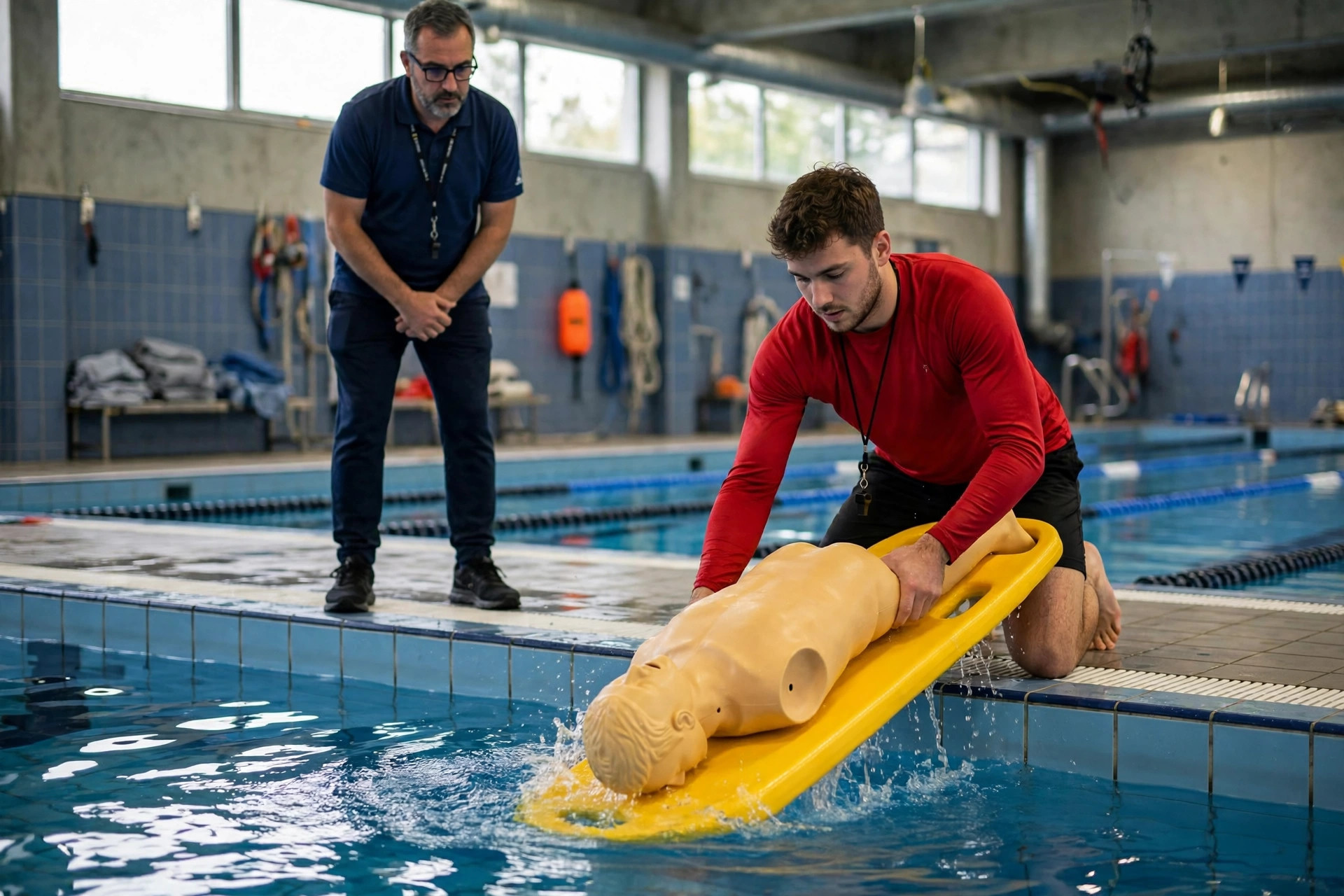
- Keep yourself safe: never enter dangerous water unless you are trained and it is safe. Throw a flotation aid or reach with a pole if you can, and call 911 immediately.
- Once the person is out of the water, check for a response and open the airway. Check breathing for up to 10 seconds.
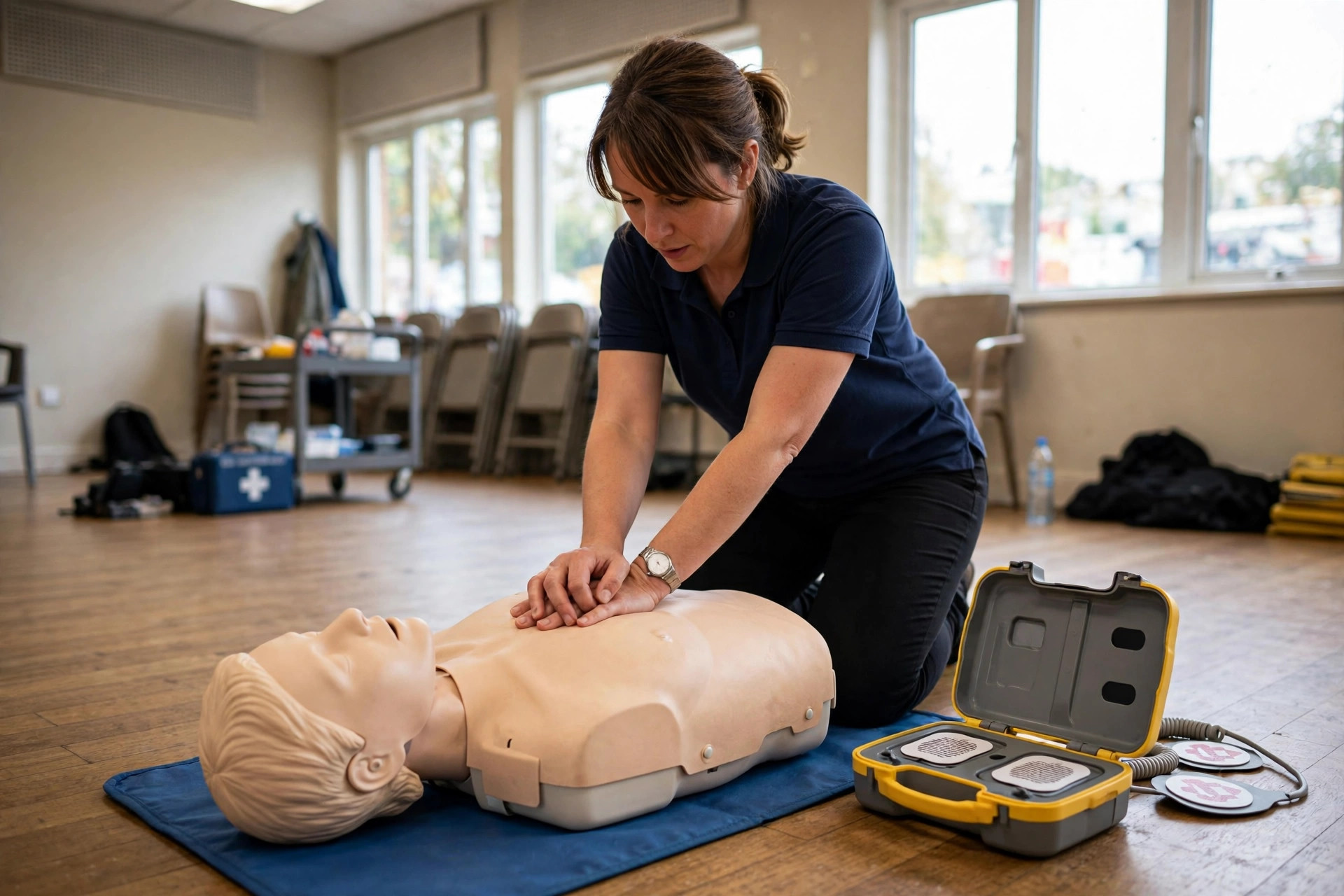
- If they are not breathing, start CPR. If you are trained, begin with 5 rescue breaths — breathing problems are the cause in drowning, so breaths matter. If untrained, do continuous chest compressions.
- Do not try to drain water from the lungs or press on the stomach — it wastes time and causes vomiting.
- If the person is breathing, place them in the recovery position, remove wet clothing and cover them with blankets or dry clothes to keep them warm.
- Keep monitoring breathing until the ambulance arrives, and be ready to restart CPR.
What NOT to do
- Do not put yourself in danger — a second casualty helps nobody.
- Do not waste time trying to empty water from the lungs.
- Do not assume someone who is coughing and talking after a submersion is out of danger — delayed breathing problems can develop over hours.
- Do not give food or drink.
When to get medical care
Call 911 for anyone pulled from the water who is unresponsive, not breathing normally, coughing persistently, breathless, frothing at the mouth, confused or very tired afterwards. Anyone who has been under the water and has any symptoms afterwards needs hospital assessment the same day, even if they seem to recover.
Related symptoms
Frequently asked questions
Why do rescue breaths matter in drowning?
Drowning stops the breathing first, so the blood runs out of oxygen before the heart stops. Trained rescuers give 5 initial rescue breaths, then CPR cycles. Untrained rescuers should still start chest compressions at once — some CPR is far better than none.
Can breathing problems appear hours after a drowning incident?
Yes. Water in the lungs can cause inflammation and worsening breathlessness over the following hours. That is why anyone with symptoms after being submerged — cough, breathlessness, unusual tiredness — should be assessed in hospital even if they initially feel better.
In an emergency, call 911 (or your local emergency number) first — do not delay a call to read a guide. These pages are educational first-aid information in general terms; they are not a substitute for emergency services, first-aid training, or assessment by a qualified clinician.