- Physical Examination
- Surgical Examination
- Ophthalmology
- Clinical Skills
- Orthopedics
- Surgery Videos
- Laparoscopy
- Pediatrics
- Funny Videos
- Cardiothoracic Surgery
- Nursing Videos
- Plastic Surgery
- Otorhinolaryngology
- Histology and Histopathology
- Neurosurgery
- Dermatology
- Pediatric Surgery
- Urology
- Dentistry
- Oncology and Cancers
- Anatomy Videos
- Health and Fitness
- Radiology
- Anaesthesia
- Physical Therapy
- Pharmacology
- Interventional Radiology
- Cardiology
- Endocrinology
- Gynecology
- Emergency Medicine
- Psychiatry and Psychology
- Childbirth Videos
- General Medical Videos
- Nephrology
- Physiology
- Diet and Food Health
- Diabetes Mellitus
- Neurology
- Women Health
- Osteoporosis
- Gastroenterology
- Pulmonology
- Hematology
- Rheumatology
- Toxicology
- Nuclear Medicine
- Infectious Diseases
- Vascular Disease
- Reproductive Health
- Burns and Wound Healing
- Kidney Zone Podcast
- Other
Choking in Children (Over 1 Year)
What to do
- If the child can cough effectively, speak or cry, encourage them to keep coughing and watch them closely — do not intervene.
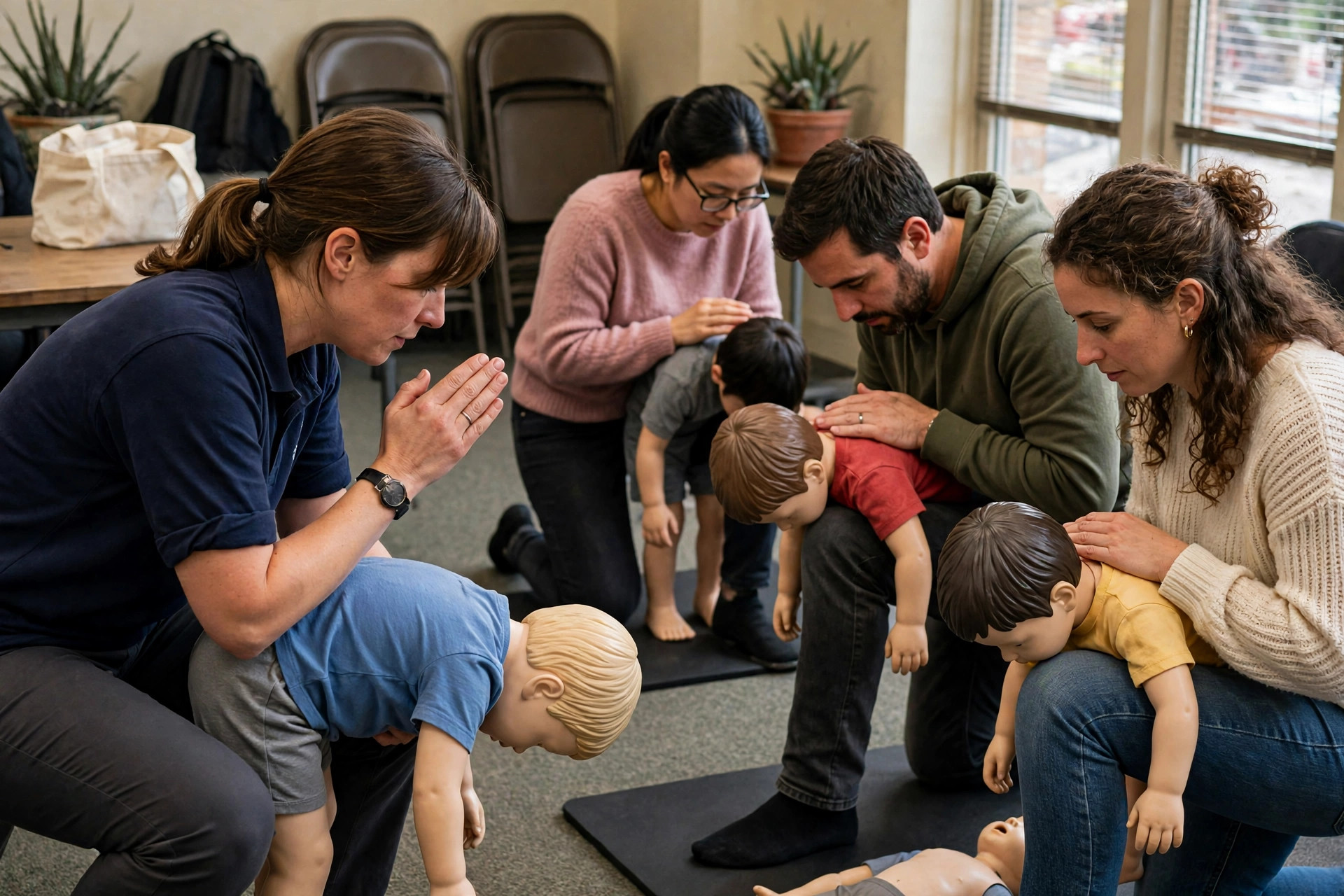
- If the cough becomes ineffective — the child is silent, struggling or cannot breathe — call 911 or shout for help and start back blows.
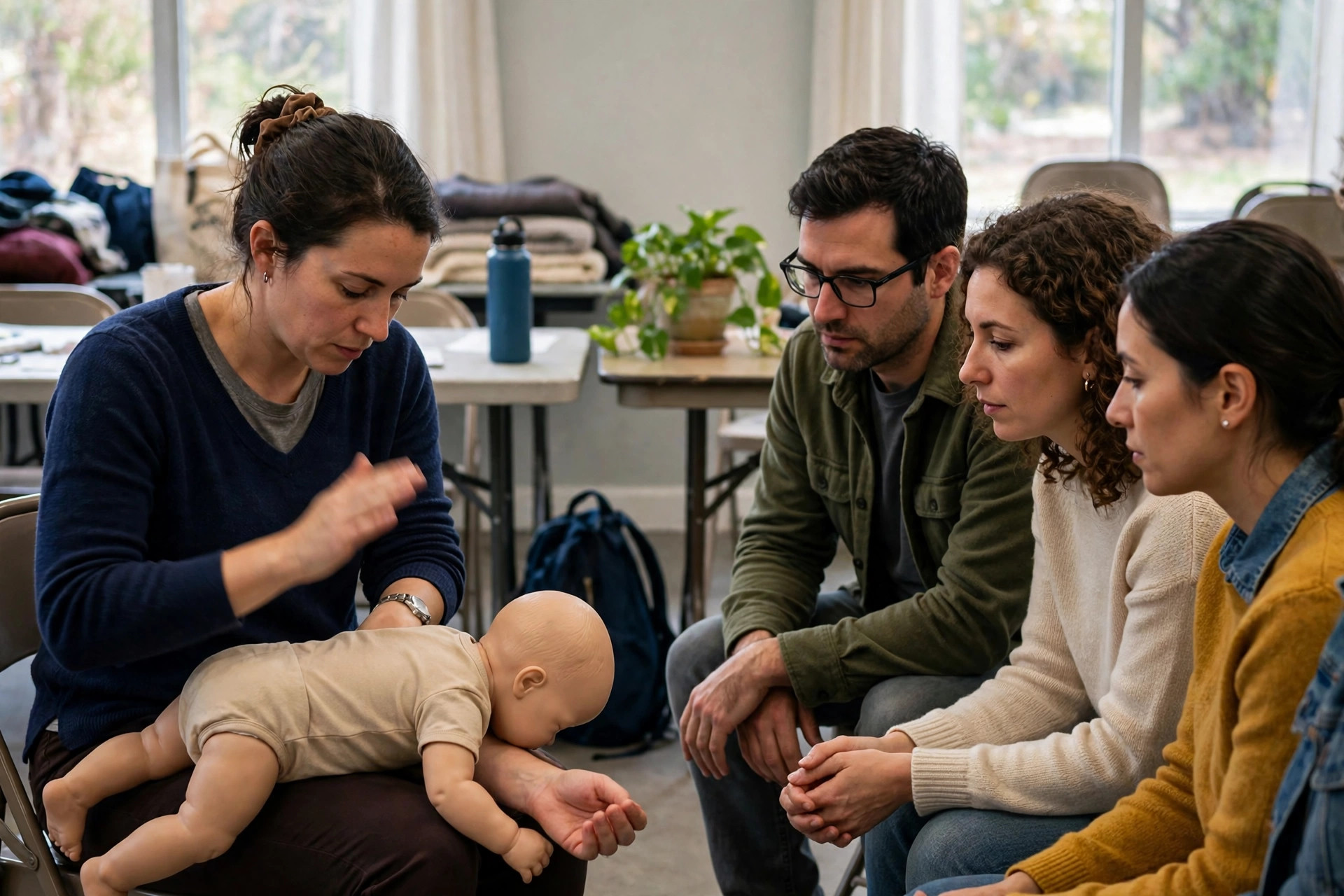
- Back blows: support the child leaning well forward (a small child can lie face-down along your forearm or thigh with the head low). Give up to 5 sharp blows between the shoulder blades with the heel of your hand, checking after each.
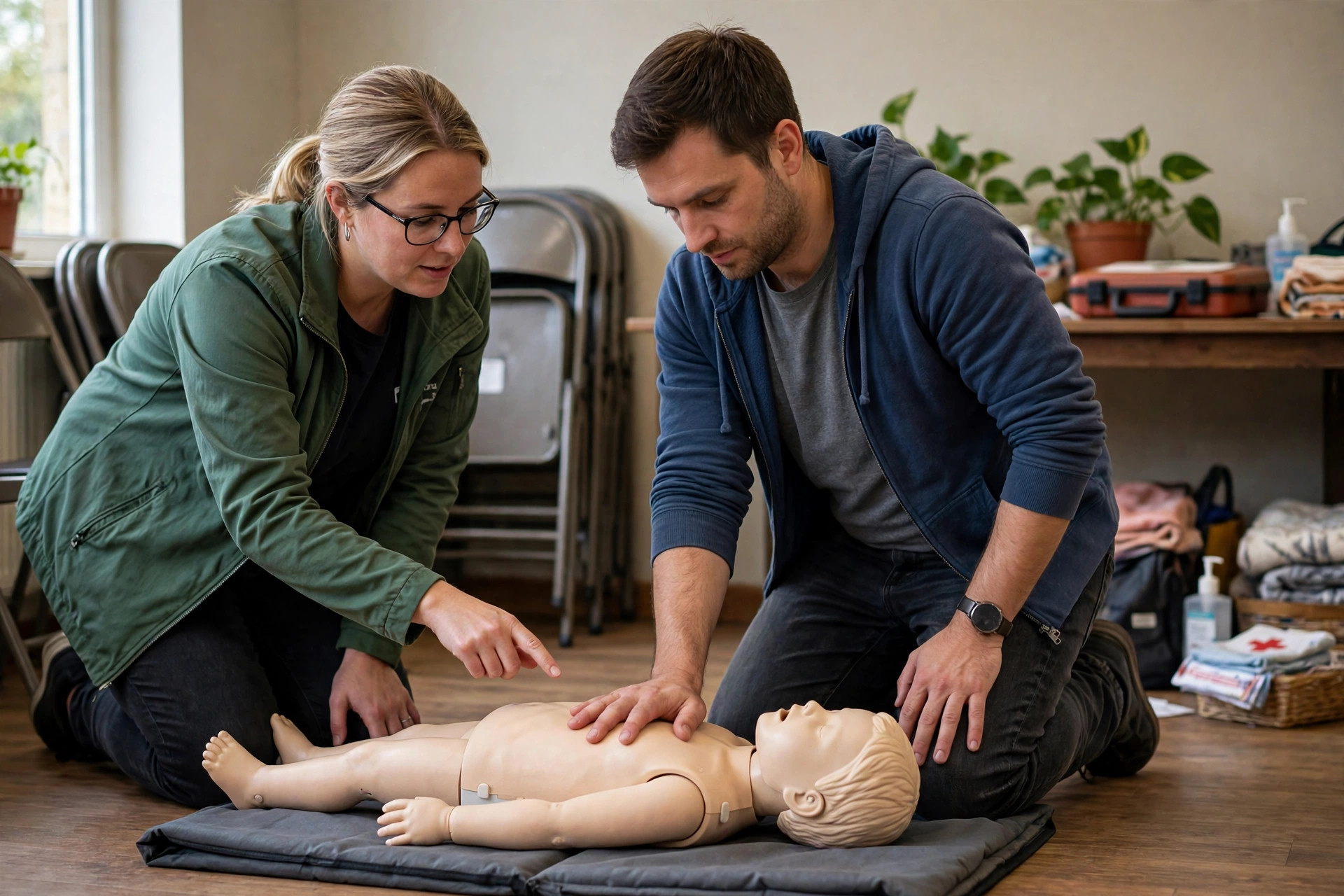
- If that fails, give up to 5 abdominal thrusts: stand or kneel behind the child, place a fist above the navel and pull sharply inwards and upwards, scaled to the child's size.
- Alternate 5 back blows and 5 abdominal thrusts, checking the mouth each cycle. Only remove an object you can clearly see.
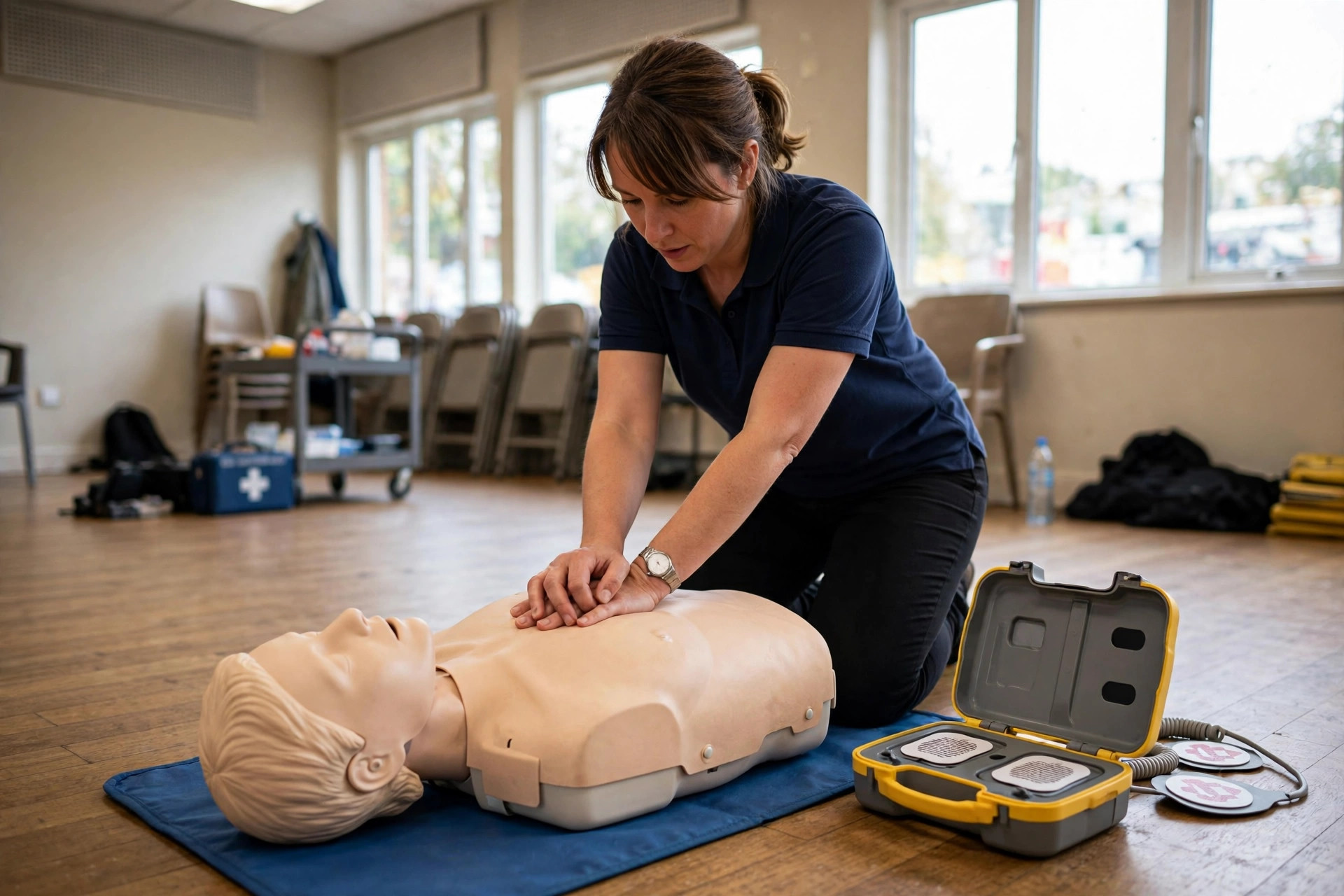
- If the child becomes unresponsive, place them on a firm surface, make sure 911 is called, and start child CPR.
What NOT to do
- Do not hang a child upside down or shake them.
- Do not sweep the mouth blindly with your fingers.
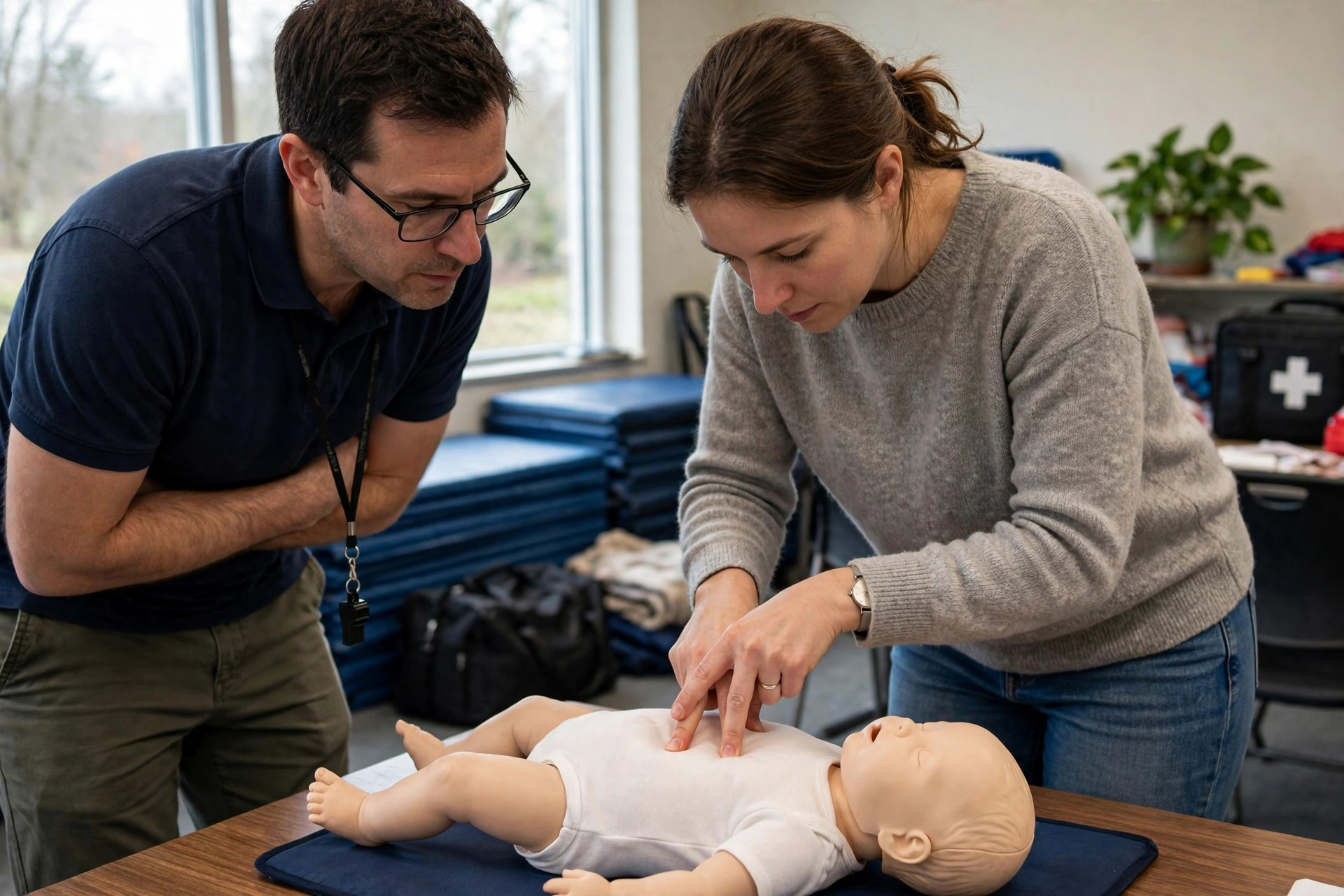
- Do not give abdominal thrusts to babies under 1 year — use back blows and chest thrusts instead (see Choking in Babies).
- Do not leave a coughing child alone to fetch help — take them with you or shout.
When to get medical care
Call 911 whenever a child's cough is ineffective, the blockage does not clear, or the child becomes unresponsive. After any abdominal thrusts, or if coughing, swallowing difficulty or wheeze continues, the child should be assessed in hospital the same day.
Related procedures & tests
Related symptoms
Watch: related videos
Frequently asked questions
What are the commonest things children choke on?
Food is the commonest cause — grapes, cherry tomatoes, hot-dog pieces, nuts and hard sweets are high risk. Cutting grapes and tomatoes lengthwise into quarters and supervising young children while they eat greatly reduces the risk.
My child cleared the blockage and seems fine. Do we still need a check-up?
If abdominal thrusts were used, yes — get the child checked the same day, because thrusts can occasionally cause internal injury. Also seek advice if coughing, noisy breathing or swallowing problems continue.
In an emergency, call 911 (or your local emergency number) first — do not delay a call to read a guide. These pages are educational first-aid information in general terms; they are not a substitute for emergency services, first-aid training, or assessment by a qualified clinician.